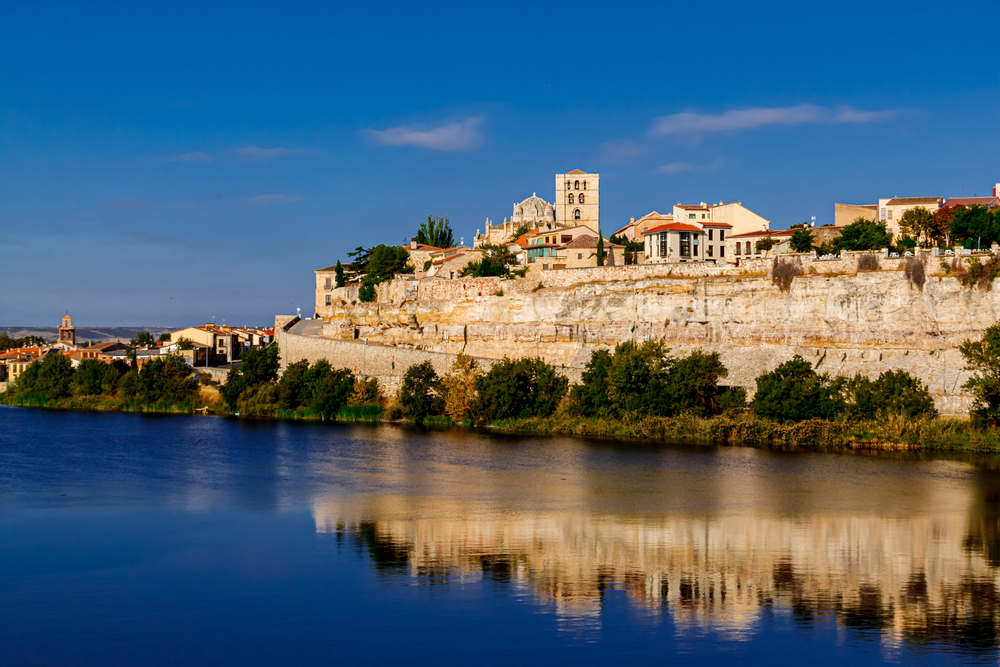
Zamora Spain is a historic city in north-western Spain, known for its rich Romanesque heritage and stunning architecture.
Located on the banks of the Duero River, it boasts a unique blend of ancient history and cultural traditions.
The city features numerous landmarks, including its impressive cathedral and medieval castle.
Zamora Spain is also famous for its vibrant festivals, especially during Holy Week, making it a culturally significant destination.
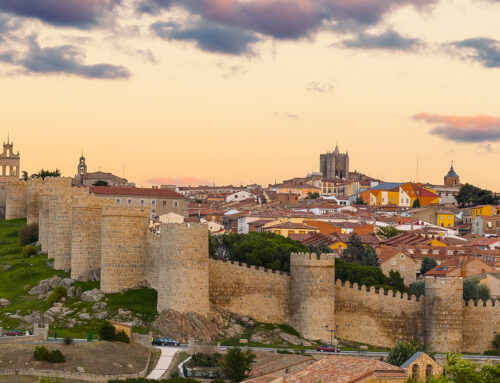
In the context of Castile and León, the city of Ávila Spain shares this historical legacy, standing out for its perfectly preserved medieval heritage.

Before we start… Yours Free
Please click / tap on the image below:

The Historical Legacy of Zamora Spain
Zamora’s historical legacy is a testament to its rich tapestry of cultural influences that span centuries.
It is located in the region: Castilla Leon Spain.
From ancient times through the Christian Reconquest, each era has left an indelible mark on the city.
Ancient Roots and Roman Influence
The origins of Zamora Spain trace back to the Bronze Age, but it was during the Roman occupation that the city began to flourish.
Known as Occelum Durii or Ocellodurum, it served as an essential waypoint between significant Roman settlements.
Archaeological findings reveal the presence of roads, fortifications, and urban infrastructure, highlighting its importance in the Roman province of Hispania Tarraconensis.
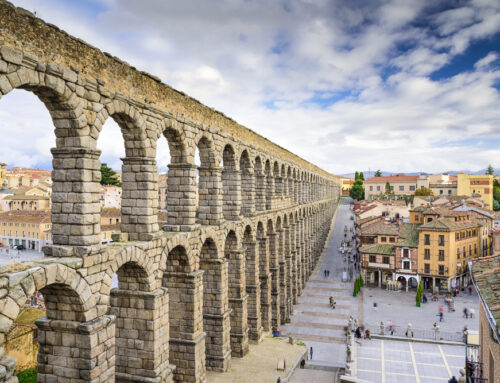
When you visit Segovia Spain, you will be able to the see the spectacular Roman Aqueduct.
The Visigothic Period
Following the fall of the Roman Empire, Zamora Spain entered a period of Visigothic influence, referred to as Semure.
This era was marked by the establishment of a distinctive Christian identity that would endure through subsequent centuries.
Middle Ages
Forces led by Alfonso I of Asturias aimed to reclaim territory.
Zamora played a crucial role in these campaigns, characterised by fortifications and strategic military importance.
The Assassination of Sancho II
One of the most pivotal events in Zamora’s history was the assassination of King Sancho II of Castile in 1072.
Attempting to take control of Zamora Spain from his sister Doña Urraca, he was betrayed by the local noble Bellido Dolfos.
This incident not only changed the political landscape but also left a lasting legacy of intrigue and conflict in the region.
Cultural Flourishing in the 10th Century
The 10th century witnessed a cultural renaissance in Zamora Spain, bolstered by the establishment of a diocese.
This period saw the construction of various ecclesiastical structures, contributing to the city’s reputation as a centre of learning and religious activity.
Artistic expression thrived, resulting in an impressive collection of Romanesque churches that would become key landmarks in the historical architecture of Zamora Spain.
Architectural Wonders
Zamora is home to an extraordinary array of architectural masterpieces, reflecting its rich history and cultural significance.
Among its most notable features are the Romanesque churches and the medieval castle that highlight the city’s historical importance.
Similarly, the city of Palencia Spain also preserves a remarkable architectural heritage, with temples and historic buildings that reflect its medieval past.
Romanesque Churches of Zamora
The landscape of Zamora Spain is dominated by its remarkable collection of Romanesque churches, boasting a total of 24 structures that date back primarily to the 12th and 13th centuries.
This architectural style is emblematic of the city, sometimes referred to as a ‘museum of Romanesque art.’
The Cathedral of Zamora and Its Unique Dome
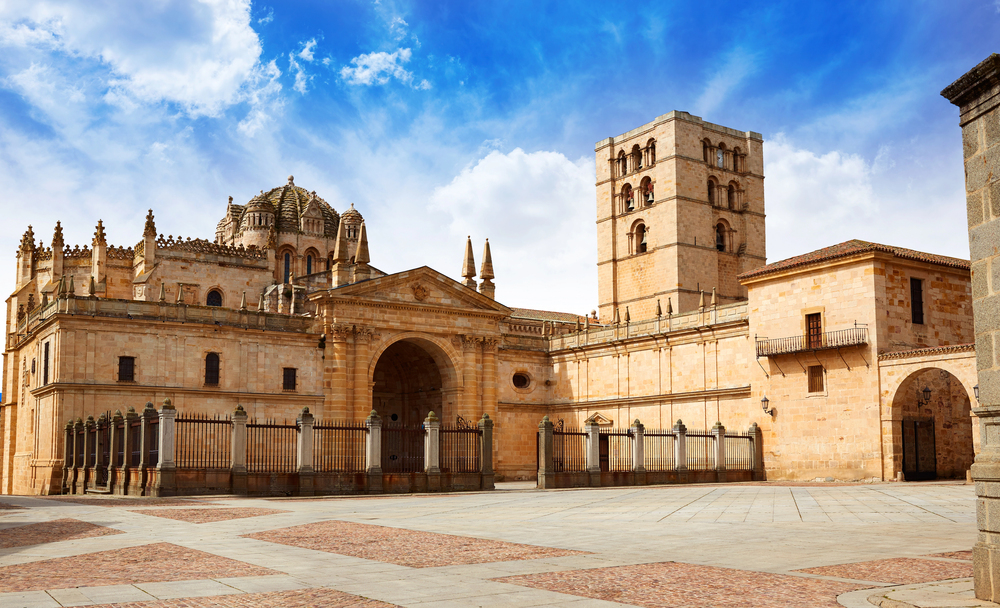
The Cathedral of Zamora, a stunning example of Romanesque architecture, is particularly renowned for its magnificent dome.
Built in the 12th century, the cathedral showcases a harmonious blend of architectural styles, including elements of Byzantine and Gothic design.
The dome is an achievement of medieval engineering, with its circular form adorned with intricate frescoes and decorative motifs.
The interior houses several chapels, valuable artworks, and a serene atmosphere that attracts visitors seeking both spiritual and aesthetic inspiration.
Notable Churches: San Claudio and San Ildefonso
Among the other significant churches in Zamora Spain are San Claudio de Olivares and San Ildefonso.
San Claudio stands out for its well-preserved facade and remarkable round arches, which epitomise the essence of Romanesque simplicity and elegance. Inside, visitors can admire its ancient altar and beautifully executed carvings.
San Ildefonso, on the other hand, is celebrated for its ornate details and stunning altarpiece, making it a vital part of Zamora’s sacred heritage.
Each of these churches contributes to the city’s unique character and attracts historians and architecture enthusiasts alike.
Zamora’s Medieval Castle and City Walls
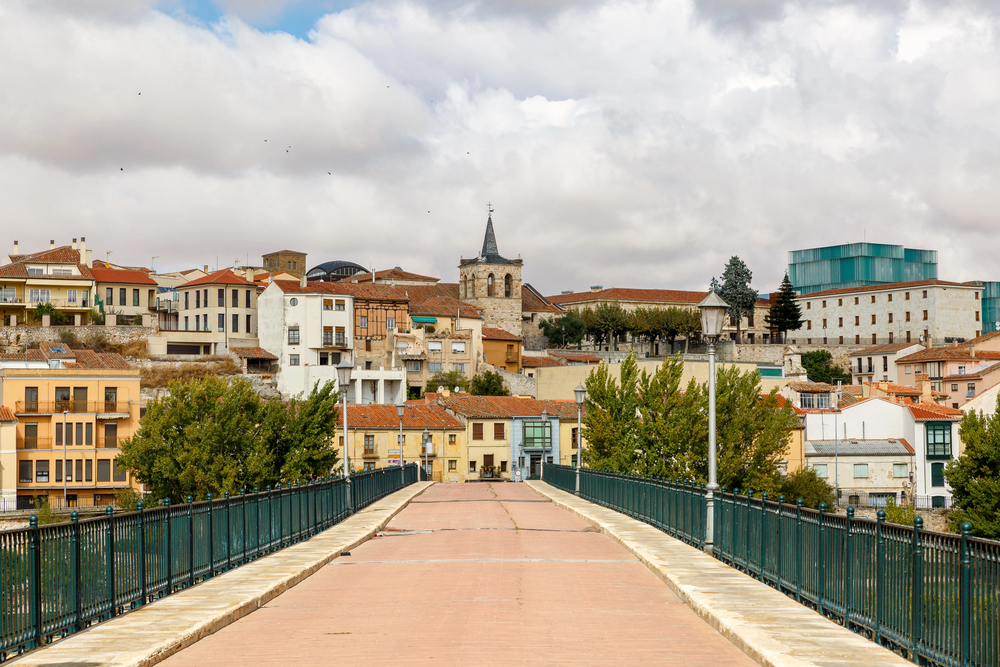
The medieval castle of Zamora, with origins tracing back to the Muslim period, represents a crucial aspect of the city’s defensive architecture.
Its strategic location offers visitors breathtaking views over the surrounding landscape and the Duero River.
The castle has witnessed many significant historical events and stands as a formidable reminder of Zamora’s past.
The city walls, surrounding the castle, encapsulate a rich history of military architecture, showcasing various construction techniques over the centuries.
Walking along the remnants of these fortifications provides a sense of the medieval atmosphere that once enveloped the city.
These architectural wonders are not only historical monuments but also popular attractions for those keen to experience the charm and grandeur of Zamora’s heritage.
Cultural Vibrancy and Traditions
The cultural vibrancy of Zamora Spain is vividly expressed through its rich traditions and celebrations.
The city’s festivals reflect a deeply rooted heritage that attracts both locals and visitors alike.
The Significance of Holy Week in Zamora
Holy Week in Zamora Spain is a profound event that captivates the hearts of many.
Recognised as one of the most important in Spain, it has been declared a Festival of International Tourist Interest.
Throughout this week, solemn processions fill the streets, combining deep religious significance with artistic expression.
Participants dressed in traditional robes carry ornate pasos, which are religious statues, through the historic cobbled streets.
The atmosphere is charged with devotion and reflection as the haunting melodies of procession music accompany the participants.
Each brotherhood has its own unique style and traditions, showcasing the city’s commitment to preserving its cultural heritage.
The notable silence during the processions heightens the emotional experience for all involved.
Festivals and Traditional Celebrations
In addition to Holy Week, Zamora Spain hosts various festivals that celebrate its history and cultural identity.
The vibrant San Pedro festival, celebrated in late April, includes parades, music, and traditional dances that demonstrate the city’s lively spirit.
Exhibitions of traditional crafts and local products create a festive atmosphere that engages the community.
- Las Fallas: A celebration in March featuring the burning of large effigies, showcasing the city’s artistic flair.
- La Semana Cultural: An event promoting local arts, crafts, and music, where artisans display their work.
Gastronomy: A Taste of Zamora
The culinary landscape of Zamora Spain is equally vibrant, reflecting the region’s agricultural richness.
Local gastronomy showcases traditional dishes that are steeped in history and flavour.
Visitors can indulge in dishes that highlight the best of Zamoran produce.
Local Delicacies and Dishes
- Bacalao a la Tranca: A traditional cod dish, seasoned with local spices and olive oil.
- Ternera de Aliste: Renowned beef that is recognised for its quality and exquisite taste.
- Queso Zamorano: A cheese made from sheep’s milk, celebrated for its distinctive flavour and artisanal production.
Wines of Toro
The nearby Toro region is famous for its robust red wines, which have garnered acclaim both nationally and internationally.
The unique climate and soil conditions contribute to the distinct characteristics of these wines, making them a perfect accompaniment to the region’s rich dishes.
Wine festivals often take place, offering tastings and wine tours that provide insight into the local viticulture.
The passionate winemakers uphold traditional methods while integrating modern techniques to enhance their offerings.
Yours Free
Please click / tap on the image below:
Exploring Modern Zamora
Modern Zamora offers a blend of historical charm and contemporary conveniences.
The city has adapted to present-day challenges while preserving its cultural heritage and scenic beauty.
Visitors will find a variety of options for accommodation and seamless connectivity to explore its treasures.
In the region, Valladolid Spain also reflects this evolution, combining its historical legacy with modern urban life and well-developed services.
Accommodation Options: Parador and Hotels
Zamora provides diverse lodging choices to suit various preferences and budgets.
The Parador de Zamora, set in a refurbished medieval castle, offers a unique experience with stunning views and modern amenities.
Its historical significance enhances the allure for those seeking to immerse themselves in the city’s rich past.
Connectivity: Zamora Railway Station and Transport Links
Accessibility is a vital aspect of modern Zamora.
Only 1.5 hours away driving, you will find Leon Spain.
A bit further, 3.5 hours away driving, you can get to Soria Spain.
Frequent train services ensure ease of travel for both locals and visitors.
Other transport connections include:
- Regular bus services to nearby municipalities and cities, facilitating regional travel.
- Well-maintained roads that connect to the national network, making driving to and from Zamora convenient.
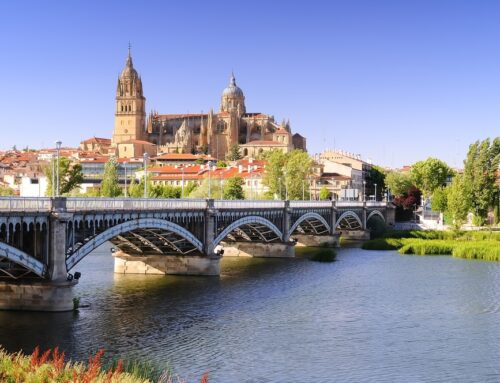
The city’s railway station serves as a significant transport hub, connecting Zamora Spain to major cities across Spain, including Madrid and Salamanca Spain.
This comprehensive transport system helps maintain Zamora’s relevance in the broader context of Spanish tourism and commerce.
Overcoming Challenges: Addressing Depopulation
Like many inland cities in Spain, Zamora faces the challenge of depopulation.
Various initiatives are being implemented to counteract this trend, focusing on revitalising the local economy and encouraging younger generations to settle in the area.
Efforts include:
- Promoting local industries and supporting small businesses to create job opportunities.
- Investing in educational programmes and cultural events to attract families.
- Enhancing cultural tourism by emphasising the city’s rich historical offerings.
With these strategic measures, Zamora aims to revitalise its population while maintaining its unique heritage and cultural identity.
Climate and Natural Surroundings
The climate and natural beauty of Zamora Spain create an inviting atmosphere for both residents and visitors.
With a semi-arid cold climate, the region showcases distinct seasonal variations that enhance the charm of this historic city.
Weather Patterns in Zamora: By Season
Zamora experiences four main seasons, each contributing its unique characteristics to the local environment.
-
Spring
Spring is a delightful time in Zamora Spain, typically marked by mild temperatures ranging from 10°C to 20°C.
The city begins to bloom, with various flowers and greenery coming to life. Rainfall is moderate, making it a vibrant season for outdoor activities and exploration.
-
Summer
Summers in Zamora are generally warm to hot, with average temperatures between 25°C and 35°C. The long, sunny days are perfect for enjoying the scenic riverside and historical sites.
However, visitors should be prepared for the possibility of heatwaves, with occasional peaks exceeding 35°C.
-
Autumn
Autumn brings cooler temperatures ranging from 15°C to 25°C.
The changing leaves present a picturesque landscape, making it a beautiful time for hiking and enjoying the surroundings.
Rainfall begins to increase, particularly in late autumn, refreshing the local flora.
-
Winter
Winters can be quite chilly, with temperatures often falling between 0°C and 10°C.
Frost is common, especially during the night.
Although snow is rare, the city takes on a serene beauty during this season, and the colder atmosphere fosters a unique sense of tranquillity.
The Natural Beauty of the Duero River and Surroundings
The Duero River significantly shapes the natural landscape of Zamora Spain, providing both beauty and recreational opportunities.
As one of the major rivers in the Iberian Peninsula, it offers stunning views and a variety of activities.
-
Scenic Views
The banks of the Duero offer breathtaking vistas, especially at sunrise and sunset.
The contrasting shades of the river’s waters against the backdrop of the city create a picturesque setting that captivates photographers and nature lovers alike.
-
Recreational Activities
The river serves as a hub for multiple outdoor pursuits.
Activities such as kayaking, fishing, and riverside walking trails allow visitors to fully embrace the natural surroundings.
The diverse flora and fauna along the riverbanks provide an opportunity for wildlife observation.
-
Surrounding Nature
In addition to the river, the area surrounding Zamora Spain is characterized by rolling hills, vineyards, and olive groves.
The fertile land supports agriculture, contributing to the region’s gastronomy.
Nature enthusiasts will discover numerous paths for hiking, providing a chance to immerse themselves in the tranquil environment.
Yours Free
Please click / tap on the image below:
If you would like to read about other important points for living / moving to Spain, here are other useful articles we wrote: