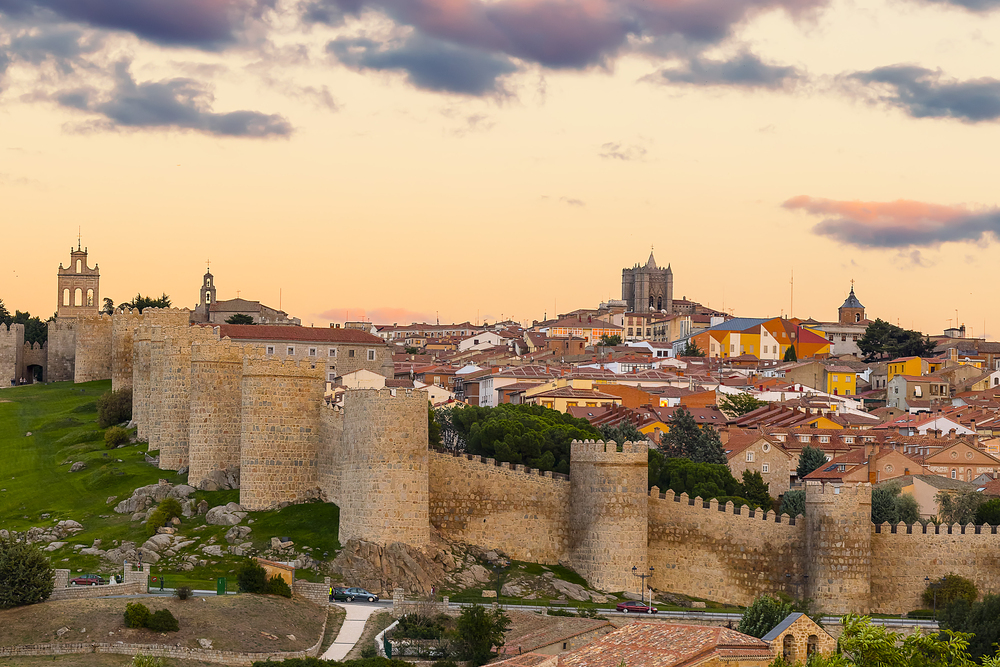
Avila Spain is a historic city in Spain, known for its well-preserved medieval architecture and stunning city walls.
Located in the region of Castilla Leon Spain, it boasts a rich cultural heritage that reflects its long and varied history.
The city’s origins date back to Roman times and include significant influences from the Visigoths and Muslims.
Ávila has been a key site for various historical events, making it a fascinating destination for those interested in Spain’s past.

Before we start… Yours Free
Please click / tap on the image below:

Discovering Avila Spain: A Historical Overview
Ávila’s history is a captivating tapestry woven from various cultural threads.
Its rich past is marked by significant events and influences that have shaped the city into what it is today.
Roman Beginnings and Visigothic Influence
The origins of Ávila can be traced back to its Roman foundations.
Initially established as a military outpost to protect the Roman Empire from local tribes, the city was known as Abila.
The Roman grid layout and remnants of structures indicate its strategic importance.
After the fall of the Roman Empire, Avila Spain became part of the Visigothic kingdom.
This era saw the construction of various ecclesiastical buildings, highlighting the early development of religious architecture.
Ávila in the Middle Ages
Avila prospered under the patronage of the Catholic Monarchs and became a crucial hub for religious scholarship.
The city was home to a vibrant Jewish community, which contributed to its cultural and economic life until the expulsion in 1492.
During the later Middle Ages, Ávila became synonymous with spirituality and education, particularly through the influence of figures such as Saint Teresa of Avila Spain, who founded the Carmelite Order, as did Valladolid Spain, a city closely linked to the monarchical and university history of Spain.
Exploring the Iconic City Walls
The city walls of Ávila are not only a stunning feat of medieval engineering but also a testament to the city’s rich history.
Stretching over 2.5 kilometres, these ramparts encapsulate the charm and character of the town, attracting visitors year-round.
Architectural Features of the Walls
The walls of Ávila are among the best-preserved in Europe, exemplifying the military architecture of the Middle Ages.
Dating back to the late 11th century, they were constructed primarily of granite and feature 88 watchtowers and nine gates, each showcasing unique designs and purposes.
Key features include:
- Thickness: The walls measure approximately three metres thick at points, providing formidable defence.
- Height: The walls rise to a height of around 12 metres, symbolising strength and resilience.
- Gates: Notable gates include the San Vicente Gate and the El Alcázar Gate, each adorned with intricate stonework.
Various sections of the walls can be explored, highlighting the craftsmanship of medieval builders.
Walking along the walls provides insight into the strategic military importance of Avila Spain throughout its history.
Walking Tours and Panoramic Views of Avila Spain
Many visitors opt for walking tours along the tops of the city walls.
These guided excursions afford breathtaking panoramic views of the surrounding landscape and the city itself.
Trails along the ramparts enable visitors to appreciate the architectural beauty of nearby churches and palaces from an elevated perspective.
Guides often share intriguing anecdotes and historical context as they navigate through the fortified sections.
The experience is enriched by:
- Scenic Vistas: The walls offer stunning views of both the urban and rural areas, making it a perfect spot for photography.
- Historical Narratives: Knowledgeable guides provide stories that bring history to life, offering a deeper understanding of Ávila’s past.
- Evening Walks: Night-time tours allow visitors to witness the walls beautifully illuminated, creating a magical atmosphere.
Walking the iconic city walls is not merely about the scenery; it embodies a journey through time, reflecting centuries of history and culture.
This exploration provides an unforgettable experience, cementing Ávila’s status as a pivotal location in Spain’s historical narrative.
Religious Architecture and Cultural Sites
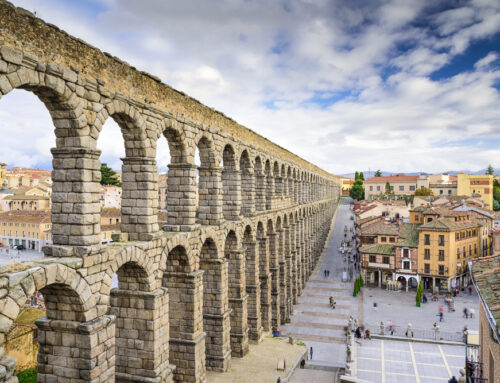
Avila Spain is rich in religious architecture and cultural heritage, showcasing a variety of styles and historical significance, as in Segovia Spain.
The city’s churches and monasteries reflect its deep-rooted faith and the artistic developments spanning centuries.
The Cathedral of Ávila: Romanesque and Gothic Styles
The Cathedral of Avila Spain, dedicated to the Saviour, is a remarkable example of early Gothic architecture in Spain.
Construction began in the 12th century, and it incorporates elements of Romanesque design.
The cathedral’s austere exterior is fortified, mirroring the city’s imposing walls.
Inside, visitors can admire stunning chapels adorned with exquisite altarpieces and religious art.
The main altar showcases an intricately carved reredos, making it a focal point for worshippers and tourists alike.
Its fusion of architectural styles offers insights into the evolution of ecclesiastical design during a pivotal era.
Basilica de San Vicente and Its History
The Basilica de San Vicente is another prominent landmark, renowned for its striking Romanesque architecture.
Built in the 11th century, it stands as a testament to the city’s religious importance during the Middle Ages.
The basilica’s facade features elaborate carvings, depicting biblical scenes and saints.
The interior is equally captivating, with a magnificent apse and beautifully preserved medieval frescoes.
This church is associated with the martyrdom of Saint Vincent, whose legacy is celebrated in the city, further enriching Ávila’s cultural narrative.
The Convent of Santa Teresa: Birthplace of the Saint
The Convent of Santa Teresa is significant as the birthplace of the revered Saint Teresa of Jesus.
Founded in the 17th century, the convent embodies the spirituality and reformative ideals of the saint.
Its tranquil cloisters provide a serene environment for contemplation.
Inside, the convent houses various relics related to Santa Teresa’s life and work, including her writings and personal belongings.
The space serves as both a religious site and a cultural museum dedicated to her legacy.
The Real Monasterio de Santo Tomás
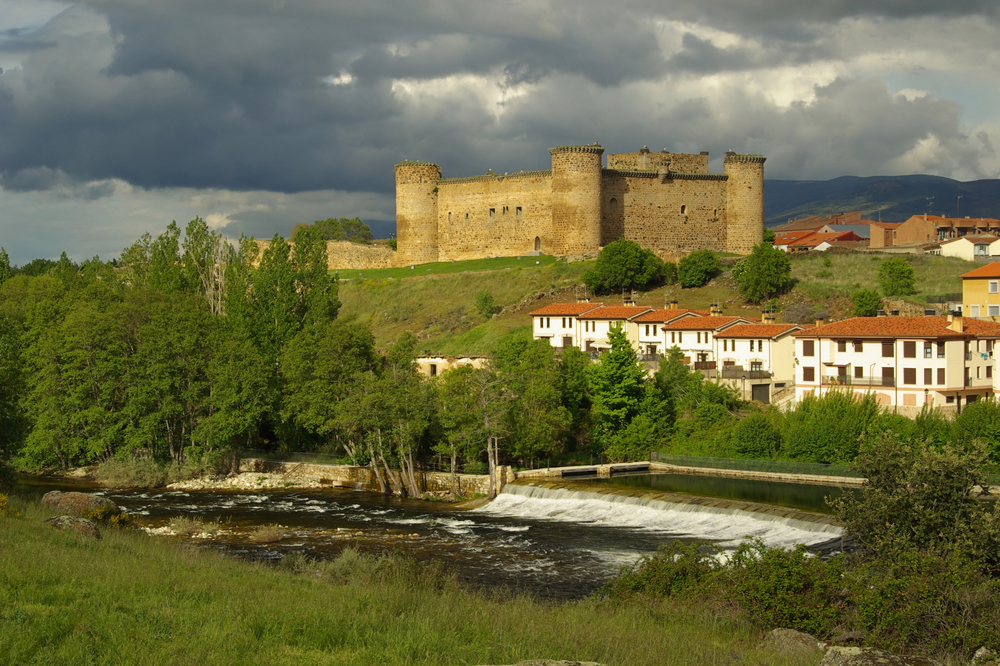
The Real Monasterio de Santo Tomás is an awe-inspiring structure that highlights the city’s monastic heritage.
Established in the 15th century, it reflects the transition from Gothic to Renaissance architectural styles.
The monastery features a stunning church and cloister, both richly decorated.
As a former royal monastery, it played a vital role in the religious and cultural life of Avila Spain.
Today, it houses a museum that preserves historical artifacts and offers insights into past monastic practices.
Churches Outside the Walls: San Pedro and San Juan
-
Church of San Pedro in Avila Spain
The Church of San Pedro, located just outside the city walls, is a notable example of Mudejar architecture.
Its brickwork and unique tower are characteristic of the style.
-
Church of San Juan
Similar to San Pedro, the Church of San Juan showcases a blend of Romanesque and Gothic elements.
Its historical significance and artistic features make it a worthwhile visit for those exploring the area.
Ávila’s Rich Cultural Heritage
Ávila boasts a vibrant cultural heritage that reflects its diverse history and traditions.
From its designation as a UNESCO World Heritage Site to its lively annual festivities, the city is a testament to the cultural richness accumulated over centuries.
UNESCO World Heritage Designation
In 1985, the historic walled town of Avila Spain was declared a UNESCO World Heritage Site.
This recognition highlights the city’s exceptional ensemble of medieval structures, most notably its formidable walls, which encircle the city in a display of architectural ingenuity and historical significance.
The preservation of these structures serves as a window into the past, allowing visitors to appreciate the city’s strategic importance during the Middle Ages.
Annual Festivals and Events in Avila Spain
Ávila is also known for its vibrant celebrations that bring the community together while showcasing its rich traditions.
Throughout the year, various festivals reflect the city’s cultural identity.
Semana Santa Celebrations
Semana Santa, or Holy Week, is one of the most important religious events in Avila Spain.
The streets come alive with impressive processions that embody deep religious devotion and historical significance.
Participants don traditional robes, carrying intricate floats that depict scenes from the Passion of Christ.
The atmosphere is solemn yet profound, attracting many visitors who wish to witness this cultural experience.
Fiestas de Santa Teresa
The Fiestas de Santa Teresa, held in October, celebrate the life and legacy of Saint Teresa of Jesus, a prominent figure in Spanish history.
The festivities include religious services, cultural events, and communal activities.
Locals partake in music, dance, and traditional food, creating a joyous atmosphere that honours the patroness of Avila Spain.
The events also feature theatrical performances and artistic exhibitions that pay tribute to her influence on spirituality and culture.
The Unique Climate of Avila Spain
Ávila’s climate is uniquely characterised by its high altitude, resulting in distinct weather patterns and seasonal variations throughout the year, as in Leon Spain.
This interplay of geographical features creates a microclimate that is both fascinating and challenging for its inhabitants.
Weather Patterns and Seasonal Variations
The weather in Ávila is classified as a warm Mediterranean climate, tempered by the city’s elevation of over 1,130 meters (3,700 feet) above sea level.
This altitude influences both the temperature and precipitation patterns, leading to notable seasonal contrasts.
- Summer months, particularly July, enjoy average temperatures around 20.6 °C (69 °F). The days are typically warm and dry, with plenty of sunshine, making it a popular time for visitors.
- In contrast, winters can be quite harsh. January often sees average lows of approximately 3.0 °C (37 °F), with occasional snowfall. The contrast between the sunny days and chilly nights is striking, typical of high-altitude areas.
- Precipitation is fairly low, averaging around 416 mm (16.4 inches) annually. Most rainfall occurs during the spring and autumn, which are characterised by mild temperatures. The dry nature of much of the year has led to historical challenges regarding water supply.
Impacts of Altitude: The Highest Provincial Capital
The significant altitude plays a crucial role in shaping the climate of Avila Spain.
Being the highest provincial capital in Spain, the city experiences both advantages and disadvantages related to its elevation.
- The clear skies and ample sunlight can create a favourable environment for outdoor activities and tourism, particularly during summer.
- However, the altitude may also present challenges such as increased UV radiation exposure. Visitors and residents alike are advised to take precautions, especially during the peak summer months.
- The cold winter temperatures can affect daily life, resulting in heating costs that residents must account for, especially in the older buildings lacking modern insulation.
This unique climate not only contributes to the city’s character but also influences the local lifestyle and agricultural practices, creating a blend of tradition and adaptation to the environment.
Yours Free
Please click / tap on the image below:
Ávila on the Map: Accessibility and Travel Tips
Understanding how to navigate to and within Ávila is essential for a seamless visit.
Here are the main transportation methods to reach the city and tips for exploring its charming streets.
Getting to Ávila from Madrid
Accessing Avila Spain from Madrid is straightforward, with several convenient options available for travellers.
Train Connections: Madrid Príncipe Pío
One of the most popular methods of transport is by train.
The train journey from Madrid to Avila Spain offers both comfort and scenic views.
Trains regularly depart from Madrid Príncipe Pío station, providing an efficient service.
The journey typically lasts around 1 hour and 30 minutes, making it a viable option for a day trip or a longer stay.
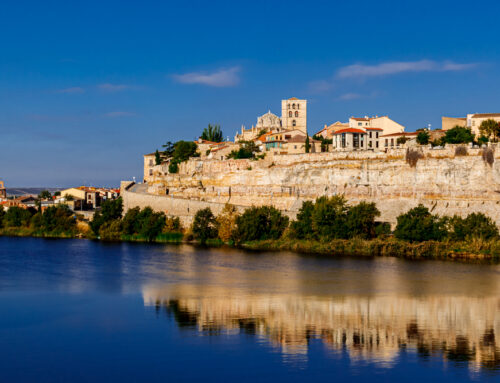
In a bit less than 2 hours, you will arrive to Zamora Spain.
Driving Routes and Public Transit
For those preferring to drive, the journey by car can take approximately 1 hour and 40 minutes, depending on traffic.
Palencia Spain is two hours away from Avila.
The A-6 motorway leads towards the N-110, providing access to Avila Spain.
Public buses are an alternative, with various companies offering services from Madrid’s main bus stations, which may take a bit longer but offer a budget-friendly option.
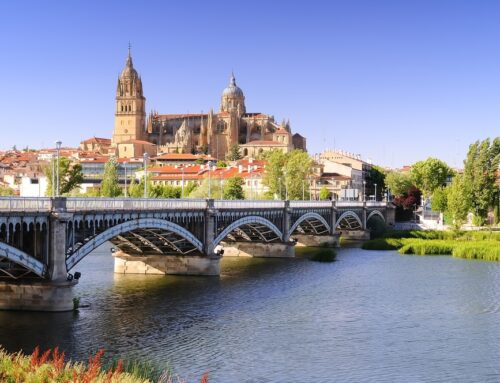
The city of Salamanca Spain is just one hour away.
Navigating Avila Spain: From City Centre to Old Town
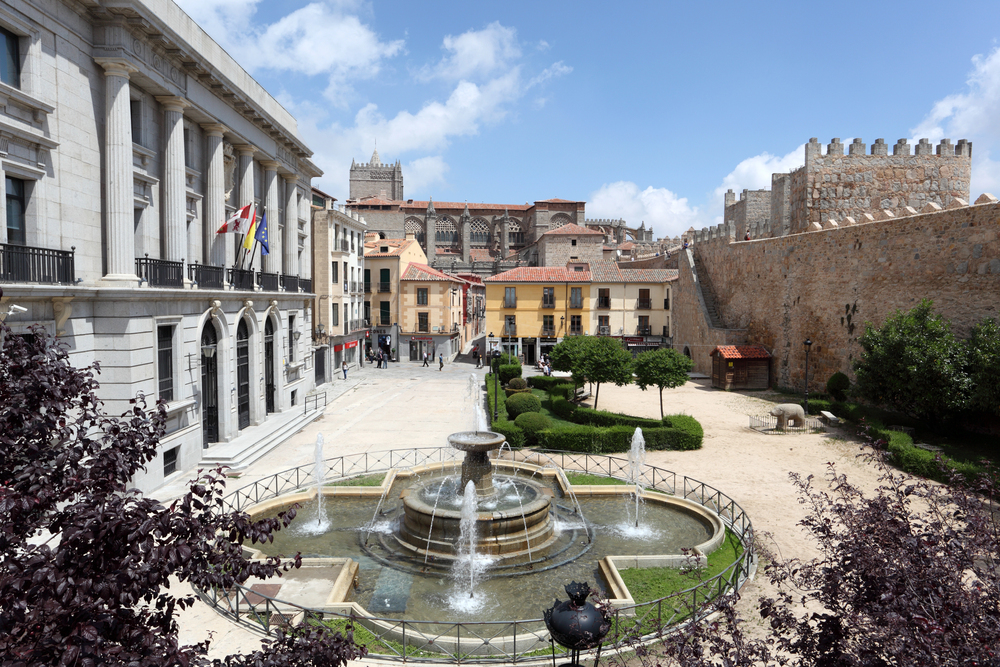
The layout of Avila Spain is remarkably pedestrian-friendly, especially within the Old Town area, enabling visitors to explore its historical gems on foot.
The city centre is compact, allowing easy access to major attractions, as it happens in other cities of Castile Leon, such as Soria Spain.
Within the walled section, visitors will find numerous points of interest, including:
- The iconic city walls
- The Cathedral of Ávila
- The Basilica de San Vicente
- The Convent of Santa Teresa
Walking tours are highly recommended for a deeper understanding of the rich history and architecture.
Signage throughout the city helps guide explorers through its charming medieval streets, ensuring no landmark goes unnoticed.
Accommodation in Ávila: Hotels and Lodging
Ávila offers a range of accommodations that cater to different tastes and budgets, making it a delightful destination for all types of travellers.
Whether seeking luxury or a cosy retreat, the options are plentiful.
Booking Tips and Recommendations
To secure the best lodging options, visitors should consider booking in advance, especially during peak tourist seasons.
Here are a few tips:
- Research different neighbourhoods within Avila Spain to find accommodations that fit personal interests, whether seeking vibrant local culture or quiet surroundings.
- Look for package deals that may include meals or entry to local attractions, enhancing your overall experience while saving money.
- Reading reviews on trusted travel sites can be beneficial for finding hotels that match expectations for service and amenities.
Culinary Delights: Gastronomic Offerings in Avila Spain
Ávila boasts a remarkable culinary scene that reflects its rich cultural heritage.
Local gastronomy is steeped in tradition, offering a range of flavours that are sure to delight the palate.
Two of the most celebrated aspects of Ávila’s cuisine are its hearty dishes and exquisite sweets.
Traditional Dishes: The Chuletón de Ávila
One of the standout dishes in Ávila is the renowned Chuletón de Ávila, a premium cut of beef that is both tender and flavourful.
This dish has become synonymous with the city and is beloved by locals and visitors alike.
- The Chuletón is often sourced from local cattle, raised in the surrounding fields, ensuring an authentic taste.
- Grilled to perfection, it is typically served on the bone and is accompanied by simple yet complementary sides such as roasted potatoes or seasonal vegetables.
- Many restaurants in Ávila pride themselves on their unique preparations, offering variations seasoned with local herbs and spices.
This dish exemplifies the hearty and robust flavours characteristic of the region, making it a must-try for anyone visiting the city.
Sweet Treats: Yemas de Santa Teresa
In addition to savoury offerings, Avila Spain is famous for its sweet delectables, most notably the Yemas de Santa Teresa.
These confections are a representation of the city’s culinary tradition and are steeped in history.
- Made primarily from egg yolks and sugar, the Yemas are known for their rich, sweet flavour and smooth texture.
- These treats were traditionally prepared by the nuns of the Convent of Santa Teresa and continue to be a popular delicacy served during various festivities.
- The Yemas can be found in many local bakeries, often presented in beautifully decorated boxes, making them an ideal gift or souvenir.
Both the Chuletón de Ávila and Yemas de Santa Teresa reflect the city’s culinary heritage and the importance of traditional recipes that have been passed down through generations.
These gastronomic delights are not just meals; they are a taste of Ávila’s culture and history.
Exploring Beyond the City: Natural Landscapes of Avila Spain
The natural landscapes surrounding Avila Spain offer a diverse range of outdoor activities and breathtaking beauty.
Visitors can immerse themselves in the region’s stunning scenery while enjoying various adventures, from hiking to exploring tranquil riverside areas.
Hiking and Outdoor Adventures
Ávila’s surrounding countryside is a hiker’s paradise, with numerous trails that cater to all levels of experience.
The proximity to the Sierra de Villafranca and the Sierra de la Candelaria provides ample opportunities for those seeking an adventure in nature.
The varied terrain ranges from gentle slopes to challenging ascents, giving hikers a chance to experience the region’s stunning vistas.
Popular hiking routes include:
- The Valle de Amblés: A scenic valley dotted with wildflowers and wildlife, perfect for leisurely strolls.
- Paths leading to the Sierra de Villafranca: These routes offer panoramic views and unique flora.
- The CL-505: A more challenging trail that winds through rugged terrains for experienced hikers.
Birdwatching and photography are also popular in these areas, as visitors can spot a variety of bird species in their natural habitat.
The tranquillity of the outdoors provides a perfect escape from the urban hustle and bustle.
The Adaja River and Surrounding Countryside in Avila Spain
The Adaja River meanders through the landscape, presenting an idyllic setting for those who enjoy water-based activities.
The banks of the river are popular spots for picnicking and relaxation, while the clear waters invite swimming and canoeing during warmer months.
Along the river, several walking paths make for enjoyable strolls, where visitors can appreciate the peace and quiet of nature.
The surrounding countryside is rich in biodiversity, with various plant species and wildlife thriving in this serene environment.
Local fauna such as deer and various bird species often make appearances, providing delightful moments for nature enthusiasts.
Overall, the natural landscapes beyond the city of Ávila enhance its allure as a destination.
Whether exploring the mountains or enjoying the restful banks of the Adaja River, the region’s beauty offers a memorable experience for all who venture outside the city walls.
Yours Free
Please click / tap on the image below:
If you would like to read about other important points for living / moving to Spain, here are other useful articles we wrote: