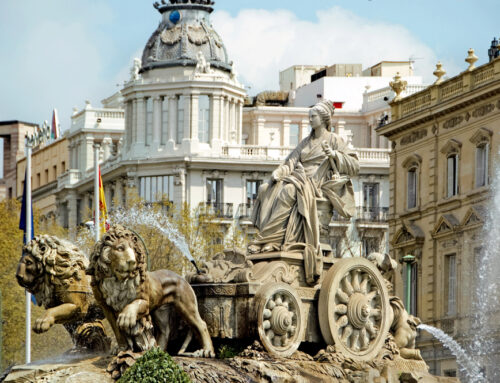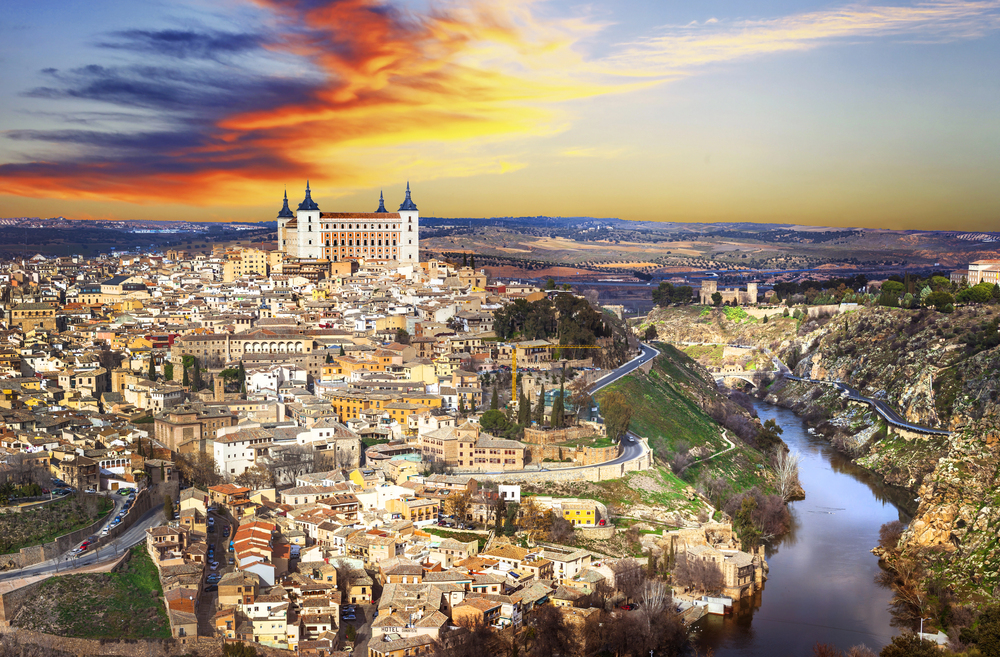
Cities in Spain have its own unique charm and history.
From the bustling capital of Madrid to the artistic streets of Barcelona, the variety is striking.
These cities reflect a deep historical significance, showcasing influences ranging from Roman architecture to Moorish design.
Cultural diversity is evident through numerous festivals, traditions, and regional languages that bring life to each urban centre.

Before we start… Yours Free
Please click / tap on the image below:

Overview of Spanish Cities
The cities of Spain showcase a rich tapestry of history, culture, and vibrant traditions.
Each city offers a blend of influences that narrate the story of the nation through its architectural marvels and diverse customs.
Historical Significance
Throughout history, Spanish cities have witnessed the rise and fall of various civilisations.
This historical backdrop lends depth to the identity of each city, enriching the contemporary urban experience.
Roman Influence
The footprint of Roman history is distinctly visible across many Spanish cities.
From the well-preserved ruins of amphitheatres and aqueducts to ancient roads that have stood the test of time, the Roman Empire’s impact is profound.
Cities like Tarragona Spain and Merida boast impressive Roman structures.
Tarragona has an Amphitheatre, while Merida Spain has a Roman Theatre, that tell tales of a once-mighty regime that left a lasting legacy in architecture and urban planning.
Moorish Architecture
Moorish influence has significantly shaped the architectural landscape of Spain.
From the intricate tilework and ornate arches to the majestic palaces, this style is prominently featured in cities like Granada and Córdoba.
The Alhambra in Granada Spain showcases a stunning example of architecture, representing a cultural hub during the Moorish rule.
Córdoba’s Mosque-Cathedral stands as a testament to the historical coexistence of different religions, highlighting the artistic synergy of the period.
Cultural Diversity
Cultural diversity is a defining characteristic of Spanish cities, where various regional customs and traditions converge.
In northern Spain, you will find the ancient region of Castilla Leon Spain.
Right above Portugal, you will be able to visit Galicia Spain.
The influence of historic migrations, trade, and interactions among cultures has contributed to a unique social fabric.
Festivals and Traditions
Spanish cities are renowned for their vibrant festivals, each reflecting local heritage and community spirit.
There are many well-known events such as:
- La Tomatina in Buñol, where participants engage in a friendly tomato fight
- Las Fallas in Valencia, known for its extravagant fireworks and the burning of large papier-mâché figures, draw thousands of visitors every year.
- Semana Santa, or Holy Week, is celebrated with passionate processions and religious fervour across many cities, embodying the deep-rooted traditions that continue to flourish.
Regional Languages and Dialects
The linguistic landscape of Spain is equally diverse, with distinct languages and dialects spoken in different regions.
While Spanish is the official language, regions like Catalonia, Galicia, and the Basque Country Spain promote their own languages—Catalan, Galician, and Euskera—respectively.
This linguistic diversity not only enhances the cultural richness of cities but also contributes to a sense of identity and community, allowing locals to maintain their traditions and heritage.
In summary, the overview of Spanish cities provides a glimpse into a world where history and culture intersect.
Through the exploration of architectural legacies, vibrant festivals, and a tapestry of languages, one can appreciate the dynamic nature of urban life in Spain.
These elements combine to shape the character of each city, making them unique destinations filled with stories and experiences waiting to be discovered.

Top Cities to Visit in Spain
The cities of Spain offer rich cultural experiences, stunning architecture, and vibrant atmospheres.
This section explores three of the most significant urban destinations that capture the essence of Spanish life.
Madrid: Capital of Culture
As the capital and largest city of Spain, Madrid Spain is a powerhouse of culture and history.
This bustling metropolis straddles the line between the traditional and the contemporary, showcasing an extensive array of attractions.
Main Attractions
Madrid boasts a plethora of must-see sites. Key highlights include:
- Prado Museum: Renowned for its impressive collection of European art, featuring works by masters such as Velázquez and Goya.
- Royal Palace: A grand example of Spanish architecture and the official residence of the royal family, offering opulent rooms and beautiful gardens.
- Retiro Park: A vast green space that provides a serene escape from the urban hustle, complete with a crystal palace and numerous sculptures.
Local Cuisine
Madrid’s culinary scene is a delightful fusion of flavours.
Traditional dishes include:
- Tapas: Small plates that encourage sharing, offering a variety of meats, cheeses, and vegetables.
- Cocido Madrileño: A hearty chickpea-based stew, ideal for warming up during the cooler months.
- Churros with Chocolate: A popular breakfast option, these fried dough pastries are best enjoyed with thick chocolate for dipping.
Barcelona: Modernismo and Beyond
Barcelona, the capital of Catalonia Spain, is celebrated for its unique architectural style, vibrant street life, and stunning coastal scenery.
Gaudí’s Masterpieces
Barcelona Spain is home to several iconic works by Antoni Gaudí that epitomise Catalan Modernism:
- Sagrada Familia: This unfinished basilica is a UNESCO World Heritage site, characterised by its intricate facades and towering spires.
- Park Güell: A colourful park filled with artistic structures and stunning views of the city, embodying Gaudí’s distinctive style.
- Casa Batlló: Known for its organic shapes and vibrant colours, this building is another of Gaudí’s masterpieces that attracts countless visitors.
Beach Life
Barcelona’s location along the Mediterranean coast ensures a lively beach culture.
The city offers many opportunities for sunbathing and water sports. Notable beaches include:
- Barceloneta Beach: A popular spot with lively bars and restaurants.
- Bogatell Beach: Known for its clean sands and slightly quieter atmosphere, ideal for relaxation.
- Ocata Beach: A little further afield, this beach offers a more tranquil escape from the city bustle.
Seville: Heart of Andalusia
Seville, the capital of Andalusia Spain, is renowned for its rich history, flamenco dancing, and stunning architecture.
Flamenco and Festivals
Seville Spain is synonymous with flamenco, a passionate and expressive art form.
Visitors can experience this cultural phenomenon through:
- Flamenco Shows: Numerous venues host live performances throughout the year.
- Feria de Abril: A vibrant spring fair filled with traditional costumes, music, and dance.
- Semana Santa: The Holy Week celebrations feature solemn processions that attract visitors from around the world.
Historical Landmarks
Seville is dotted with remarkable historical sites that reflect its diverse past.
Some key landmarks include:
- Seville Cathedral: The largest Gothic cathedral in the world, home to the famous La Giralda tower.
- Alcázar of Seville: An exquisite royal palace with intricate architectural details, embodying the city’s Moorish past.
- Metropol Parasol: A modern architectural marvel in the old quarter, providing stunning views of the city.
Yours Free
Please click / tap on the image below:
Economic and Geographic Insights
The economic landscape and geographical distribution of cities in Spain highlight their significance in both national and international contexts.
Understanding the dynamics of these urban areas reveals much about the country’s development, prosperity, and cultural wealth.
Largest Cities by Population
Spain’s urban centres vary considerably in population, with a few cities standing out as the largest.
These cities serve as important hubs for various sectors, contributing significantly to the economy.
Industrial Hubs
Among the largest cities, several have evolved into prominent industrial hubs. These include:
- Barcelona: A vital centre for manufacturing and technology, particularly known for its automotive and textile industries.
- Madrid: The capital focuses on services but has a considerable industrial base, especially in technology and telecommunications.
- Valencia: An emerging hub for logistics and manufacturing, benefiting from the strategic coastal position of Valencia Spain.
- Bilbao: Traditionally known for its steel production, Bilbao Spain has now diversified into technology and services.
Key Economic Activities
The largest cities in Spain are identified not only for their population but also for their diverse economic activities. Some key sectors include:
- Tourism: Cities like Barcelona, Seville, and Malaga Spain attract millions of visitors annually, driving local economies.
- Finance: Madrid is a central financial hub within Europe, housing major banks and financial institutions.
- Agriculture: Regions surrounding these cities often contribute significantly to agricultural production, especially in Valencia, known for its citrus fruits, as well as Murcia Spain.
- Technology and Innovation: Cities like Málaga and Barcelona are growing in importance as technology hubs, fostering innovation and tech start-ups.
Mapping Spain: Geographic Overview
Spain’s geographical layout significantly impacts its cities.
The varied terrain, which includes coastal areas, mountains, and high plateaus, influences economic activities and population distribution.
Coastal Cities
Spain’s coastal cities are crucial for its economy, leveraging their locations for trade, tourism, and fisheries. Noteworthy coastal cities include:
- Barcelona: A major Mediterranean port and tourism destination, known for its beaches and architecture.
- Valencia: Besides its industrial ports, it is famous for its beautiful coastline and cultural festivals.
- Málaga: Known for its beaches, it also serves as a gateway to the Costa del Sol, attracting many tourists.
- Alicante: A key player in the tourism sector. Alicante Spain is famous for its charming coastal views and vibrant nightlife.
Inland Capitals
Inland cities have their unique characteristics and importance.
They often serve as cultural and political centres and are integral to agriculture.
Key inland capitals include:
- Madrid: As the capital, it is the political and economic heart of Spain, influencing policies and economic directions.
- Murcia: It’s the name of the region, as well as the capital of the region. The historical city of Cartagena Spain is within this region.
- Toledo: An emblem of historical richness, it contributes to tourism and preserves traditional crafts.
- Salamanca: Renowned for its prestigious university, Salamanca Spain attracts students and researchers, boosting the local economy.
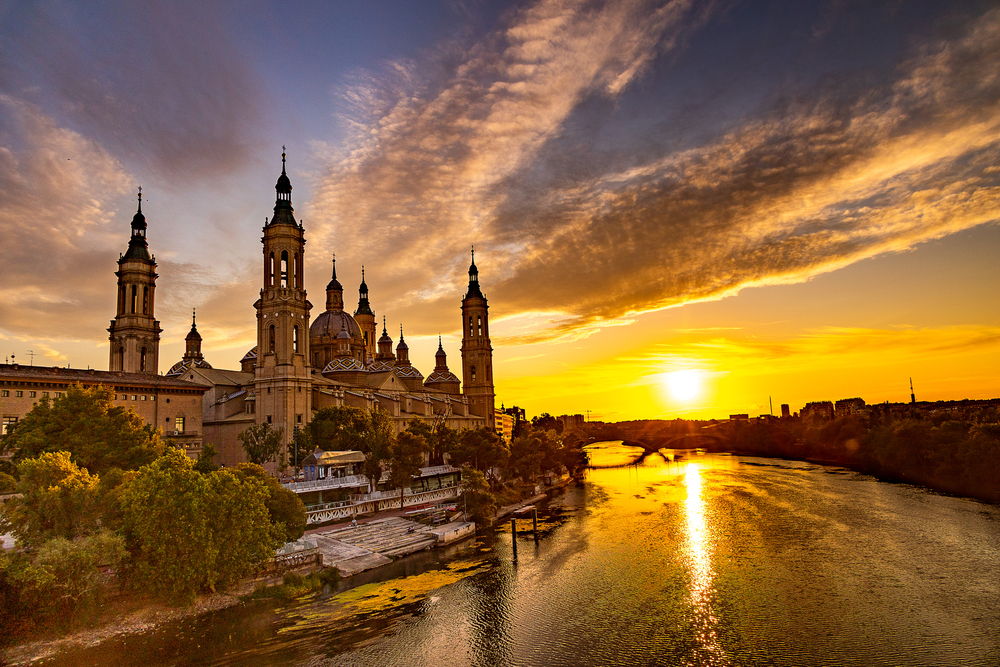
- Zaragoza: A logistical centre located strategically between Madrid and Barcelona, facilitating trade and commerce.
Frequently Asked Questions
This section addresses common queries regarding travelling to and experiencing various cities in Spain.
Which Cities are Must-Visits?
Spain is home to numerous cities that offer unique experiences, but some are particularly noteworthy for their cultural, historical, and social significance.
The following cities are often considered must-visit destinations:
-
Madrid
The bustling capital is renowned for its art museums, vibrant nightlife, and historical landmarks. Iconic sites include the Royal Palace and the Prado Museum.
-
Barcelona
A city famous for its stunning architecture by Antoni Gaudí, including the Sagrada Familia and Park Güell. Barcelona’s beaches and lively atmosphere also attract many visitors.
-
Seville
Known for its rich Moorish history, Seville is celebrated for its flamenco dancing, the stunning Alcázar palace, and the vibrant Feria de Abril festival.
-
Valencia
This city combines historic sites and modern architecture, including the City of Arts and Sciences. It’s also famous for its delicious paella.
-
Córdoba
A city steeped in history, particularly known for the breathtaking Mezquita. You will love Cordoba Spain.
-
Tenerife
Tenerife Spain is one of the iconic island in the Canary Islands Spain, a beautiful island that you will always remember.
-
Mallorca
Who has never heard of Mallorca Spain? Another iconic island within the Balearic Islands Spain.
How to Navigate a City Tour
Exploring Spanish cities can be a delightful experience if planned wisely.
Here are some tips to enhance city tours:
-
Public Transport
Most major cities have extensive public transport networks, including buses, trams, and metro systems. Purchasing a travel card can be economical for tourists.
-
Walking Tours
Many cities are pedestrian-friendly, and walking tours are a fantastic way to discover hidden gems and local history while enjoying the scenery.
-
Bicycle Rentals
Biking is a popular way to explore cities like Barcelona and Valencia. Many cities offer bike-sharing schemes that are convenient and user-friendly.
-
Guided Tours
Participating in guided tours can provide insightful context about the area’s history and culture. This can include everything from food tours to historical walking excursions.
Best Time to Visit Spanish Cities
The ideal time to visit Spain can depend on various factors including climate, festivals, and tourist crowds.
The following guidelines can help in planning the trip:
-
Spring (March to May)
This season is often regarded as one of the best times to visit, with mild weather and blooming flowers. Numerous festivals, such as Feria de Abril in Seville, take place during this time.
-
Autumn (September to November)
Similar to spring, autumn brings comfortable temperatures and fewer crowds. This period, particularly around harvest time, is perfect for enjoying local cuisine and wines.
-
Summer (June to August)
Although summer is peak tourist season, many cities can become quite hot. Coastal cities provide a cooler alternative, making this a popular time for beach holidays.
-
Winter (December to February)
Winter can be a lovely time to visit, especially for those interested in festive celebrations.
Coastal areas such as Costa Blanca Spain (Alicante province), Costa del Sol Spain (Malaga province) and Costa Calida Spain (Murcia Region) have mild temperatures during the winter.
Yours Free
Please click / tap on the image below:
If you would like to read about other important points for living / moving to Spain, here are other useful articles we wrote: