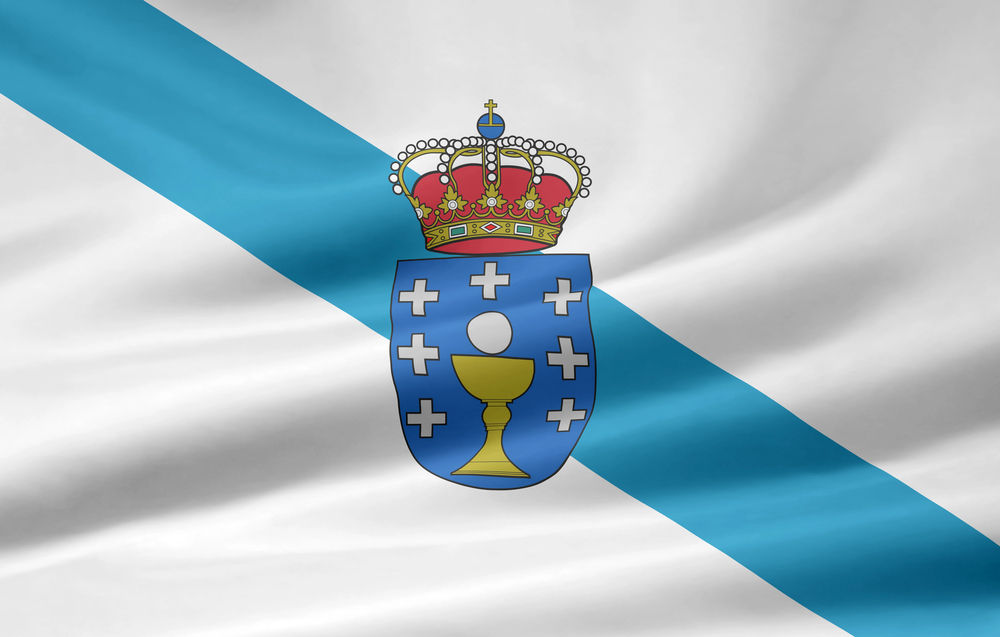
Galicia Spain is an autonomous community in the northwest of Spain, known for its rich history and unique identity.
The region is marked by lush landscapes, a rugged coastline, and a vibrant cultural heritage.
It encompasses four provinces: A Coruña, Lugo, Ourense, and Pontevedra.
Galicia is often recognised for its distinct language, cuisine, and traditions, making it a fascinating destination for visitors.

Before we start… Yours Free
Please click / tap on the image below:

Historical Background of Galicia Spain
The historical narrative of Galicia is an intricate tapestry woven through centuries of diverse influences, cultures, and events.
From its ancient roots to modern developments, the region’s past has shaped its present identity.
Ancient Inhabitants and Roman Influence
The early history of Galicia is marked by the presence of Celtic tribes, who settled in the region during the Iron Age.
These ancient inhabitants, known as the Gallaeci, cultivated a unique cultural identity that contributed significantly to Galicia’s heritage.
In 19 BC, the area fell under Roman control following the Cantabrian Wars.
This marked a crucial turning point, as Galicia Spain was integrated into the Roman Empire as the province of Gallaecia.
The Romans established several cities, built roads, and developed agricultural techniques, which laid the groundwork for future prosperity.
Roman influence is still visible today in various archaeological sites, including ancient roads and ruins.
The introduction of Latin during this period also played a pivotal role in shaping the Galician language.
Middle Ages and the Kingdom of Galicia
Following the decline of the Roman Empire, Galicia became a battleground for various invading groups, including the Visigoths.
By the 8th century, the region was integrated into the Kingdom of Asturias, and Galicia began to emerge as a distinct entity.
During the Middle Ages, Galicia Spain prospered economically and culturally.
The establishment of the Camino de Santiago, a pilgrimage route leading to the shrine of Saint James in Santiago de Compostela, attracted pilgrims from across Europe, enhancing its cultural significance.
The Kingdom of Galicia reached its zenith in the 10th century, characterised by its own rulers and unique legal traditions.
19th and 20th Century Developments
The 19th century witnessed significant changes in Galicia as Spain underwent profound political transformations.
The rise of nationalism led to a revival of the Galician language and culture.
Figures such as Rosalía de Castro championed the use of Galician in literature, fostering a renewed sense of identity among the population.
Galicia Spain faced various challenges during the 20th century, including the impact of the Spanish Civil War and the dictatorship afterwards.
However, the transition to democracy in the late 1970s paved the way for a cultural renaissance.
The reinstatement of the Galician language as co-official and the establishment of the autonomous community in 1981 further solidified its cultural revival.
Geography and Landscapes
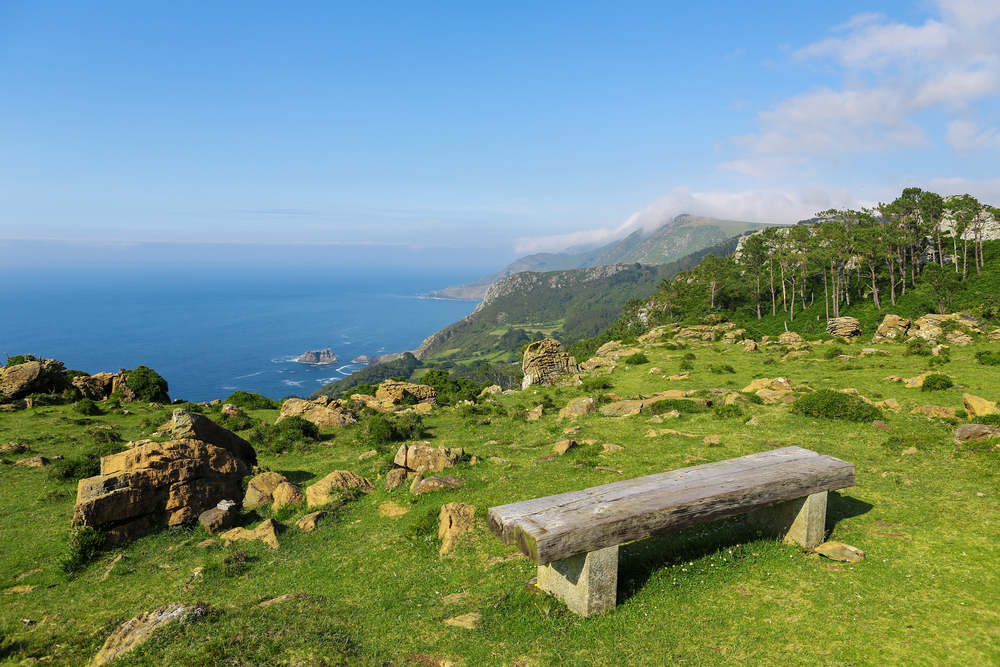
Galicia boasts a diverse and captivating geography, characterised by its stunning coastlines, rolling mountains, and verdant valleys.
The interplay of its natural features creates a unique landscape that varies dramatically across the region.
The Rias and Coastal Beauty
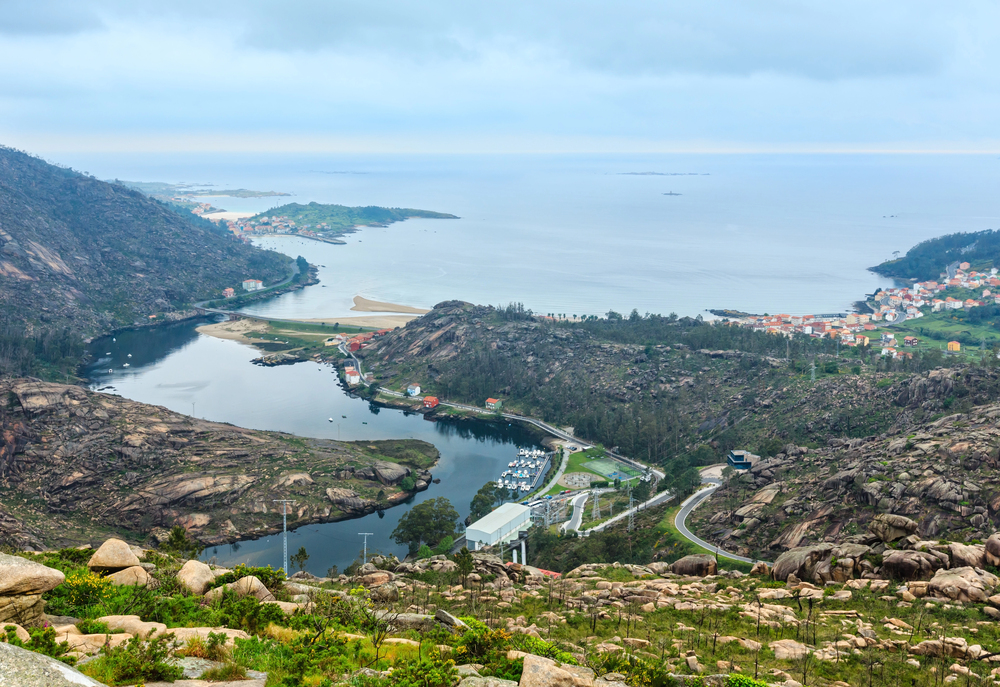
The coastline of Galicia Spain is marked by its intricate rías, which are estuaries formed by river valleys that have been flooded by rising sea levels.
These rías, such as the Ría de Arousa and Ría de Pontevedra, are renowned for their striking beauty and biodiversity.
They provide a habitat for various marine species and are essential to the local fishing industry.
-
Importance of the Rías
The rías serve as crucial ecological zones, fostering rich marine life, from shellfish to fish.
They are not only vital for biodiversity but also support the livelihoods of local fishermen and the economy through seafood exportation.
-
Beaches and Natural Reserves
Galicia’s coastline is dotted with pristine beaches, such as those found in the Costa da Morte.
These unspoiled sandy shores offer a stunning contrast to the rugged cliffs and are popular among both locals and visitors for sunbathing and water sports.
Mountains and Valleys
The interior of Galicia Spain is dominated by a hilly terrain with mountain ranges, including the Ancares and the Cantabrian Mountains.
These areas provide a backdrop for lush valleys and fertile land, ideal for agriculture.
-
Mountain Ranges
The Ancares mountain range not only offers breathtaking views but also opportunities for hiking and outdoor activities.
Its diverse flora and fauna make it a hotspot for nature enthusiasts.
-
Fertile Valleys
The valleys, such as the Valdeorras and the Ribeira Sacra, are known for their agricultural abundance.
Vineyards flourish here, contributing to Galicia’s growing reputation as a quality wine-producing region.
The Atlantic Ocean and Climate
The Atlantic Ocean significantly influences Galicia’s climate, rendering it unique within Spain.
The region experiences a maritime climate characterised by mild winters, cool summers, and generous rainfall, achieving an annual average of over 1000 mm.
-
Temperature Variations
Winter temperatures are typically mild, while summers remain comfortably cool due to the oceanic breezes.
This climate supports a diverse ecosystem, reflected in its lush green landscapes.
-
Impact on Agriculture
The climate also benefits agriculture, allowing for the cultivation of a variety of crops, including potatoes, maize, and numerous fruits, particularly in the warmer valleys.
Culture and Traditions
Rich and varied, the culture and traditions of Galicia Spain reflect a deep historical narrative shaped by its unique identity.
From its language to its cuisine, every aspect tells a story of resilience and pride.
The Galician Language and Literature
The Galician language holds a central place in the identity of the region.
Officially recognised alongside Spanish, it is a language that has undergone significant revival since the late 20th century.
Literary works in Galician date back to the medieval period, with poets like Martín Codax paving the way.
Modern authors such as Rosalía de Castro and Ramón Otero Pedrayo have championed the language, further solidifying its prominence in both literature and everyday life.
Galician literature encompasses a range of genres, from poetry to prose, often reflecting the landscape and culture of the region.
Notably, the literary movement known as the “Rexurdimento” in the 19th century saw a significant flourishing of Galician literature, reclaiming the language and celebrating its unique cultural heritage.
Music, Dance, and Festivals
Music and dance form the heartbeat of Galician culture.
Traditional Galician music often features instruments such as the gaita (bagpipe), pandeireta (tambourine), and dulzaina (a type of woodwind).
Folk music is celebrated for its spirited melodies and infectious rhythms, which are integral to cultural celebrations and gatherings.
Dance is equally important, with styles such as the muñeira showcasing lively footwork and community participation.
Numerous festivals throughout the year highlight these traditions, including:
- Festa da Música: A celebration of music in various forms.
- San Juan: Observed with bonfires on the beach, combining ancient rites and modern festivities.
- Día do Apóstolo: The Day of the Apostle James, marked by pilgrimages and cultural displays.
These events are more than mere celebrations; they serve to strengthen community bonds and keep traditional practices alive.
Galician Cuisine and Gastronomy
The culinary landscape of Galicia Spain is renowned for its rich flavours and fresh ingredients.
Healthcare, sustainability, and local produce are central themes in Galician gastronomy.
Seafood is a cornerstone of the diet, with specialities such as:
- Pulpo a la gallega: Octopus seasoned with paprika, oil, and salt, served with potatoes.
- Empanada: A pastry filled with various ingredients, from meat to fish.
- Tarta de Santiago: An almond cake associated with the pilgrimage to Santiago de Compostela.
Additionally, Galician wines, particularly those from the Rías Baixas region, are gaining acclaim for their quality and distinct flavour profiles.
The practice of sharing meals during celebrations fosters community ties and showcases the warmth of Galician hospitality.
Economy and Industry
The economy of Galicia Spain is characterised by a diverse range of activities, with agriculture, fishing, and industry forming the backbone of its economic landscape.
The region benefits from rich natural resources and a strong cultural identity that influences various sectors.
Agriculture and Fishing
Agriculture is a crucial component of Galicia’s economy, with a landscape well-suited for cultivating a variety of crops.
The region’s mild climate and fertile soil allow for the growth of:
- Potatoes
- Corn
- Lettuce
- Fruits, particularly apples and grapes
These products are not only vital for local consumption but are also significant for export.
Olive oil production, though less prevalent than in other Spanish regions, is notable due to its artisanal quality.
Fishing plays a pivotal role in the coastal economy.
Galicia Spain is home to some of Spain’s most important fishing ports.
It’s renowned for its:
- Octopus
- Shellfish, including mussels and clams
- Various fish species, with a strong emphasis on sustainable practices
The fishing industry, particularly in cities like Vigo, has a significant impact on employment and local culture.
Processing facilities for seafood contribute to the economy while ensuring high-quality standards and global exportability.
Industrial Growth and Innovation
Galicia Spain has seen a robust expansion in its industrial sector over recent years.
The economic landscape includes a mixture of traditional industries and modern innovations.
Key aspects include:
- Textiles: Historically significant, the textile industry has adapted to modern trends, producing high-quality garments.
- Automotive: With major plants in operation, this sector has become increasingly important for employment and technology transfer.
- Renewable Energy: Galicia is a frontrunner in wind energy, with numerous facilities and projects that highlight its commitment to sustainable development.
Innovative practices and the integration of technology across these industries have positioned Galicia Spain as a competitive region within Spain and beyond.
Tourism and Attractions
The tourism sector is a vital contributor to Galicia’s economy, leveraging its rich history, culture, and natural beauty.
Key aspects of this sector include:
- Pilgrimage Routes: The Camino de Santiago attracts thousands of pilgrims and tourists each year, enhancing the hospitality and service sectors.
- Natural Landscapes: The picturesque rías, national parks, and rugged coastline serve as significant draws for nature enthusiasts and adventure seekers.
- Cultural Heritage: Festivals, historic sites, and culinary experiences highlight Galicia’s unique identity, encouraging visitors to explore its diverse offerings.
This influx of visitors provides essential revenue streams for local businesses and ensures continuous investment in infrastructural and cultural projects.
Yours Free
Please click / tap on the image below:
Major Cities and Infrastructure
The cities of Galicia Spain are characterised by their unique blend of history, culture, and modern development.
Each city showcases distinct features, contributing to the overall infrastructure of the region.
Santiago de Compostela and Pilgrimage
Santiago de Compostela, the capital of Galicia, is renowned for its historic significance as a pilgrimage site.
The city is home to the magnificent Cathedral of Santiago, the reputed burial place of St. James, which attracts thousands of pilgrims each year.
The Camino de Santiago, a network of ancient pilgrimage routes, brings visitors from across the globe, drawn by the spiritual and cultural allure of this UNESCO World Heritage site.
-
Historic Centre
The historic centre is a captivating area, featuring narrow streets, stunning squares like Plaza del Obradoiro, and educational institutions such as the University of Santiago, one of the oldest in Spain.
-
Pilgrim Experience
The experience of walking the Camino is rich with tradition, with various associated amenities such as albergues (hostels) and restaurants catering specifically to the needs of pilgrims.
La Coruña Spain and Ferrol
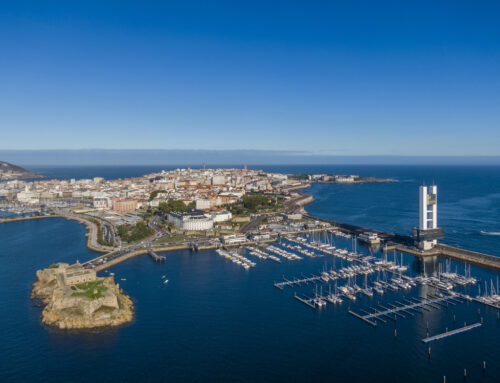
LA Coruña, located on the north-western coast, is known for its vibrant urban life, maritime heritage, and remarkable landmarks, including the Tower of Hercules, a Roman lighthouse that is also a UNESCO World Heritage site.
Ferrol, a significant naval town, features well-preserved historical military architecture and serves as an important base for the Spanish navy.
-
Modern A Coruña
La Coruña Spain boasts a dynamic atmosphere with a blend of modern architecture, cultural facilities, and beautiful beaches.
-
Ferrol’s Heritage
Ferrol’s shipbuilding industry has a historical significance, further complemented by charming streets showcasing a mixture of neoclassical and modernist buildings.
Vigo and Pontevedra
Vigo stands out as Galicia’s largest city, famed for its bustling port, which is crucial for the region’s fishing and seafood industries.
The city’s waterfront is lively and offers stunning views over the Cíes Islands.
Pontevedra, in contrast, is known for its pedestrian-friendly urban layout and artistic atmosphere.
-
Vigo’s Port and Economy
Vigo’s port is one of the main fishing ports in Spain, supporting the local economy through fish markets and seafood processing industries.
-
Pontevedra’s Cultural Scene
Pontevedra Spain fosters a rich cultural environment, home to numerous art galleries, festivals, and historical landmarks, including its charming old town.
Lugo and Ourense
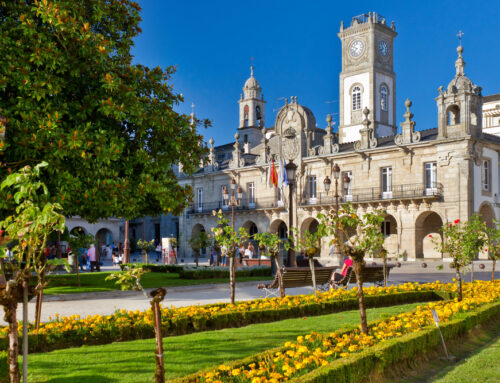
Lugo Spain offers a unique historic dimension with its well-preserved Roman walls, which are also part of the UNESCO World Heritage site.
Ourense Spain, known for its thermal springs, presents a different aspect of Galician life centred on wellness and relaxation.
-
Lugo’s Roman Influence
The Roman walls not only define the city’s landscape but also reflect its rich historical significance that attracts numerous tourists.
-
Ourense’s Thermal Springs
The city is famous for its hot springs, with spa facilities that provide rejuvenating experiences, appealing to both locals and visitors alike.
Transport and Galicia Airport
The transport infrastructure in Galicia Spain is well developed, ensuring connectivity across the region.
The presence of railways and extensive road networks facilitates travel between cities.
-
Galicia Airport
Galicia Airport, also known as Santiago de Compostela Airport, serves as a key gateway for visitors.
It connects the region with major cities across Spain and Europe, enhancing tourism potential.
-
Public Transport
Public transport options include buses and regional trains, providing efficient access to both urban and rural areas, promoting ease of movement throughout the region.
Governance and Political Structure
The governance framework of Galicia showcases its commitment to self-administration, cultural identity, and democratic principles.
With a distinctive political landscape, Galicia operates under a system designed to represent its unique heritage and needs.
The Parliament in Galicia Spain
The Galician Parliament, known as “Parlamento de Galicia,” serves as the legislative body of the autonomous community.
It is composed of 75 deputies who are elected every four years through a proportional representation electoral system.
This structure enables a diverse range of political parties to gain representation, reflecting the region’s varied political spectrum.
The Parliament is responsible for enacting laws, approving budgets, and overseeing the executive government’s activities.
Key responsibilities include:
- Establishing regional legislation on education, health, and local governance.
- Regulating economic development and addressing social issues pertinent to Galician society.
- Promoting the Galician language and protecting local culture and traditions.
The Parliament meets in Santiago de Compostela, illustrating the city’s central role in Galician governance.
The President of the Parliament, elected by the deputies, plays a pivotal role in facilitating discussions and maintaining order during sessions.
Frequently Asked Questions about Galicia Spain
This section addresses common inquiries regarding Galicia Spain, covering its recognition, climatic conditions, and navigating its geographical features.
What is Galicia Known For?
Galicia is recognised for its stunning landscapes, rich cultural heritage, and unique traditions.
Visitors often admire its dramatic coastline, particularly the picturesque rías that characterise its shores.
The region is also famous for its historical significance as a centre of pilgrimage due to the Camino de Santiago, attracting millions of pilgrims to Santiago de Compostela each year.
The culinary scene is another highlight, with local delicacies such as pulpo a la gallega (octopus) and exquisite seafood being at the forefront.
Traditional music, often heartily embraced in various festivals, features the gaita (bagpipe), a central instrument in Galician folk music.
Furthermore, Galicia Spain is home to a vibrant artistic community, with notable contributions in literature, painting, and artisan crafts, reflecting its unique heritage and the resilience of its people.
Weather Patterns and Best Times to Visit
The weather in Galicia is heavily influenced by its Atlantic location, resulting in a mild climate characterised by regular rainfall and moderate temperatures.
The region experiences a significant amount of precipitation, particularly in autumn and winter months, with summers being drier.
The best time to visit generally falls between late spring and early autumn, specifically from May to September.
During these months, the weather tends to be warmer and sunnier, ideal for exploring the outdoors and enjoying the local festivals.
However, even in summer, temperatures are relatively moderate compared to other Spanish regions, making it a pleasant retreat.
How to Navigate the Galicia Map
Navigating Galicia Spain can be facilitated through various means, with an extensive network of roads and public transport available.
The region is well-connected by major motorways, making it relatively easy to travel between cities such as Santiago de Compostela, A Coruña, Vigo, and Lugo.
Regular bus services operate across the region, providing access to more remote areas.
For those keen on exploring rural landscapes and natural parks, rental cars are a popular option, allowing flexibility and the chance to uncover hidden gems off the beaten path.
Hiking trails and scenic routes offer stunning views, enhancing the journey across this picturesque region.
Maps are readily available both online and in print, with many highlighting key attractions, services, and routes, assisting both long-term visitors and those on a short stay to navigate with ease.
Natural Parks and Biodiversity
Galicia Spain boasts a rich array of natural parks and diverse ecosystems, reflecting its unique geographical features and climate influences.
These protected areas play a crucial role in the preservation of flora and fauna, while offering a variety of recreational opportunities.
The Atlantic Islands and National Parks in Galicia Spain
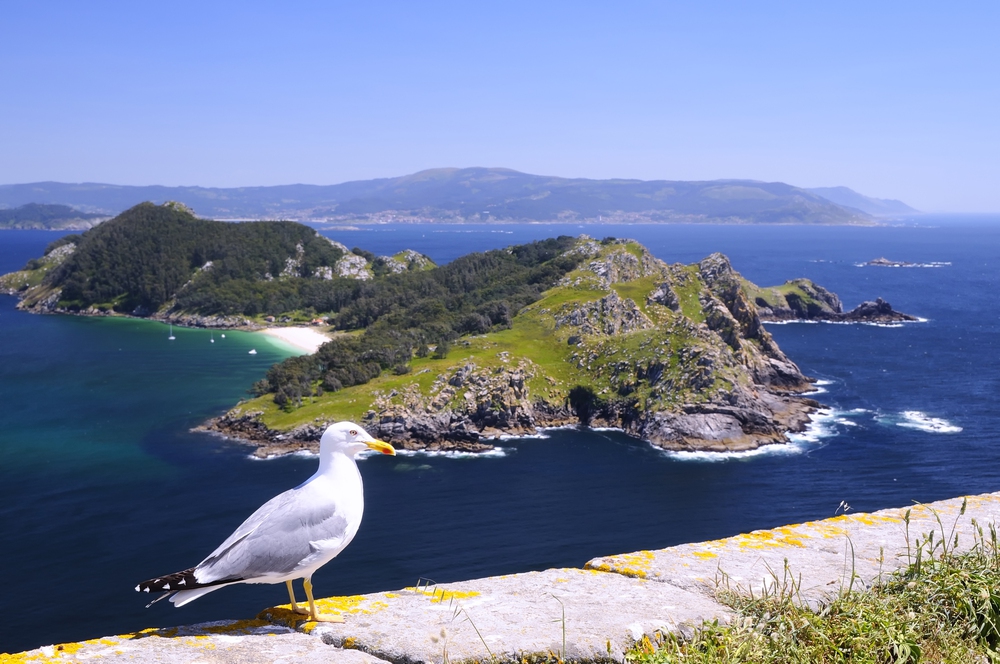
The Atlantic Islands of Galicia National Park is a highlight of the region, comprising an archipelago of stunning islands nestled off the coast.
This park is renowned for its dramatic landscapes, pristine beaches, and rich marine biodiversity.
Key islands include:
- Ons Island: Famous for its sandy beaches and hiking trails, Ons is home to a variety of bird species and unique plant life, making it an ideal spot for nature enthusiasts.
- Cíes Islands: Known for their incredible landscapes, Cíes Islands feature unspoilt beaches and cliffs, attracting many visitors. The islands are also a refuge for seabirds like the yellow-legged gull.
- Guía Island: Smaller and less accessible, Guía offers a quieter experience with opportunities to observe marine life and rare plants.
The national parks are vital not only for conservation but also for research, providing insights into coastal ecosystems and sustainable practices.
Conservation Efforts and Wildlife
Conservation initiatives in Galicia are essential to protect its diverse wildlife and habitats.
Several organisations work tirelessly to maintain and restore natural environments.
Key efforts include:
- Habitat Restoration: Projects aimed at restoring native vegetation help combat the effects of invasive species and climate change.
- Wildlife Monitoring: Ongoing research and monitoring efforts help track population numbers of various species, ensuring effective conservation strategies.
- Community Engagement: Local communities are encouraged to participate in conservation efforts through education and sustainable practices.
This dedication to preserving biodiversity has led to a thriving ecosystem, where species such as the Eurasian otter and various migratory birds coexist in their natural habitats.
Outdoor Activities and Hiking Trails
Galicia’s natural parks offer a plethora of outdoor activities, attracting nature lovers and adventure seekers alike.
Hiking trails wind through verdant landscapes, providing stunning views and access to untouched areas.
Popular trails include:
- The Cíes Islands Trail: This trail showcases breathtaking vistas while allowing visitors to explore diverse ecosystems.
- Ons Island Circular Route: A family-friendly hike that combines coastal views with an opportunity to spot local wildlife.
- The Fragas do Eume Trail: Located in one of Spain’s most pristine forests, this trail offers lush scenery and rich biodiversity.
Other outdoor activities such as kayaking, birdwatching, and cycling further enhance the experience of exploring Galicia’s natural beauty.
The combination of stunning landscapes and diverse ecosystems marks this region as a must-visit for any outdoor enthusiast.
Yours Free
Please click / tap on the image below:
If you would like to read about other important points for living / moving to Spain, here are other useful articles we wrote: