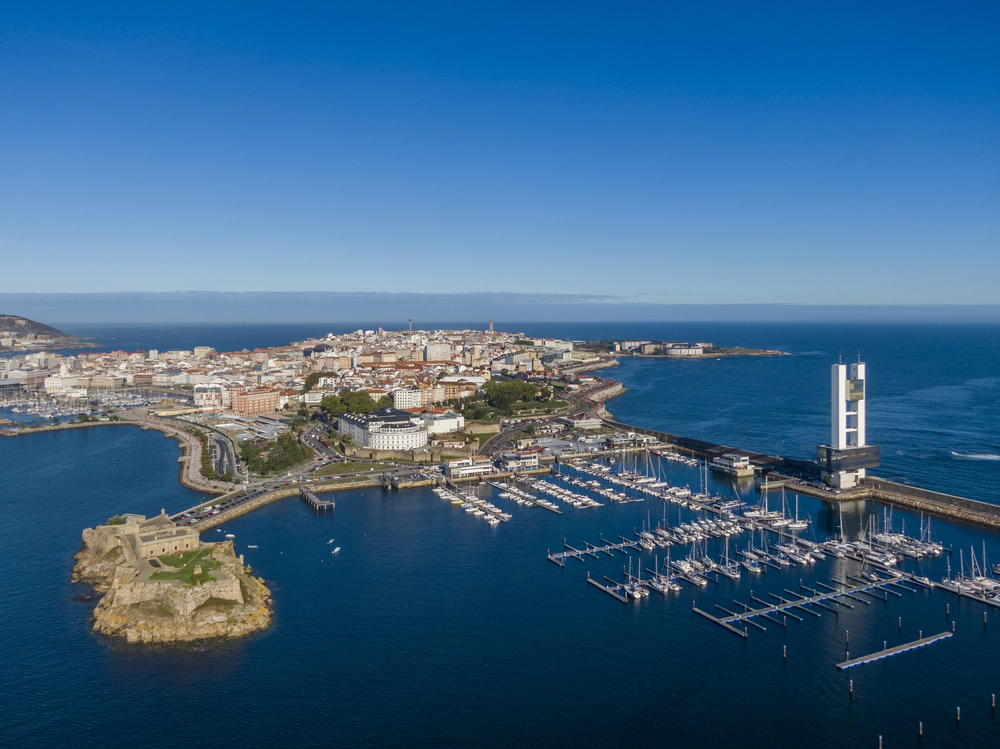
La Coruna Spain, located in the northwest of Spain, is a vibrant city that boasts a rich history and stunning coastal views.
Known for its unique blend of cultural influences, it has become a popular destination for visitors.
The city’s historical significance dates back to Roman times, with various landmarks showcasing its heritage.
La Coruna offers a lively atmosphere, making it an ideal place to explore its streets, enjoy local cuisine, and experience traditional festivities.

Before we start… Yours Free
Please click / tap on the image below:

Historical Background of La Coruna Spain
The history of La Coruna is a rich tapestry woven from Roman, medieval, and modern influences.
Over the centuries, the city’s strategic location has fostered trade, culture, and resilience.
Roman Origins and Development
The origins of La Coruna Spain can be traced back to Roman times when it was known as “Brigantium.”
This settlement was strategically important due to its natural harbour, which facilitated maritime trade.
The Romans established various infrastructures, including roads that connected to other significant urban centres in the region.
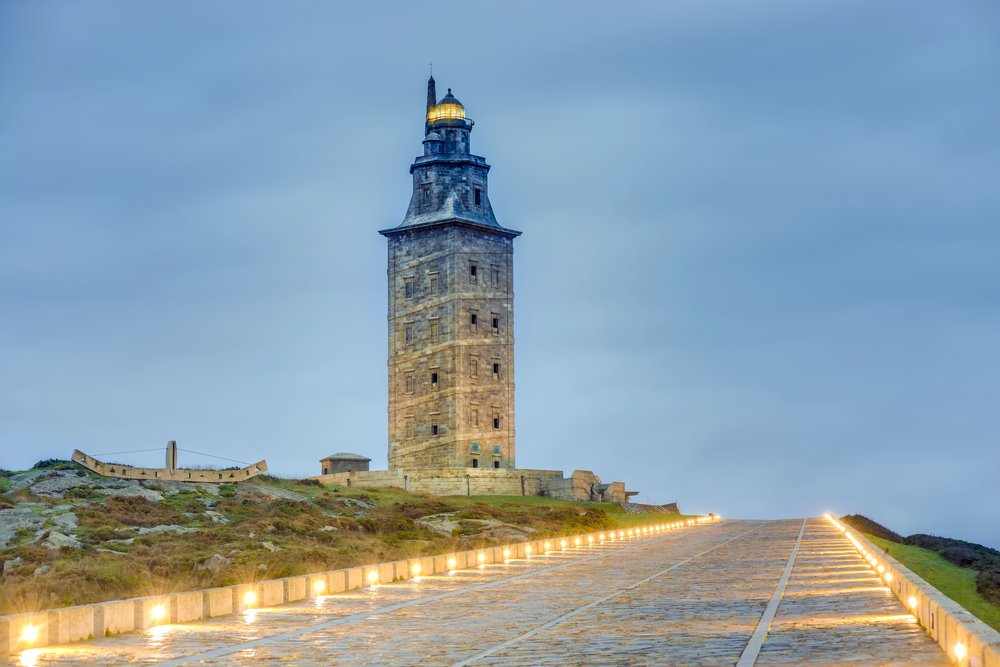
Among the most notable remnants of this era is the Tower of Hercules.
This ancient lighthouse, constructed in the first century AD, is the oldest lighthouse still in operation today.
It served as a beacon for seafarers, guiding them safely to the shores of Galicia Spain.
The Roman influence remains evident through the architectural remnants and urban layout of the city.
Medieval Significance of La Coruna Spain
During the Middle Ages, La Coruna Spain developed into a central hub for commerce and culture.
Its port became increasingly vital, especially as trade routes expanded throughout Europe.
This period saw a flourishing of local art, literature, and architecture.
Connections to Santiago de Compostela
La Coruna’s proximity to Santiago de Compostela, the endpoint of the famed Camino de Santiago pilgrimage, further strengthened its cultural significance.
Pilgrims travelling to Santiago often passed through La Coruna Spain, which established it as an essential stopover with facilities and hospitality for weary travelers.
This connection helped shape the city’s identity, drawing people from various regions and facilitating cultural exchanges.
19th and 20th Century Events
The rise of the 19th century marked substantial industrial growth in La Coruna.
As the city transformed, shipbuilding and fishing industries flourished, propelling economic development and urban expansion.
The construction of railways connected the city more effectively to other parts of Spain, enhancing its status as a commercial centre.
The 20th century was marked by turmoil, including the impact of the Spanish Civil War, which saw La Coruna play a key role; however, the resilience of its residents helped the city to recover and grow.
Post-war reconstruction led to modern developments while preserving key historical sites, ensuring that the historical narrative intertwined with contemporary life in La Coruna Spain.
Exploring the City
La Coruña boasts a variety of attractions, blending historical depth with modern vibrancy.
Ourense Spain is around 175 kilometers away from La Coruña.
The exploration of the city reveals its character through stunning architecture, notable landmarks, and rich cultural experiences.
The Old City and Its Charm
The Old City, or Ciudad Vieja, embodies the essence of La Coruña’s history.
Its narrow streets are lined with beautifully preserved buildings that showcase different architectural styles.
The atmosphere is particularly enchanting, especially in the early evening when the lights illuminate the surroundings.
Architectural Highlights
Among the architectural treasures, the medieval churches and palaces stand out.
The striking Romanesque-style Church of Santa María del Campo and the elegant 18th-century Casa de las Ciencias exemplify the city’s diverse architectural heritage.
Wandering through the cobbled streets, one can appreciate the fusion of styles that mark La Coruña’s long history.
Maria Pita Square
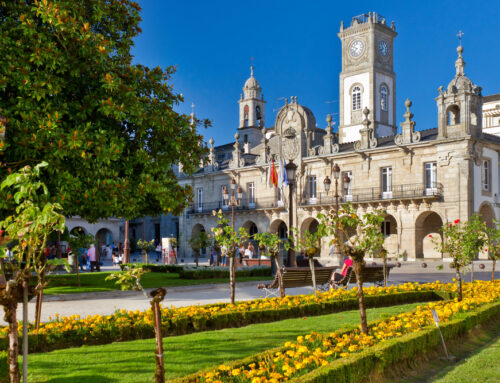
Maria Pita Square serves as the heart of the Old City. Named after the heroine who defended the city against English pirates, the square is surrounded by elegant buildings, cafés, and shops.
Residents and visitors alike gather here, especially during festivals and public celebrations, making it a vibrant focal point of urban life.
Iconic Landmarks
La Coruña Spain is home to a number of iconic landmarks that reflect its rich history and stunning coastal location.
These sites are not only historically significant but also provide an insight into the city’s cultural identity.
The Tower of Hercules
The Tower of Hercules stands as the most iconic symbol of La Coruña Spain.
This ancient Roman lighthouse not only serves as a functioning navigation aid but also as a UNESCO World Heritage Site.
Visitors can ascend the tower to take in breathtaking views of the Atlantic Ocean and the surrounding landscape.
San Anton Castle
San Anton Castle, located on a small island just offshore, was originally built to protect the port.
Today, it has been transformed into the Museum of Archaeology and is accessible via a scenic walk.
The castle’s ruins and the surrounding sea create a picturesque setting for history enthusiasts.
Town Hall and Other Civic Buildings
The Town Hall of La Coruña Spain, an exquisite example of neoclassical architecture, is located in the Plaza de Maria Pita and features impressive statues and intricate designs.
Other significant civic buildings, such as the courts and the provincial government headquarters, add to the architectural charm of the area.
Cultural Institutions
La Coruña’s cultural landscape is enriched by various institutions dedicated to the promotion of art and science.
These venues play a crucial role in the city’s educational and cultural development.
Science and Technology Museum
The Science and Technology Museum offers insight into the scientific advancements and technological innovations that have shaped both the region and Spain.
Its interactive exhibits and charming location make it a popular destination for families and school groups, fostering a love for learning and exploration.
The Vibrant Culture of La Coruna
The cultural landscape of La Coruna Spain is a celebration of its traditions and heritage.
From captivating music to lively festivals, the city encapsulates the spirit of Galicia in myriad forms.
Pontevedra Spain is around 135km away from La Coruña.
Traditional Music and Dance
Music and dance are core elements of the cultural fabric in La Coruna Spain.
The vibrant sounds often resonate through the streets and public squares, showcasing a blend of historical influences and local traditions.
The Role of Gaitas
The gaita, a type of bagpipe, holds a significant place in Galician folk music.
Often played at celebrations and festivals, this instrument adds a unique sound that is instantly recognisable.
The music produced by gaitas often accompanies traditional dances, creating a festive atmosphere that draws both locals and visitors alike.
Throughout the year, various events feature performances highlighting the skills of gaita players.
These live shows not only honour the traditions but also serve as a way for the younger generation to connect with their cultural roots.
The melodies of the gaitas have become symbols of pride and identity for the people of Galicia.
Annual Festivals and Celebrations
The festive calendar in La Coruna is brimming with events that celebrate both history and community spirit.
Each festival reflects the cultural richness of the area, attracting attendees from far and wide.
The San Juan Bonfires
One of the most notable celebrations is the Fiesta de San Juan, which takes place annually on the night of June 23rd.
This event marks the arrival of summer and is rooted in ancient customs related to the summer solstice.
Locals gather on the beaches, particularly at Orzan and Riazor, to light bonfires and jump over the flames, a practice believed to bring good luck.
The atmosphere is lively, filled with music, dancing, and communal feasting.
Families and friends come together, creating a sense of unity and joy as they participate in various activities throughout the night, making it a truly memorable experience.
Festivities for the Virgin of the Rosary
Another significant event is the celebration of the Virgin of the Rosary, which takes place in October.
This festivity includes vibrant processions, cultural exhibitions, and traditional prayers.
The streets of La Coruna Spain come alive as participants wear traditional attire and showcase their devotion to the Virgin.
During these festivities, the air is filled with the aroma of local dishes from food stalls, enhancing the communal experience.
This celebration not only serves to honour the Virgin but also strengthens community bonds as locals unite in shared customs and beliefs.
Gastronomy Delights
The culinary scene in La Coruña is a delightful reflection of its coastal location and rich traditions.
The city’s gastronomy is characterised by fresh ingredients sourced from the surrounding waters and fertile lands.
Signature dishes showcase the unique flavours of the region.
Local Specialities
Pulpo a la Gallega
Pulpo a la Gallega, or Galician-style octopus, is a quintessential dish in La Coruña Spain that epitomises the region’s seafood heritage.
The octopus is typically boiled until tender, then sliced and served with a sprinkle of coarse sea salt, paprika, and a drizzle of olive oil.
It is often accompanied by slices of boiled potatoes, which absorb the flavours of the dish.
This simple yet delectable preparation highlights the freshness of the octopus while allowing the spices to enhance its natural flavour.
Empanada Gallega
Empanada Gallega is another traditional delicacy that is well-loved by locals and visitors alike.
This savoury pie features a flaky pastry crust filled with a variety of fillings, commonly including tuna, beef, or vegetables.
The filling is seasoned with onions, peppers, and spices, creating a burst of flavour with every bite.
Empanada Gallega is versatile, making it suitable for any occasion, from informal picnics to festive celebrations.
Yours Free
Please click / tap on the image below:
The Influence of the Atlantic Ocean
The Atlantic Ocean significantly influences the culinary landscape of La Coruña, as it happens in Lugo Spain.
The abundance of seafood available in the region’s waters leads to an array of dishes centred around fish, shellfish, and crustaceans.
Fresh catches such as sardines, mussels, and scallops are celebrated staples in the local cuisine.
The proximity to the ocean ensures that seafood is not only fresh but is often served in traditional styles that pay homage to Galician heritage.
Exploring Local Markets
Local markets are a vibrant part of La Coruña’s gastronomy scene.
The Mercado de la Plaza de Lugo is one of the most popular markets, where locals gather to purchase fresh produce, seafood, and regional specialties.
Shoppers can find everything from locally-sourced vegetables to artisan cheeses.
The lively atmosphere of the market showcases the community’s passion for high-quality ingredients.
Visitors often find that sampling the offerings from the market is an excellent way to immerse themselves in the local culture and culinary traditions.
Outdoor Activities and Natural Beauty
La Coruna Spain boasts a stunning coastal landscape that invites a wide range of outdoor activities.
From its beautiful beaches to lush nature trails, the city offers ample opportunities for nature lovers and adventure seekers alike.
Beaches: Riazor and Orzan
The beaches of Riazor and Orzan are two of the most popular spots for both locals and tourists.
Riazor, with its golden sands and inviting waves, is ideal for sunbathing, swimming, and beach sports.
The promenade is lined with cafes and bars, providing perfect spots to relax with a drink as the sun sets.
Orzan, located adjacent to Riazor, offers a slightly quieter atmosphere.
The beach is popular for surfing and paddleboarding, attracting enthusiasts looking to ride the waves.
Both beaches are well-equipped with facilities, including showers and lifeguards, ensuring a safe and enjoyable experience.
Hiking and Nature Walks
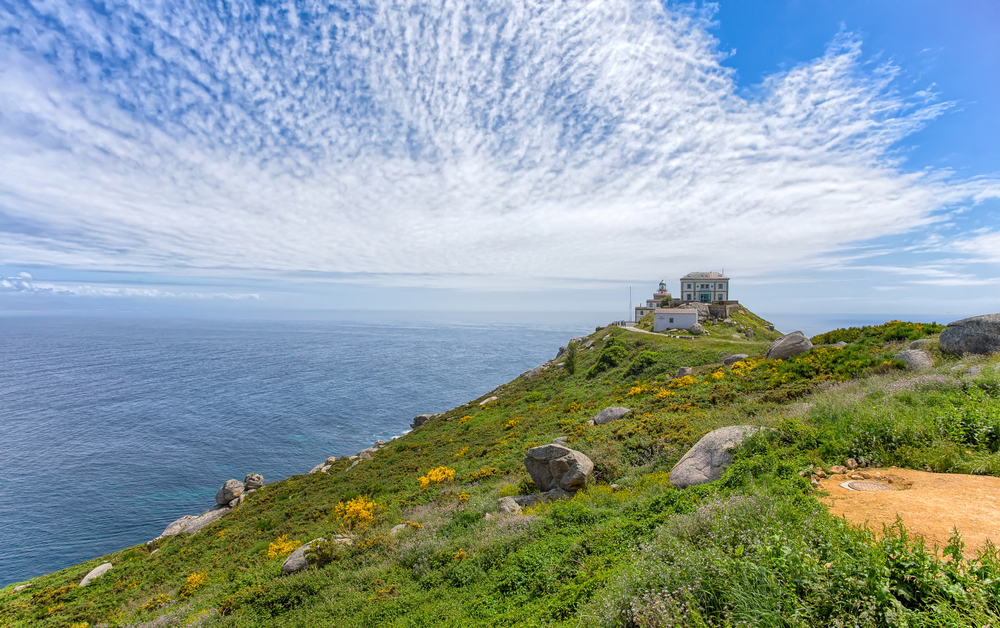
The surrounding areas of La Coruna Spain feature various trails that showcase the region’s natural beauty.
Walking and hiking paths wind through lush green landscapes, cliffs, and coastal views.
Popular routes include the scenic coastal path that connects different viewpoints along the coastline, offering stunning perspectives of the Atlantic Ocean.
Caminos in nearby parks, such as the Parque de la Torre de Hércules, provide peaceful settings for leisurely strolls or vigorous hikes.
Nature enthusiasts can expect to see diverse flora and fauna, making each outing a unique experience.
The views from many of the trails are expansive, often revealing dramatic sea cliffs and picturesque landscapes.
The Aquarium Finisterrae Experience
A visit to the Aquarium Finisterrae is an excellent way to connect with the marine life of the Atlantic Ocean.
This interactive aquarium offers insights into the aquatic ecosystems found off the coast of Galicia.
It features a variety of exhibits showcasing local species, including fish, seals, and other sea creatures.
The Ocean Tank, one of the aquarium’s main attractions, allows visitors to observe sharks and various marine species up close through a massive viewing window.
Educational programs and feeding sessions engage visitors of all ages, making it a family-friendly destination.
The aquarium also provides outdoor areas where guests can walk and enjoy views of the nearby coastline.
Practical Information for Visitors
La Coruna Spain is an accessible city, making it convenient for visitors to explore its cultural and natural offerings.
Below are key details regarding transport options, city navigation, and accommodation choices.
Getting to La Coruna
La Coruna can be reached easily by various means of transportation, including air travel and ground transport.
Air and Land Transport Options
The city is served by La Coruna, located just a few kilometres from the city centre.
This airport offers regular flights from major Spanish cities and select international destinations.
Visitors can find numerous car rental services at the airport, enabling easy mobility around the region.
Additionally, the Renfe train station provides connections to other cities within Spain, ensuring a smooth travel experience.
Long-distance buses also operate from La Coruna Spain, with the main bus station connecting to various Spanish regions, making it a practical choice for budget-conscious travellers.
Moving Around the City
Once in La Coruna, moving around is straightforward, with several options available to suit different preferences and needs.
Public Transport and Taxis
- The city features an efficient bus system that reaches most neighbourhoods and attractions. Regular services run frequently, providing a reliable means of transport.
- Taxis are readily available throughout La Coruna Spain and can be hailed from the street or booked via local services. They offer a convenient option for visitors preferring door-to-door travel.
- Biking is another popular choice, with various bike rental schemes around the city, allowing for flexible exploration at a leisurely pace.
Accommodation and Lodging Options
La Coruna boasts a diverse range of accommodation choices to cater to all types of visitors, from budget travellers to those seeking luxury.
- Hotels span from charming boutique establishments to internationally recognised chains, often located near key attractions.
- Hostels and guesthouses are available for those looking to save costs while still enjoying a comfortable stay.
- For a more local experience, various holiday apartments can be found, providing a homely atmosphere and the option to self-cater.
Visitors are encouraged to book accommodation in advance, particularly during peak seasons, to ensure availability and the best possible rates.
The Weather: What to Expect
Understanding the weather conditions in La Coruña Spain is essential for planning an enjoyable visit.
The city’s climate is influenced by its coastal location, resulting in a maritime climate that offers mild temperatures and variable weather throughout the year.
Typical Climate Conditions
La Coruña experiences a maritime climate characterised by warm summers and cool, wet winters.
Precipitation is common, particularly in the winter months, making it one of the wetter regions in Spain. Here are some key weather details:
- Summer (June to August): Average temperatures range from 20°C to 25°C. This period is generally pleasant, drawing both locals and tourists to the beaches. Rainfall is less frequent during these months, providing more sunny days.
- Autumn (September to November): Temperatures begin to cool, with averages between 15°C and 21°C. Rainfall increases, especially in late autumn. However, September can still offer quite warm days.
- Winter (December to February): Winters are mildly cold, with averages ranging from 8°C to 15°C. This season sees higher levels of rainfall and occasional storms. Snow is rare, but overcast skies are common.
- Spring (March to May): Spring gradually warms up, with temperatures increasing from around 10°C to 18°C. Weather can be unpredictable, with a mix of sunny and rainy days. Blossoms and greenery make this a lovely time to explore.
Best Times for Visiting
The best time to visit La Coruña Spain generally aligns with the warm summer months, particularly from June to September.
These months provide the perfect weather for outdoor activities and beachgoers.
Spring is also enjoyable for those who prefer milder temperatures and fewer crowds.
However, it is advisable to prepare for some rain regardless of the season, as precipitation is a part of life in this coastal city.
Packing layers is recommended due to the variability in daily temperatures.
Visiting during the off-peak months, such as late September or October, can also be rewarding.
The weather is still mild, and the tourist crowds have thinned, making it easier to enjoy the local attractions and cultural events.
Yours Free
Please click / tap on the image below:
If you would like to read about other important points for living / moving to Spain, here are other useful articles we wrote: