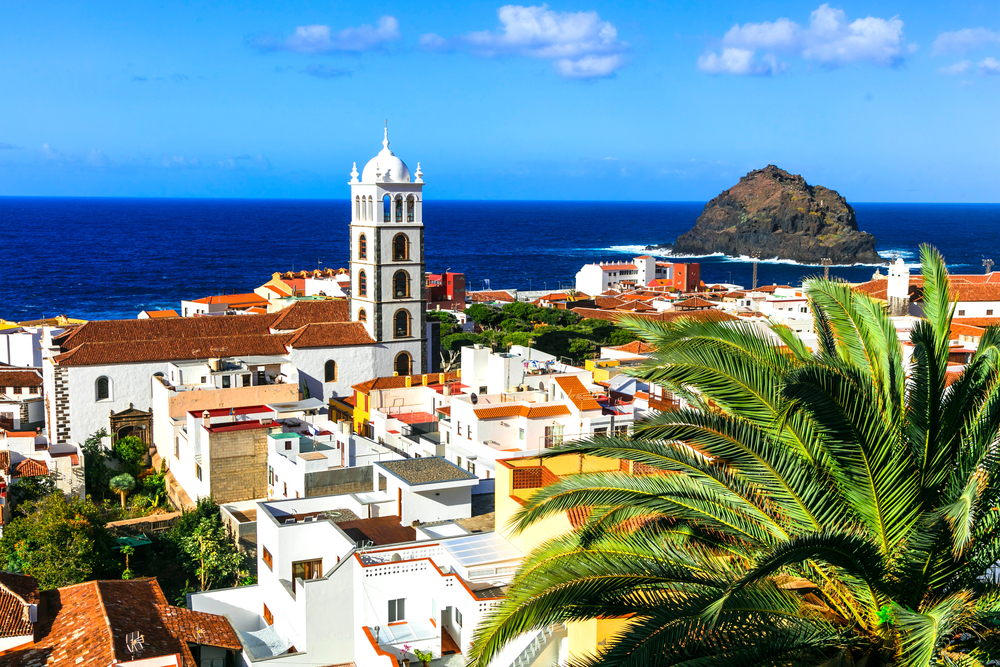
Tenerife is the largest of the Canary Islands, located off the northwest coast of Africa.
Known for its stunning landscapes, the island features volcanic mountains, beautiful beaches, and a subtropical climate.
The culture of Tenerife is rich and diverse, influenced by its indigenous heritage and Spanish colonial history.
It offers a variety of attractions, including natural parks, vibrant festivals, and historical sites.

Before we start… Yours Free
Please click / tap on the image below:

History of Tenerife Spain
The history of Tenerife is a tapestry woven from rich cultural narratives, remarkable transformations, and a blend of indigenous and foreign influences.
This historical journey reveals how the island’s past shapes its present identity.
Guanche Heritage
Before the arrival of the Spanish conquerors, Tenerife Spain was inhabited by the Guanches, an indigenous people of Berber descent.
Their history is deeply rooted in the island, and archaeological findings provide substantial insight into their way of life.
The Guanches were organised into tribes, each led by a mencey, or king.
Their society was primarily agricultural and pastoral, with a strong emphasis on respecting nature.
-
Social Structure
The social organisation of the Guanches was complex, with evidence of well-defined roles within their tribes.
They were skilled in various crafts, including pottery and weaving, and their spiritual beliefs were closely tied to their ancestors.
-
Religious Beliefs
Religion played a crucial role in their culture, with numerous rituals and beliefs centred around natural elements.
They worshipped gods related to nature and the sun, which influenced their agricultural cycles.
Spanish Conquest
The conquest of Tenerife Spain by Spanish forces occurred between 1496 and 1498, marking a significant turning point in the island’s history.
The Spanish arrived with superior military technology and tactics, which the Guanches could not match.
Resistance was fierce, and notable battles, such as the Battle of La Laguna, highlighted the Guanches’ bravery.
Ultimately, the Spanish conquest led to the decline of the indigenous population and the imposition of Spanish rule.
-
Impact of Colonial Rule
The arrival of the Spanish resulted in dramatic changes.
Traditional Guanche practices and beliefs were suppressed, while the island’s governance shifted to accommodate the interests of the Crown.
Colonial Legacy
Under colonial rule, Tenerife transformed economically and socially.
The introduction of new agricultural practices and crops, such as sugar cane and later wine production, significantly enhanced the island’s economy.
This period saw the development of trade routes, with Tenerife serving as a crucial stop between Europe and the Americas.
The legacy of this era is visible in the island’s architecture and cultural practices that blend indigenous and Spanish elements.
Emigration to the Americas
The late 19th and early 20th centuries were marked by significant emigration from Tenerife to the Americas.
Many islanders sought better economic opportunities in regions such as Venezuela, Cuba, and Argentina.
This emigration resulted in a diaspora that maintained strong cultural ties to Tenerife Spain, enriching both the local communities overseas and the culture back home.
Military Heritage
Tenerife’s strategic location made it a military focal point over the centuries.
The island was a target during various conflicts, including the Napoleonic Wars and the Spanish Civil War.
Numerous fortifications and military structures built during these periods still stand today.
They serve as a reminder of the island’s tumultuous past and its vital role in maritime strategies.
Preservation of Historical Sites
Efforts are ongoing to preserve the historical military architecture, allowing visitors to explore Tenerife’s past.
Sites such as the Castillo de San Juan and the fortifications in Santa Cruz provide insight into the island’s defensive history.
Geography and Nature
Tenerife boasts a diverse landscape characterised by its volcanic origins and vibrant ecosystems.
From majestic mountains to stunning coastlines, the geographical features create a unique natural environment that is both breathtaking and ecologically significant.
Volcanic Landscapes
The island’s volcanic origins are evident in its dramatic topography.
The residual effects of ancient volcanic activity have sculpted Tenerife Spain into a land of contrasts.
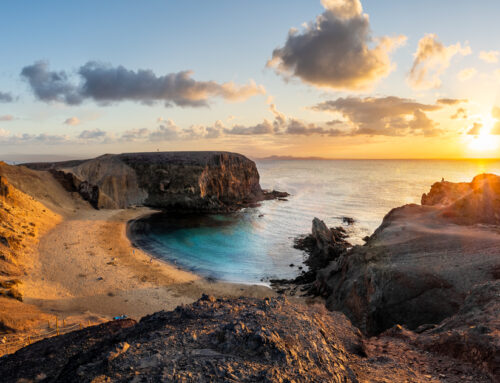
Rugged cliffs, deep ravines, and black sandy beaches provide a striking contrast to lush valleys and fertile plains, in some places reminiscent of the volcanic landscapes of Lanzarote Spain.
The fertile soil resulting from volcanic ash supports a rich array of vegetation which flourishes in this environment.
Climate and Weather Patterns
Tenerife enjoys a subtropical climate, which makes it a desirable destination year-round.
The island benefits from mild winters and warm summers. Weather patterns can vary significantly due to its varied topography.
- Temperature: Daytime temperatures typically range from 19°C in winter to 30°C in summer.
- Precipitation: Most rainfall occurs between October and March, while the summer months tend to be drier.
- Microclimates: The diverse geography creates several microclimates, leading to variations in weather across the island. Coastal regions can be quite sunny, while the northern parts may see more cloud cover.
Mount Teide and Teide National Park
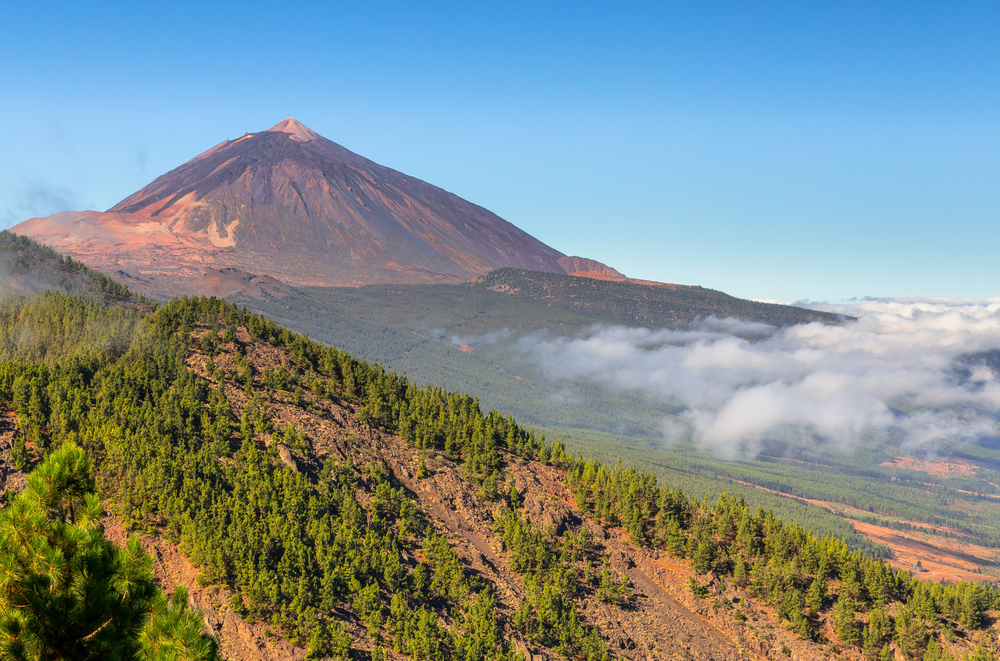
Mount Teide is the tallest peak in Spain, reaching 3,718 metres above sea level.
It is a dominant feature of the island and is surrounded by a national park that offers unparalleled natural beauty.
Geological Significance
The formation of Mount Teide and the surrounding landscape is of great geological interest.
It is a stratovolcano, which means it has been shaped by both explosive eruptions and gradual lava flows.
The age of the volcano and its active status make it an important subject of study for volcanologists.
Fauna and Flora
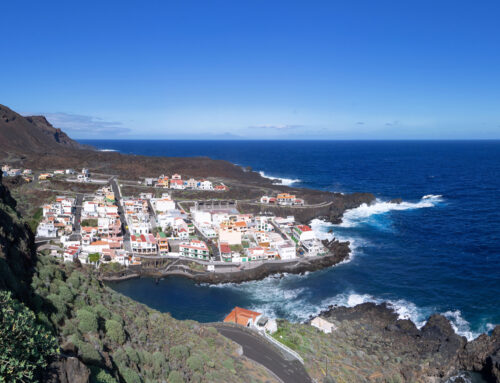
The national park is home to unique wildlife and plant species, a natural wealth that also distinguishes quieter islands like El Hierro Spain.
The varied altitude and climate support diverse ecosystems, including:
- Endemic plants: Species like the Teide violet can only be found on the island.
- Wildlife: Birds such as the Tenerife blue chaffinch and the buzzard inhabit the areas within the park.
- Flora diversity: The flora ranges from lowland scrub to high-altitude plants adapted to rocky environments.
Protected Natural Areas
Tenerife Spain boasts several protected areas that conserve its natural beauty and biodiversity.
These areas are critical for preserving both wildlife and unique ecosystems.
- Teide National Park: A UNESCO World Heritage site that showcases the island’s volcanic heritage.
- Anaga Rural Park: Rich in laurel forests and home to numerous endemic species, it provides significant ecological value and hiking opportunities.
- Rural Park of Teno: Known for its dramatic cliffs and traditional agricultural practices, offering spectacular views and rich biodiversity.
Cultural Richness
Tenerife is a vibrant tapestry of cultural expressions, deeply rooted in its unique history and diverse influences.
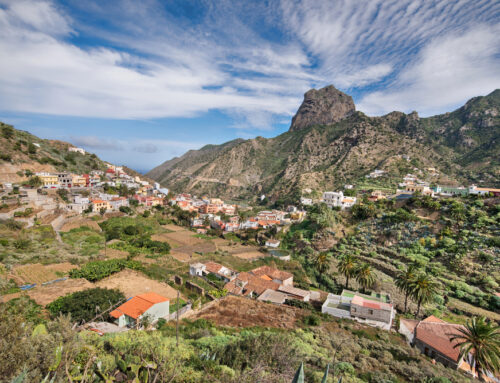
The island’s cultural richness is reflected across various artistic mediums, traditional festivities, and enduring customs that showcase the identity of its people, with traditions that find parallels in places like La Gomera Spain.
Literature and Arts
The literary scene of Tenerife Spain has flourished, with authors capturing the essence of island life through poetry, storytelling, and essays.
Writers often draw inspiration from the natural beauty and complex history of the island, creating works that resonate with both locals and visitors alike.
The arts community is also dynamic, incorporating traditional methods alongside contemporary influences.
Visual artists produce paintings and sculptures that reflect the island’s landscape and cultural identity.
Music and Dance
Music is a vital element of Tenerife’s cultural scene, encompassing a wide range of genres that reflect the island’s diverse heritage.
From traditional folk music to modern rhythms, the melodies of Tenerife Spain evoke passion and festivity.
Dance, closely linked to musical traditions, plays a significant role in cultural celebrations.
Performances often involve colourful costumes and energetic choreography, bringing communities together in joyous displays of shared heritage.
Traditional Celebrations
The island’s calendar is filled with traditional celebrations, each providing a glimpse into its rich cultural fabric. These events unite residents, celebrating shared values and local customs.
Carnival of Santa Cruz
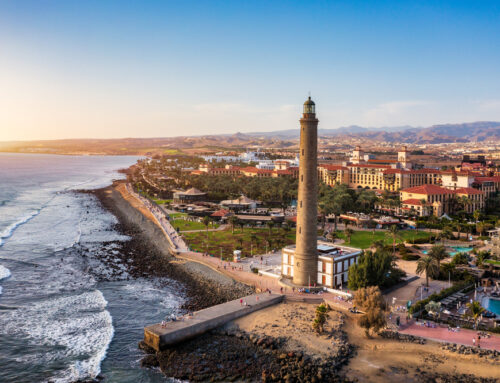
The Carnival of Santa Cruz is one of the most famous celebrations on the island, comparable in popularity to some events held in Gran Canaria Spain, recognised worldwide for its extravagant parades and vibrant atmosphere.
It typically takes place in February and lasts for several weeks, featuring elaborate floats, colourful costumes, and infectious music.
The event honours a mix of pagan and religious traditions, showcasing Tenerife’s ability to blend the old with the new in fantastic displays of creativity.
Romerías and Religious Festivals
Romerías are traditional pilgrimages that reflect the island’s deep-rooted religious customs.
These events often involve processions where participants dress in traditional attire and carry offerings to local sanctuaries.
The celebrations blend religious fervour with community spirit, featuring music, food, and dance along the journey.
Other religious festivals, such as those dedicated to specific patron saints, also play a key role in preserving cultural identity and fostering social ties among residents.
Local Crafts
Cultural craftsmanship in Tenerife thrives, with artisans preserving traditional techniques passed down through generations.
Local crafts include ceramics, textiles, and basket weaving, all of which reflect the island’s artistic heritage.
Markets and workshops often showcase these crafts, allowing visitors to appreciate the skill involved and the stories behind each piece.
This section of the culture not only enriches the local economy but also serves as a connection to Tenerife’s past, embodying the creativity and resilience of its people.
Economy and Living
The economy of Tenerife Spain is characterised by a combination of traditional industries and a thriving tourism sector.
As one of the top holiday destinations in Spain, the island has developed a diverse economy that also includes agriculture, fishing, and growing renewable energy initiatives.
Tourism Industry
The tourism industry stands as the backbone of Tenerife’s economy, as is the case in tourist destinations such as Fuerteventura Spain, attracting millions of visitors each year.
The island’s splendid climate, stunning landscapes, and rich cultural heritage make it a top choice for holidaymakers from around the world.
Yours Free
Please click / tap on the image below:
Popular Attractions
Visitors are drawn to numerous attractions, which play a vital role in the island’s economic sustainability. Key sites include:
- Natural parks such as the Teide National Park
- Beaches like Playa de las Américas
- Cultural landmarks, including the historical town of La Laguna
- Exciting entertainment venues and nightlife
Each attraction contributes to a steady influx of tourists, ensuring that local businesses thrive and the workforce remains engaged in a variety of hospitality and service-oriented jobs.
Siam Park and Other Highlights
One of the crown jewels of the tourism sector is Siam Park, consistently voted one of the best water parks in the world.
This Thai-themed water park offers thrilling rides and relaxation areas, catering to families and adventure seekers alike.
Other notable highlights include Loro Parque, an acclaimed zoo and marine park featuring a diverse collection of wildlife and entertaining shows.
These attractions not only bolster the tourism industry but also promote conservation and education about the environment.
Agriculture and Fishing
Despite the tourism boom, agriculture and fishing remain crucial components of Tenerife’s economic landscape.
The island is renowned for its agricultural products, with a focus on:
- Bananas, which are a significant export
- Wines, particularly the local varieties produced in established vineyards
- Gofio, a traditional flour made from roasted grains
Fishing also plays a role in local life, with many relying on the sea for livelihoods.
Diverse marine resources contribute not only to the economy but also to the unique culinary landscape of the island.
Renewable Energy Initiatives
In recent years, Tenerife has embraced renewable energy initiatives to create a more sustainable future.
The island is making strides in diversifying its energy matrix, focusing on:
- Solar energy, capitalising on its abundant sunshine
- Wind energy, with various projects underway to harness wind resources
These initiatives aim to reduce reliance on imported fossil fuels and lower the environmental impact of tourism and local industries.
As the focus on sustainability grows, the transition to renewable sources reflects a commitment to protecting the island’s natural beauty and resources.
Places to Explore
Tenerife is home to a variety of captivating locations, each offering unique experiences for visitors.
From historic towns to stunning coastal areas, there is much to be discovered across the island.
San Cristobal de La Laguna and UNESCO World Heritage Sites
San Cristobal de La Laguna, a UNESCO World Heritage Site, is one of Tenerife’s most important historical towns.
Founded in the 15th century, it served as the island’s capital until the 18th century.
The town is characterised by its well-preserved colonial architecture and a network of streets that reflect its historical significance.
- The Cathedral of La Laguna, known for its impressive neoclassical facade, stands prominently in the town centre.
- Walking through the streets, visitors can see traditional houses adorned with wooden balconies, showcasing typical Canarian design.
- La Laguna is also home to several museums, including the Museum of Science and the Cosmos, which offers captivating exhibits on astronomy and physics.
Santa Cruz de Tenerife: The Capital
Santa Cruz de Tenerife is the bustling capital of the island, known for its lively atmosphere and rich cultural scene.
This vibrant city combines modern architecture with historical landmarks, making it a diverse place to explore.
- The Auditorio de Tenerife Spain, designed by architect Santiago Calatrava, is an iconic symbol of the city and hosts various concerts and events throughout the year.
- The city also features the stunning Parque Garcia Sanabria, a botanical garden filled with diverse flora and walking paths, perfect for leisurely strolls.
- Santa Cruz is famous for its carnival celebrations, considered one of the most spectacular in the world, attracting visitors from all over.
Coastal Towns and Las Americas
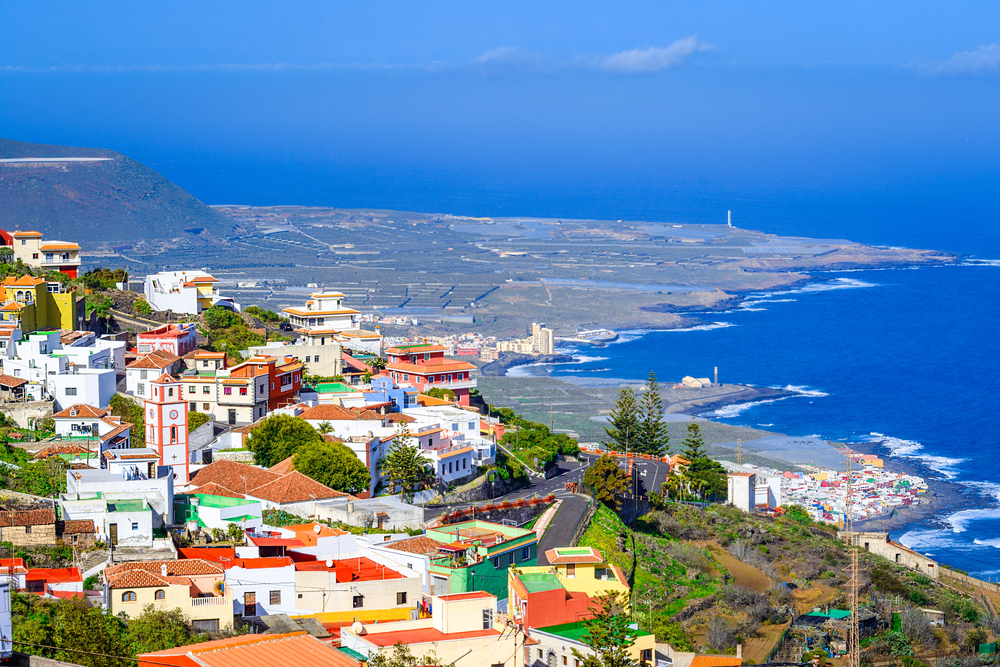
The coastal areas of Tenerife boast sunny beaches and a wide array of water activities.
The ferry between the island La Palma Spain and Tenerife takes around 6 hours.
The southern region, particularly around Playa de las Américas, is popular for its tourist amenities, vibrant nightlife, and beautiful waters.
- Playa de las Américas offers golden sands and clear waters, making it ideal for sunbathing and swimming.
- Nearby Costa Adeje is known for its luxury resorts and high-end shopping, catering to those seeking a more upscale experience.
- Further along the coast, the town of Los Cristianos is charming, with a picturesque harbour that features fish restaurants and local boutiques.
Archaeological Sites
Tenerife is rich in archaeological heritage, showcasing remnants of the ancient Guanche civilisation that once inhabited the island.
Exploring these sites provides insight into the island’s historical roots.
- The Pyramids of Güímar, a series of step pyramids that some believe to be related to ancient cultures, offer guided tours and a visitor centre.
- Another significant site is Cueva del Viento, one of the longest volcanic tubes in the world, featuring fascinating rock formations and the chance to learn about volcanic activity in the region.
- The Museum of the History of Tenerife, located in La Laguna, provides an expansive look at the island’s past, including artefacts and exhibits related to the Guanche culture.
FAQs About Tenerife
This section addresses some of the most common queries regarding Tenerife, focusing on its uniqueness, climate, attractions, and cultural experiences.
What makes Tenerife unique among Canary Islands?
Tenerife Spain stands out in the Canary Islands for several reasons.
Firstly, it is the largest island, offering diverse landscapes ranging from lush forests to arid desert-like areas.
The island is home to Mount Teide, the highest peak in Spain, which provides a dramatic backdrop and serves as a prominent landmark.
The rich cultural heritage is another distinguishing factor.
Tenerife’s history, shaped by the indigenous Guanches and Spanish colonisation, creates a unique blend of traditions, languages, and cuisines.
The island also hosts numerous festivals, including the world-famous Carnival of Santa Cruz, which attracts visitors worldwide.
Moreover, Tenerife’s climate is subtropical with mild temperatures year-round, making it a favoured destination for sun-seekers.
The variety of microclimates across the island enhances its biodiversity, boasting unique flora and fauna not found elsewhere.
How is the weather throughout the year?
The weather in Tenerife is generally mild and pleasant, which contributes to the island’s popularity.
Temperatures typically range from 18°C to 24°C in the winter months (December to February) and can reach up to 30°C in the summer (June to August).
Rainfall is more common in winter, particularly in the northern part of the island, where the landscape can be lush and green.
In contrast, the southern areas tend to be drier and sunnier, making them ideal for beach activities.
- Winter (December to February): Mild temperatures, more rainfall.
- Spring (March to May): Warming up; generally dry and sunny.
- Summer (June to August): Hot and dry; great for beachgoers.
- Autumn (September to November): Warm temperatures, occasional rain, particularly later in the season.
What are the must-visit attractions?
Tenerife Spain boasts countless attractions that cater to various interests.
Some must-visit locations include:
- Mount Teide National Park: A UNESCO World Heritage site showcasing stunning volcanic landscapes and diverse ecosystems.
- Santa Cruz de Tenerife: The capital city, known for its vibrant culture, shopping areas, and historical sites.
- Los Cristianos and Playa de Las Américas: Popular resorts with beautiful beaches and an array of dining and entertainment options.
- Siam Park: An award-winning water park that reflects Thai architecture and offers a variety of thrilling water rides.
- Pyramids of Güímar: A fascinating archaeological site featuring step pyramids that evoke curiosity about their origins.
How can one experience local culture and traditions?
To truly immerse oneself in Tenerife’s local culture, participating in traditional events and exploring local arts is essential.
Festivals are a wonderful way to engage with the community.
The Carnival of Santa Cruz, celebrated with vibrant parades, costumes, and music, exemplifies the island’s festive spirit.
- Romerías: These religious pilgrimages are celebrated across the island, where locals dress in traditional clothing, celebrate, and pay homage to their patron saints.
- Local Markets: Visiting local markets allow for a taste of traditional cuisines and handcrafted goods, providing insight into the island’s agricultural and artisanal practices.
- Art Exhibitions: Numerous galleries display works from local artists, highlighting Tenerife’s growing contemporary art scene.
Engagement with the local community through workshops on traditional crafts, music sessions, or culinary classes can further enhance the cultural experience, offering visitors a deeper connection to Tenerife’s heritage.
Yours Free
Please click / tap on the image below:
If you would like to read about other important points for living / moving to Spain, here are other useful articles we wrote: