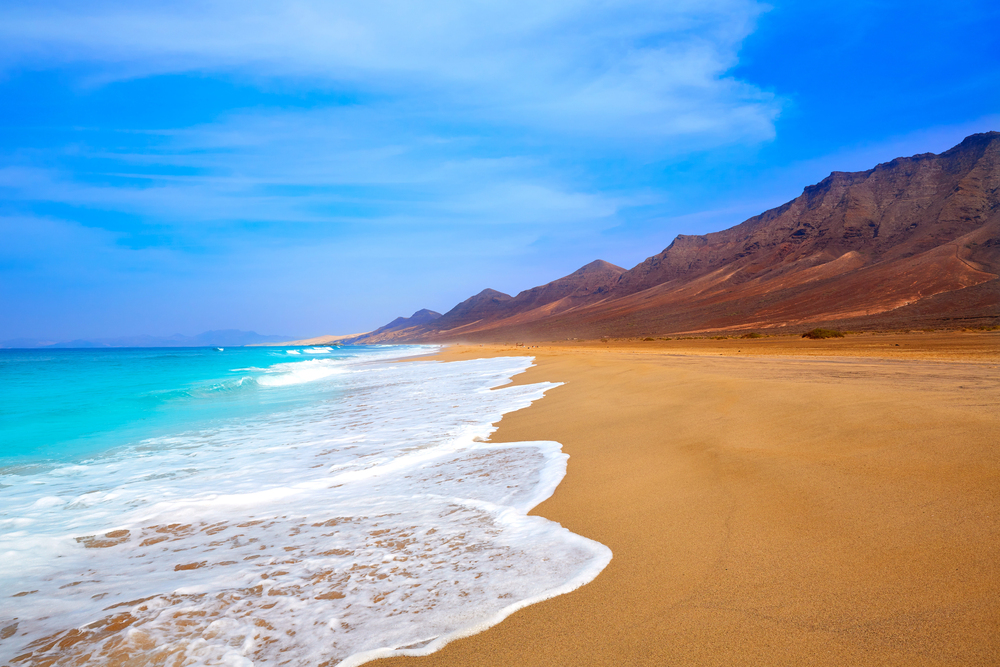
Fuerteventura is one of the Canary Islands, known for its stunning beaches and mild climate.
The island offers a diverse landscape, from sandy shores to volcanic hills, making it a popular destination for tourists year-round.
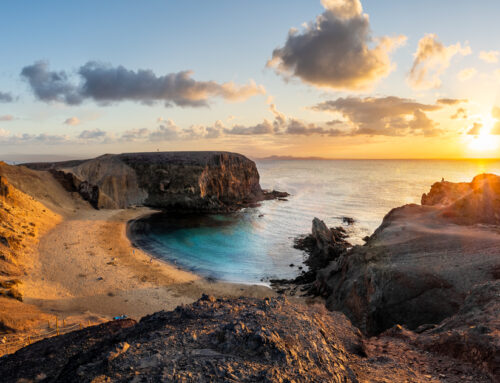
Lanzarote Spain, also stands out for its unique volcanic landscapes.
With a rich history and a vibrant local culture, Fuerteventura showcases a blend of influences.
Its tranquil atmosphere and outdoor activities attract visitors seeking both relaxation and adventure in a picturesque setting.
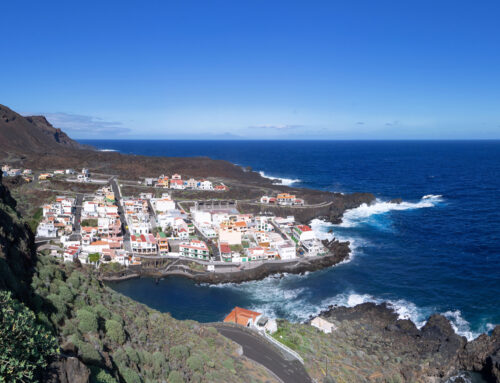
Explore the natural diversity of Fuerteventura and other gems like La Palma in Spain.

Before we start… Yours Free
Please click / tap on the image below:

Discovering Fuerteventura: An Overview
Fuerteventura is a captivating destination in the Canary Islands Spain, known for its unique landscapes and rich cultural history.
Understanding its significance and character reveals the allure that this island holds for both residents and visitors.
Fuerteventura in the Canary Islands
Fuerteventura is the second-largest island in the Canary archipelago, located in the Atlantic Ocean off the coast of northwestern Africa.
As part of Spain, it boasts a diverse range of geographical features, including stunning beaches and volcanic landscapes.
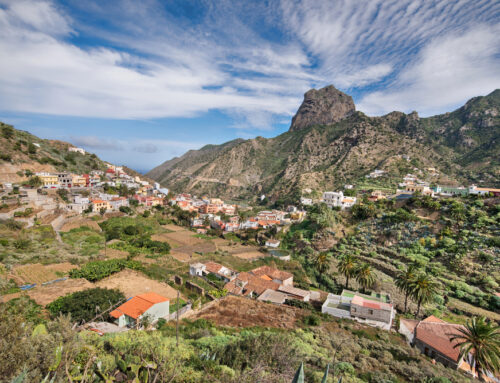
The island is renowned for its mild climate, which attracts tourists almost year-round, making it a prominent spot within the Canary Islands, alongside charming natural spots like La Gomera Spain.
A Brief History of Fuerteventura
The history of Fuerteventura Spain is rich and complex, beginning with the early inhabitants who settled there thousands of years ago.
Originally known as ‘Erbania’ by its indigenous people, the island has witnessed significant changes since the arrival of European explorers in the 15th century.
The name ‘Fuerteventura’ itself has sparked various theories regarding its origin, often linked to the strong winds that can pose challenges for sailors unfamiliar with the waters.
Historical records indicate that the island served as a point of interest for traders and invaders over the centuries.
Cultural Influence and Local Population
The local population of Fuerteventura Spain reflects a rich tapestry of cultures resulting from its historical interactions.
Today, the island is home to approximately 124,000 residents who contribute to a vibrant multicultural environment.
The inhabitants cherish traditions passed down through generations, which exhibit African, Spanish, and indigenous influences.
Festivals such as San Juan and the lively Carnaval highlight the community‘s love for celebration and communal activities.
Food plays a pivotal role in Fuerteventura’s cultural identity.
Traditional dishes, such as gofio and queso majorero, not only provide a taste of the island’s heritage but also emblematise the connection between the people and their land, just like on other quiet islands such as El Hierro Spain.
Culinary practices are often shared during festive gatherings, further cementing a sense of belonging among locals.
The island’s cultural evolution continues to shape its identity, making it a place where tradition meets modernity.
This continued blend of influences ensures that Fuerteventura remains a fascinating destination that appeals to many, whether they are seeking relaxation or adventure.
Geography and Environment
Fuerteventura features a striking geography characterised by its diverse landscapes and unique environment.
The island offers a blend of rugged mountains, arid plains, and pristine beaches, making it a captivating destination for nature enthusiasts.
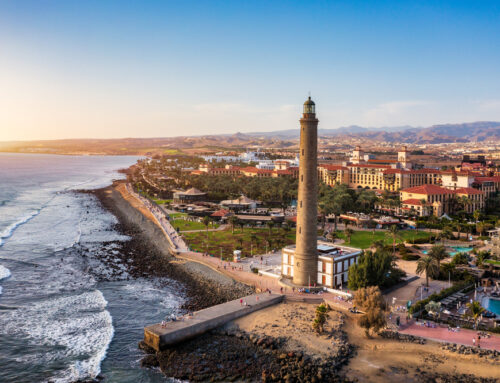
Like Gran Canaria Spain, Fuerteventura combines nature and tradition.
Diverse Landscapes of Fuerteventura
The varied topography of Fuerteventura Spain is one of its most remarkable attributes.
It encompasses volcanic formations, hilly terrains, and expansive flat areas that seem to stretch endlessly.
The island’s volcanic past has shaped its geological features, such as the prominent Mountain of Tindaya, which holds cultural significance as well.
The eastern coast predominantly features low-lying areas, which gradually rise towards the central region of the island.
This creates a distinct contrast with the rugged western coastline, where dramatic cliffs meet the sea.
Such geographical variances contribute to the island’s appeal for visitors seeking both adventure and relaxation in natural surroundings.
Beaches of Fuerteventura
Fuerteventura is renowned for its stunning beaches.
With over 150 kilometres of coastline, it boasts some of the finest stretches of sand in the Canary Islands.
Immerse yourself in the culture and beauty of Fuerteventura and other gems like Tenerife Spain, in the heart of the Canary Islands.
The Best Beaches to Visit
- Playa de Sotavento: Famous for its windsurfing competitions and calm waters, this beach offers a perfect setting for aquatic sports.
- Playa de Jandía: Renowned for its beautiful sunsets and clear waters, this beach is an ideal spot for sunbathing and swimming.
- Playa de Cofete: Known for its wild charm and natural beauty, this remote beach provides a serene escape from bustling tourist spots.
White Sand and Sand Dunes
One of Fuerteventura’s outstanding features is its white sand beaches, contrasted by golden dunes, especially around the Jandía Natural Park.
These dunes create a unique ecosystem, acting as a habitat for various species.
The pristine beaches are often less crowded, inviting tranquillity and allowing visitors to enjoy the idyllic surroundings.
Nature Reserves and Biodiversity
Fuerteventura’s commitment to environmental conservation is exemplified by its designation as a UNESCO Biosphere Reserve.
This status underscores the island’s rich biodiversity and the need to protect its natural habitats.
The island is home to numerous flora and fauna, with several endemic species found only in this region.
Areas such as the Corralejo Natural Park feature vast sand dunes and volcanic landscapes, supporting diverse wildlife.
The surrounding waters are equally impressive, filled with vibrant marine life.
Various species of fish, corals, and larger marine mammals like dolphins can be observed in their natural habitats.
Efforts to maintain the balance of these ecosystems are crucial for preserving Fuerteventura’s natural beauty.
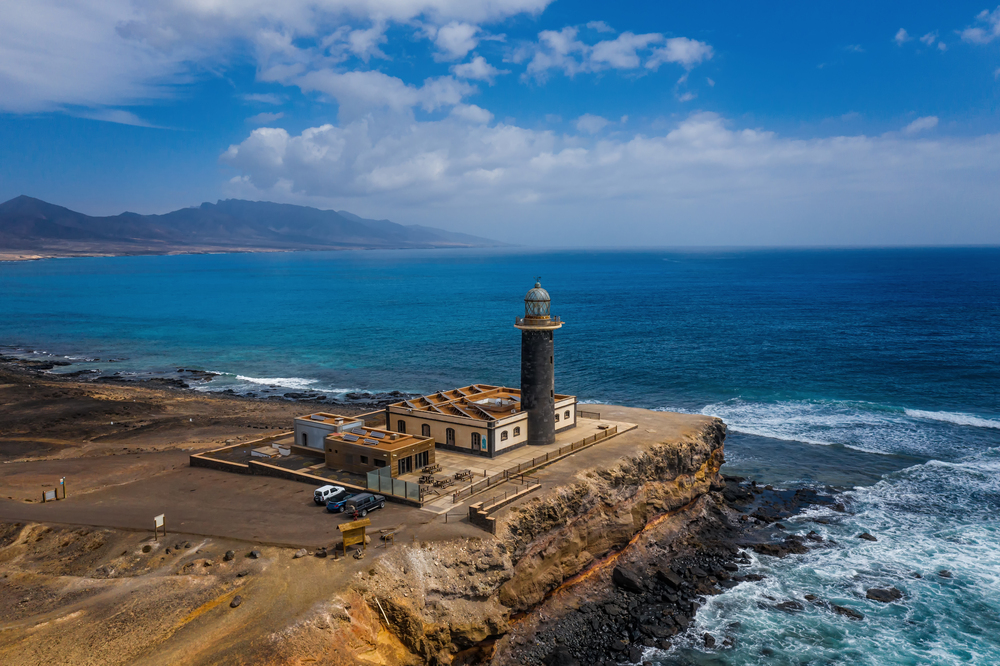
Climate and Weather
The climate of Fuerteventura is characterised by a warm and pleasant atmosphere, making it a year-round destination for tourists.
Its unique position in the Atlantic Ocean plays a crucial role in shaping the weather patterns.
Year-Round Weather Patterns
Fuerteventura Spain enjoys a benign climate that features mild winters and warm summers.
The average yearly temperature hovers around 22 °C, providing an inviting environment for both locals and visitors.
The island is known for its low rainfall, with annual precipitation generally amounting to about 200 mm.
- Winter (December to February): Temperatures range from 15 °C to 21 °C, with occasional cooler evenings.
- Spring (March to May): This season sees a gradual rise in temperature, reaching between 16 °C and 24 °C.
- Summer (June to August): Fuerteventura experiences its hottest months, with temperatures soaring to between 22 °C and 30 °C.
- Autumn (September to November): The weather remains warm, with temperatures remaining between 20 °C and 28 °C.
Ideal Times to Visit
The best time to visit Fuerteventura largely depends on personal preferences regarding climate and activities.
However, the following periods are generally considered ideal:
- Spring (March to May): Offers comfortable temperatures, fewer crowds, and blossoming landscapes.
- Autumn (September to November): Enjoys warm weather, especially in September, while the summer tourist rush starts to diminish.
- Winter (December to February): This is a great time for those seeking mild weather and a quieter experience, albeit cooler evenings.
Weather Impact on Activities
Weather conditions in Fuerteventura Spain significantly influence the types of activities available throughout the year.
The steady climate allows for a wide range of outdoor pursuits, from water sports to hiking.
- Windsurfing and Kitesurfing: Best enjoyed during the summer months when stronger winds prevail.
- Snorkelling and Diving: Generally optimal during spring and autumn when water temperatures are pleasant and visibility is excellent.
- Hiking: Ideal conditions for embarking on hiking trails present themselves in spring and autumn, avoiding the summer heat.
- Cycling: The mild temperatures of autumn and spring make cycling an enjoyable activity, with many scenic routes to explore.
Travel and Transportation
Travel and transportation options on the island are well-developed, ensuring ease of access for visitors and residents alike.
With a variety of flight options and local transport facilities, getting around Fuerteventura is straightforward and convenient.
Flights to Fuerteventura
The primary gateway to Fuerteventura Spain is through its international airport, located near Puerto del Rosario.
This airport serves numerous routes, connecting the island with key destinations across Europe and beyond.
Major Airlines and Routes
A number of airlines operate flights to and from Fuerteventura, making it accessible to travellers from various locations.
Direct flights are commonly available from major cities in the UK, such as London, Manchester, and Birmingham, providing several options throughout the week.
Seasonal flights increase during peak holiday periods, ensuring that demand is met during busier times.
Airport Facilities at Puerto del Rosario
The airport offers a range of amenities to enhance the travel experience.
Facilities include:
- Restaurants and cafés for dining options
- Shops selling local products and travel essentials
- Car rental services for those wishing to explore the island independently
- Free Wi-Fi for passengers
Additionally, information desks provide assistance with flight information and local transport options.
Getting Around the Island
Once on the island, various transportation options are available to facilitate easy movement between towns, beaches, and tourist attractions.
Public Transport Options
Fuerteventura Spain has a reliable public bus service that connects most major towns and popular tourist areas.
The bus network is typically efficient, making it a cost-effective alternative for travellers. Key services include:
- Regular buses linking Puerto del Rosario to Corralejo, Caleta de Fuste, and Morro Jable
- Services operate frequently, especially during peak season
- Affordable fares that cater to various budgets
The buses are comfortable and provide a scenic view of the island, enhancing the travel experience.
Car Hire and Road Travel
For those desiring more flexibility, car hire services are abundant.
Rent a car to enjoy the freedom of creating personalised itineraries.
Key aspects of car hire in Fuerteventura include:
- A variety of rental companies located at the airport and in towns
- Reasonable rates, especially for longer rental periods
- Well-maintained roads that enable easy navigation across the island
Driving allows visitors to explore more remote areas, visit hidden beaches, and enjoy breathtaking landscapes at their own pace.
Road travel is particularly appealing due to the island’s low traffic levels outside of major towns.
Yours Free
Please click / tap on the image below:
Tourism and Holidays
Tourism plays a vital role in the economy of Fuerteventura, catering to diverse preferences and holiday styles.
Visitors can find a range of holiday options, from luxurious all-inclusive resorts to family-friendly getaways.
Types of Holidays Available
All Inclusive Holidays
All-inclusive holidays have become increasingly popular in Fuerteventura Spain.
These packages allow guests to enjoy a worry-free experience, with meals, drinks, and various activities included in one price. Many resorts feature stunning beachfront locations, offering guests access to beautiful views and direct beach access.
Typically, all-inclusive packages include:
- Full-board meals with varying cuisines
- Access to swimming pools and wellness facilities
- Water sports and other recreational activities
- Evening entertainment options like live music and shows
Family-Friendly Destinations
Fuerteventura is well-suited for families, featuring numerous attractions that cater to both children and adults.
Many hotels offer family-oriented services, such as kids’ clubs and organised activities tailored for younger guests.
Beaches often have shallow waters, making them safe for children to play.
Families can explore various attractions, which include:
- The Oasis Park, home to exotic animals and various shows
- Water parks with slides and wave pools for a day of fun
- Interactive museums that engage children while educating them
Popular Tourist Attractions
Historic Sites and Buildings
The island boasts a rich historical background, evidenced by various sites and buildings that tell the story of its past.
Tourists can visit the remains of ancient settlements and colonial-era structures.
Notable sites include:
- The old windmills dotting the landscape, showcasing traditional architecture
- The historic town of Betancuria, the first capital of Fuerteventura Spain, filled with quaint streets and charming buildings
- Castillo de Enrique in the town of Corralejo, a fortress with ties to the island’s maritime history
Natural Wonders and Parks
Fuerteventura’s natural beauty is a major draw for visitors.
The island offers a range of stunning landscapes, from sand dunes to volcanic formations.
Exploring these natural environments provides an opportunity to appreciate the island’s ecological diversity.
Key attractions include:
- Parque Natural de Corralejo, famous for its expansive dunes and clear waters
- Los Ajaches Natural Park, offering scenic hiking trails and unique geological features
- The stunning beaches of Jandía, a must-visit for their pristine environment and relaxation opportunities
Outdoor Activities and Sports
Fuerteventura offers an array of outdoor activities and sports that attract both adventure seekers and nature enthusiasts.
The island’s stunning landscapes and ideal climatic conditions contribute to a vibrant outdoor scene.
Watersports on the Island
The pristine waters surrounding Fuerteventura Spain are perfect for a variety of watersports.
Whether one seeks adrenaline or relaxation, the island caters to all preferences.
Windsurfing and Kitesurfing
Fuerteventura is renowned for its exceptional wind conditions, making it a top destination for windsurfing and kitesurfing.
Spots like Sotavento and Playa de Jandía draw both novice and expert surfers alike.
The consistent trade winds that blow across the island create ideal waves and flat water conditions, providing the perfect playground for these exhilarating sports.
Several schools and rental shops operate along the coast, offering lessons and equipment for those eager to learn.
Events such as competitions and festivals regularly take place, fostering a sense of community among water sports enthusiasts.
Snorkelling and Diving
The rich marine biodiversity around Fuerteventura Spain offers fantastic opportunities for snorkelling and diving.
The crystal-clear waters reveal vibrant coral reefs and fascinating underwater life, including various fish species and even the occasional sea turtle.
Popular dive sites include the marine reserve in the north and the tranquil waters of Lobos Island.
Local dive shops provide guided excursions and courses, catering to all skill levels.
Underwater photography is particularly popular, with stunning visuals to be captured during those magical moments below the surface.
Land-Based Adventures
Fuerteventura’s varied terrains are equally appealing for land-based activities.
The contrast between rolling hills, rugged mountains, and flat plains offers diverse options for exploration.
Hiking and Trails
Numerous hiking trails traverse the island, ranging from easy walks to challenging treks. Routes such as the ascent of Pico de la Zarza provide breathtaking views of the island and the ocean beyond.
Popular trails include the path around the Jandía Natural Park, showcasing the island’s unique flora and fauna.
Nature lovers often appreciate the tranquility found on these hikes, as many paths lead to secluded beaches and hidden coves.
Birdwatching is also a rewarding experience, with various endemic species present in the area, especially in the nature reserves.
Cycling Routes
Cycling in Fuerteventura is a fantastic way to explore the island at a leisurely pace.
Numerous routes have been established, accommodating all levels of cyclists.
The roads are generally well-maintained, providing safe travel through stunning landscapes.
Popular cycling routes include coastal paths with panoramic sea views.
Local bike rental shops and guided cycling tours are available, making it straightforward for visitors to immerse themselves in the surroundings while maintaining an active lifestyle.
Local Culture and Traditions
The culture and traditions of Fuerteventura Spain reflect a rich blend of influences, shaped by its unique history, geographical location, and the diverse communities that inhabit the island.
This vibrant cultural scene is best showcased through its festivals, events, and distinctive cuisine.
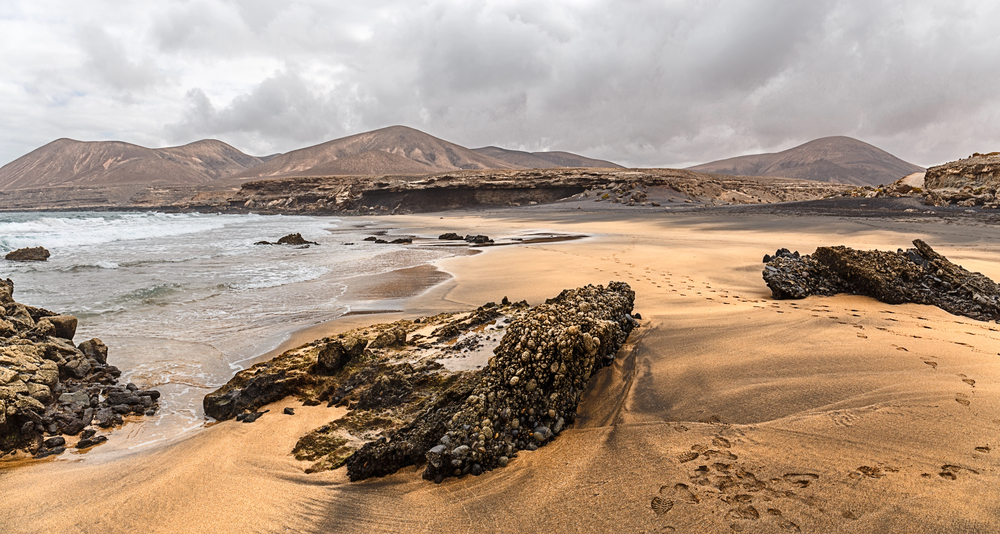
Festivals and Events
Celebrations play a vital role in the local culture of Fuerteventura, embodying the spirit and traditions of its people.
Numerous festivals throughout the year attract both locals and visitors alike.
Carnaval Celebrations
The Carnaval of Fuerteventura Spain is one of the island’s most colourful and lively events.
Celebrated in February, it features vibrant parades, music, and dancing.
Locals dress in extravagant costumes, and the streets come alive with performances and festivities.
The atmosphere is one of joy and celebration, where both locals and tourists can enjoy various activities, including competitions and live entertainment.
The event culminates in a grand finale, often marked by the burial of the sardine, a symbolic gesture celebrating the end of the carnival season.
San Juan Festivities
San Juan, celebrated on the night of 23rd June, is another important event.
This festival is a vibrant celebration of fire and water, with locals lighting bonfires on the beach to welcome the summer solstice.
Traditions include jumping over the bonfire, which is believed to bring good luck, and enjoying music and dance by the shore.
The evening is filled with various activities, and families gather to celebrate together, honouring their heritage and the arrival of summer.
Gastronomy: Bars and Restaurants
The culinary scene in Fuerteventura reflects its cultural diversity.
Local gastronomy is a vital aspect of daily life, offering a taste of its history and the ingredients sourced from the surrounding land and sea.
Traditional Canarian Cuisine
Canarian cuisine showcases unique flavours, with dishes that are deeply rooted in the island’s history.
A staple ingredient is ‘gofio’, a roasted flour made from various grains, used in numerous traditional dishes.
Fresh fish, particularly going from local waters, is commonly featured on menus, and meat dishes often utilise lamb and goat.
In addition, vegetables such as potatoes and seasonal produce play a key role in preparing authentic meals.
Must-Try Dishes
- Papas Arrugadas: Wrinkled potatoes served with ‘mojo’ sauce, a delicious blend of garlic, cumin, and spices.
- Queso Majorero: This renowned cheese made from goat’s milk is celebrated for its rich flavour and has received international recognition.
- Sancocho: A traditional fish stew, combining local fish with potatoes and served with a variety of sauces.
- Gofio Escaldado: A porridge-like dish made from gofio, often served with fish or meat.
The island’s bars and restaurants not only serve traditional Canarian dishes but also offer a variety of international cuisines, reflecting the multicultural aspect of Fuerteventura’s society.
Dining here is more than just a meal; it is an experience that highlights the island’s rich culture and warm hospitality.
Economy and Lifestyle
The economy and lifestyle of Fuerteventura are intricately linked to its natural beauty and the influx of tourists from around the globe.
With a thriving tourism sector at its heart, the island thrives on its unique character and the diverse array of activities it offers.
The Role of Tourism
Tourism plays a pivotal role in the economy of Fuerteventura. It is the primary industry, significantly contributing to local employment and revenue.
Visitors are attracted by the island’s stunning beaches, pleasant climate, and extensive recreational opportunities.
- Tourism-related jobs account for a large percentage of the workforce, from hotel staff to tour operators.
- Restaurants, shops, and local businesses flourish as they cater to the needs of visitors.
- The local government promotes sustainable tourism initiatives to preserve the island’s natural environment.
Investment in tourism infrastructure continues, enhancing the visitor experience while promoting economic growth.
The island’s appeal draws a mix of leisure and eco-tourism, expanding the scope of opportunities for residents and entrepreneurs alike.
Emerging Trends and Opportunities
Recent years have seen the emergence of new trends, particularly due to the increasing interest in remote work.
Fuerteventura has become a hotspot for digital nomads seeking a blend of work and leisure.
- The rise of co-working spaces offers flexible work environments for those who wish to experience island life without sacrificing their careers.
- Cultural and adventure tourism is expanding as more visitors seek authentic experiences, prompting local businesses to offer tailored packages.
- Health and wellness retreats are gaining popularity, catering to those looking to unwind and rejuvenate amidst nature.
These trends have opened up new avenues for investment and local entrepreneurship, shifting the economic landscape towards a more diversified model.
Living in Fuerteventura
Life on the island offers unique advantages and challenges.
The cost of living can vary depending on lifestyle choices, with housing options ranging from apartments in urban settings to picturesque rural homes.
- Expat communities have formed, contributing to a vibrant atmosphere where various cultures coalesce.
- Residents enjoy a slower pace of life, with outdoor activities and community events forming the backbone of social interaction.
- Access to services such as education and healthcare is well-established, especially in larger towns like Puerto del Rosario.
Life in Fuerteventura is appealing to many, offering beautiful surroundings, a warm climate, and a strong sense of community.
The blend of traditional and modern influences shapes the lifestyle, making the island an attractive proposition for both locals and newcomers.
Yours Free
Please click / tap on the image below:
If you would like to read about other important points for living / moving to Spain, here are other useful articles we wrote: