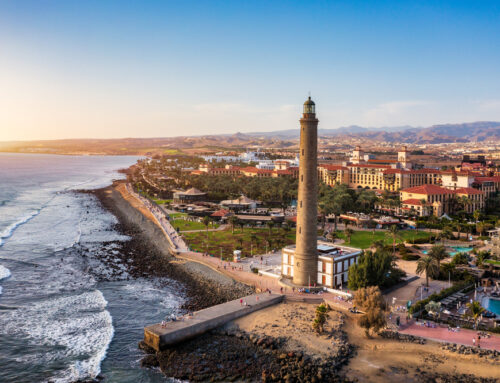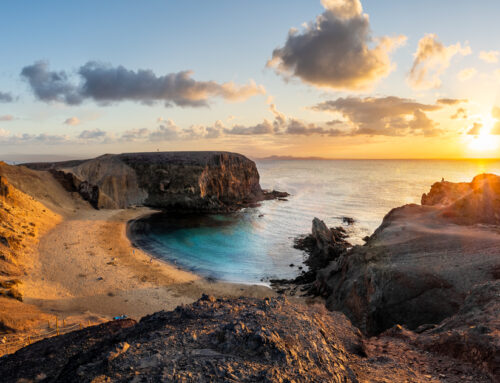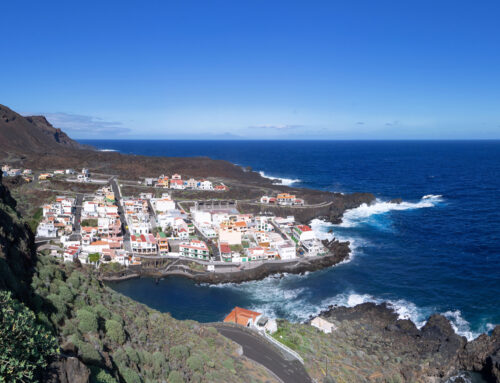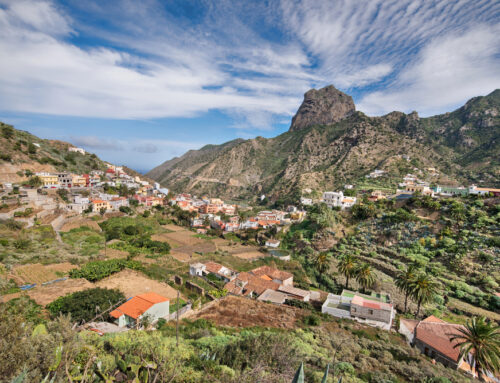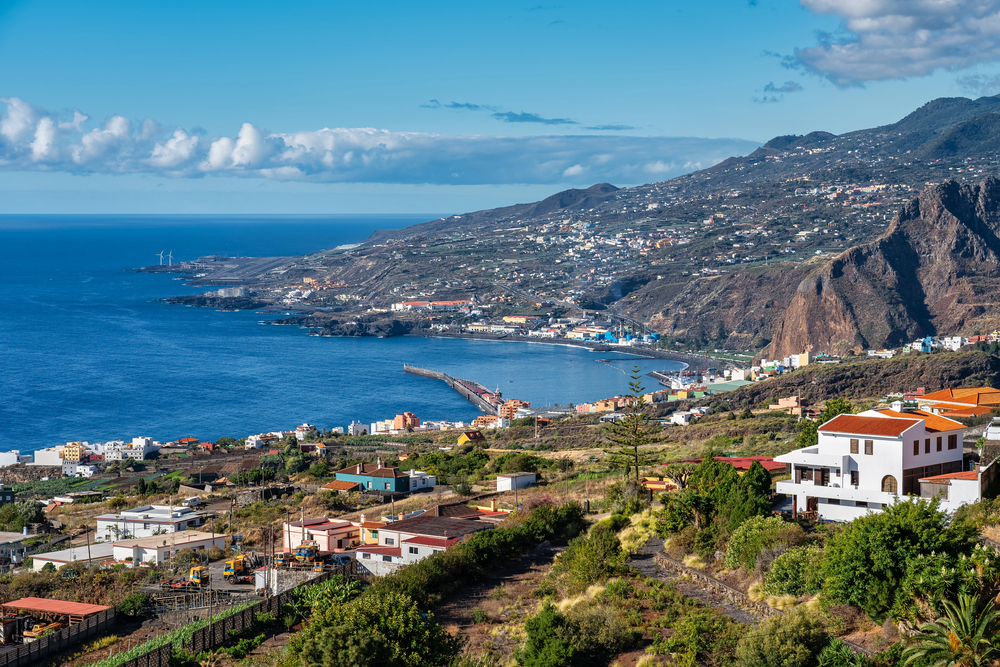
La Palma is a beautiful island in Spain’s Canary Islands, known for its stunning natural landscapes and rich cultural heritage.
It offers a unique blend of volcanic terrain, lush forests, and clear skies, making it a popular destination for nature lovers, natural features that also attract travelers interested in discovering Lanzarote Spain.
The island features diverse ecosystems and breathtaking geological formations, including the famous Cumbre Vieja volcano.
Visitors can explore historical sites and enjoy a range of outdoor activities in La Palma Spain, all under the warm subtropical climate that characterises this island.

Before we start… Yours Free
Please click / tap on the image below:

Discovering La Palma Spain
La Palma, often revered for its stunning landscapes and pristine nature, offers a unique experience for those looking to explore the island’s wonders.
La Palma Overview
La Palma is a quaint island within the Canary Islands Spain, situated in the Atlantic Ocean.
It is celebrated for its dramatic volcanic terrain, lush green valleys, and rich biodiversity.
Known as “La Isla Bonita,” La Palma Spain presents an enchanting combination of natural beauty and cultural heritage.
Visitors are drawn to its striking contrasts, from rugged cliffs to serene beaches.
The island boasts a variety of ecosystems, hosting numerous endemic species that thrive in its diverse habitats.
La Palma’s Position in the Canary Islands
Geographically, La Palma stands as the most north-westerly island in the Canary archipelago.
It is located approximately 100 kilometres from the Spanish mainland.
The island measures 708.32 square kilometres and rises prominently from the ocean floor, forming a landscape that is both dramatic and extraordinary.
Its unique positioning allows for stunning views of the surrounding Atlantic, making it a favourite among photographers and nature enthusiasts.
La Palma is enveloped by the larger islands of Tenerife Spain to the east and La Gomera to the south, creating a natural buffer that adds to its tranquil atmosphere.
The island itself is characterised by steep mountains and deep ravines, which contribute to its striking topography and climate variations.
- The island’s elevation reaches its peak at the Roque de los Muchachos, which rises to 2,426 metres above sea level.
- La Palma’s rich volcanic history has shaped its landscapes and continues to influence its ecosystem, a geological identity it shares with islands like El Hierro Spain.
- The strategic location of La Palma has historically made it a key point for seafarers and explorers navigating the Atlantic.
This geographical uniqueness not only promises breathtaking vistas but also fosters a thriving community that passionately preserves its environment and cultural identity.
Natural Wonders of La Palma
The natural beauty of La Palma Spain is astounding, characterised by its unique volcanic landscapes and diverse ecosystems.
The island offers breathtaking views and an array of flora and fauna that contribute to its status as a paradise for nature lovers.
Volcanic Landscapes
The island’s volcanic origin has shaped its topography, resulting in stunning landscapes that attract visitors from around the globe.
The Cumbre Vieja Volcano
The Cumbre Vieja is one of the most prominent features of La Palma.
This active volcanic ridge is known for its dramatic eruptions, most notably the eruption that occurred in 2021.
The landscapes surrounding this volcano are characterised by craters and unique geological formations, offering insight into the island’s geological history.
Hiking trails in this area provide spectacular views and access to nature.
The volcanic soils have created an ecosystem rich in biodiversity, making it a significant attraction for geologists and nature enthusiasts alike.
The Caldera de Taburiente National Park
This national park is another highlight of La Palma’s natural wonders.
Surrounded by steep cliffs, the caldera serves as a natural reservoir for a variety of wildlife.
The park features numerous walking paths that weave through lush forests and secluded valleys.
Visitors can explore the diverse flora, including specialised plant species that only thrive in this protected environment.
The Caldera de Taburiente is an ideal destination for those interested in hiking, birdwatching, and appreciating untouched nature.
Flora and Fauna
The island’s ecosystems are rich and varied, promoting a vivid tapestry of plant and animal life that is distinctive to the region.
Unique Ecosystems
La Palma is home to a range of unique ecosystems, from the laurel forests in the north to the dry scrubland in the south.
These diverse habitats provide a home for numerous endemic species, some of which cannot be found elsewhere in the world.
The island’s varied climate contributes to its impressive biodiversity, making it a crucial area for conservation efforts and wildlife enthusiasts.
Canary Island Pine
The Canary Island Pine is perhaps the most iconic tree species found on La Palma.
This hardy tree is highly adapted to the volcanic soil and frequent wildfires, playing a vital role in the island’s ecosystems.
It provides essential habitat and nourishment for various bird species and insects.
Forests of these pines create a unique landscape that offers both beauty and ecological importance, supporting a rich array of wildlife and serving as a critical resource for the island’s environment.
Exploring La Palma’s Attractions
La Palma Spain is home to a variety of stunning attractions that showcase its natural beauty and rich cultural history.
From astronomical observatories to significant historical sites, visitors can immerse themselves in the island’s unique offerings.
Roque de los Muchachos Observatory
Perched at an altitude of 2,426 metres, the Roque de los Muchachos Observatory is one of the most renowned astronomical research facilities in the world. Established in 1985, it serves as a pivotal centre for various international astronomical projects.
The exceptional clarity of the night sky, combined with minimal light pollution, provides ideal conditions for stargazing.
The observatory houses several powerful telescopes, including the Gran Telescopio Canarias, which is capable of capturing incredibly detailed images of celestial bodies.
The observatory is not only an important scientific site but also offers educational tours that allow visitors to learn about the universe and the groundbreaking research conducted here. It’s a popular attraction for travelers visiting islands like Fuerteventura Spain.
The breathtaking panoramic views from the summit further enhance the experience and make it a must-visit for anyone interested in astronomy.
Historical Sites
The intricate history of La Palma is reflected in its well-preserved historical sites.
Each site tells a story, giving insight into the island’s past and its cultural significance.
Island with History
La Palma’s history is rich, beginning with its indigenous inhabitants, the Benahoaritas.
The island experienced significant changes during European colonisation in the 15th century, which left a lasting impact on its culture and architecture.
Many historic buildings, including churches and colonial houses, dot the landscape.
One of the most notable historical sites is the Church of Our Lady of the Rosary, located in the capital, Santa Cruz de La Palma Spain.
This stunning church showcases a blend of Gothic and Mudejar styles, drawing visitors for both its architectural beauty and its historical importance.
In addition, the streets of the capital are lined with colonial-era buildings, offering a glimpse into the island’s past.
Another significant site is the La Palma Archaeological Museum, which houses a wealth of artifacts from the indigenous people and displays the rich cultural heritage of the island.
Through these historical sites, La Palma continues to celebrate and preserve its unique identity and legacy.
Holi days in La Palma
La Palma offers a diverse range of attractions and activities, making it an excellent destination for holidays.
From its stunning landscapes to rich cultural experiences, visitors can enjoy a unique blend of relaxation and adventure.
La Palma Spain Holidays
The island is renowned for its stunning natural beauty and pleasant climate, making it an ideal retreat for holidaymakers.
Whether seeking tranquillity or thrill, La Palma has something to cater for every taste.
Accommodations range from luxurious hotels to charming guesthouses, ensuring visitors find the perfect base for their stay.
- Hotels and Resorts: La Palma Spain boasts a variety of hotels offering modern amenities alongside breathtaking views.
- Vacation Rentals: For those who prefer a homely feel, there are numerous rental properties available throughout the island.
- Camping Sites: Adventurous spirits can immerse themselves in nature at several campgrounds, which provide an authentic experience.
Activities for Tourists
The island features a wealth of activities that showcase its unique landscapes and cultural heritage, appealing to every visitor’s interests. Outdoor enthusiasts will find plenty of opportunities to explore the island’s natural beauty.
- Hiking: Numerous trails crisscross the island, allowing for exploration of its dramatic landscapes, including the famous Caldera de Taburiente National Park.
- Stargazing: La Palma is renowned for its clear night skies, making it a prime location for stargazing, particularly at the Roque de los Muchachos Observatory.
- Cultural Experiences: Visitors can immerse themselves in the local culture by attending traditional festivals and exploring historical sites.
- Watersports: The island’s coastline presents excellent opportunities for water-based activities such as diving, snorkeling, and kayaking.
With its rich offerings, La Palma promises an unforgettable holiday experience for those who venture to this enchanting island.
The Climate of La Palma
The climate of La Palma is notably diverse, shaped by its varied altitudes and geographic features. The island enjoys a subtropical climate that offers both warm and cooler regions, making it a unique destination for many visitors.
Palma The Climate Overview
La Palma experiences a mild climate all year round, characterised by warm summers and mild winters.
The temperature typically ranges from 18°C in the winter months to approximately 28°C in the summer.
The constant trade winds from the Atlantic Ocean play a significant role in maintaining this pleasant weather.
Precipitation is relatively low along the coast, with most rainfall occurring in the higher altitudes of the island during the winter months.
The island’s topography contributes to a variety of microclimates.
Coastal areas are usually dry and warm, while the mountainous regions can experience cooler temperatures and increased humidity.
This difference creates a fascinating range of ecosystems across the island.
Best Time to Visit
Determining the best time to visit La Palma Spain largely depends on the activities intended and personal preferences. The island is a year-round destination, but certain seasons offer unique advantages.
-
Spring (March to May)
This season is regarded as one of the best times to visit, with mild temperatures and blooming flowers. It’s an excellent choice for hiking and exploring the natural wonders of the island.
-
Summer (June to August)
The summer months are ideal for sunbathing and beach activities. However, temperatures can rise, particularly in the lowland areas. Visitors are advised to stay hydrated and seek shade during the hottest parts of the day.
-
Autumn (September to November)
This period sees a gradual cooling, and it remains a popular time for outdoor pursuits. The sea temperature is still warm, making it suitable for swimming and diving.
-
Winter (December to February)
Winter in La Palma is mild compared to many parts of Europe.
While some higher mountain areas can experience cold temperatures and even snow, the coast provides a warm escape for winter travellers.
Ultimately, visitors will find that any time of the year presents an opportunity to experience the enchanting climate and diverse landscapes of La Palma.
Getting to La Palma
Reaching La Palma is a straightforward process, with several options available for travellers. The island is well-connected by air, making it accessible for international visitors as well as those travelling from mainland Spain.
Yours Free
Please click / tap on the image below:
Flights to La Palma Spain
La Palma is served by the main airport, La Palma Airport (SPC), located near the capital, Santa Cruz de La Palma.
Regular flights operate between La Palma Spain and various destinations, primarily within Spain, but also connecting with other European cities.
Below are key points regarding flights to La Palma:
- Direct flights are available from major Spanish cities such as Madrid and Barcelona.
- Seasonal flights from international airports may operate during peak tourist months, enhancing access from the UK and other countries.
- Low-cost airlines frequently offer competitive prices, making travel to La Palma more economical.
- It is advisable to book in advance, especially during holiday periods, to secure the best rates.
Palma Connect With Other Destinations
The island boasts a good network of connections to other Canary Islands, ensuring travellers can explore beyond La Palma.
Regular ferry services operate from La Palma to neighbouring islands, including Tenerife, Gran Canaria Spain, and La Gomera Spain.
Below are the options available:
- Ferry Services: Companies like Fred. Olsen Express and Naviera Armas offer frequent services between La Palma and nearby islands. The ferries provide a scenic travel experience across the Atlantic, allowing passengers to enjoy beautiful ocean views.
- Inter-Island Flights: For those looking to reach other islands quickly, inter-island flights are available, operated by airlines such as Binter Canarias. These short flights are convenient for island-hopping adventures.
- Local Transport Links: Public transport options on La Palma Spain, including buses, allow easy access to the airport and ferry terminals, facilitating seamless travel post-arrival.
Moving Around La Palma
Getting around La Palma is relatively easy, thanks to its well-established transport network.
Visitors can choose from a variety of local transport options that cater to different preferences and needs.
Whether travelling by road or on foot, La Palma offers scenic routes and beautiful landscapes.
Local Transport Options
La Palma provides several local transport options for those looking to explore the island:
-
Buses
The local bus service, known as ‘Guaguas,’ operates regularly throughout the island.
Buses connect the main towns and points of interest, making it an affordable choice for tourists.
-
Taxis
Taxis are readily available and can be found at designated ranks in towns.
They are convenient for direct travel to specific locations, especially when public transport schedules might not align.
-
Car Rentals
For those who prefer the freedom to explore at their own pace, car rental services are available.
Roads are generally well-maintained, and driving offers visitors access to more remote areas of the island.
-
Biking
Cycling is a popular way to explore the scenic landscapes.
Various rental shops offer bicycles, and there are designated cycling routes across the island, making it a healthy and enjoyable option.
Palma Moving Around
Moving around La Palma Spain can also involve some unique options that enhance the experience:
-
Walking and Hiking
The island boasts numerous walking and hiking trails that allow visitors to immerse themselves in nature.
These paths can lead to breathtaking viewpoints and hidden gems.
-
Local Tips
It’s advisable to check local transport schedules in advance as they can vary throughout the year.
Being aware of operating hours, especially for buses, ensures smoother travel plans.
Accessibility is a key advantage of La Palma, facilitating easy movement whether one chooses public transport, private vehicles, or exploring on foot.
Each transport option offers a different perspective of this beautiful island.
La Palma’s Cultural Heritage
La Palma boasts a rich cultural heritage that reflects its unique history and diverse influences.
The island’s traditions and festivals play a significant role in shaping the identity of its residents and showcase the vibrant culture that has evolved over the centuries.
Traditions and Festivals
The traditions of La Palma Spain are a vibrant mix of indigenous customs and those introduced by European settlers.
Various festivals celebrate local legends, religious events, and seasonal changes.
Key celebrations include:
- Fiesta de la Cruz: Celebrated in May, this festival features decorated crosses and vibrant processions throughout the streets.
- San Bartolomé: Held in August, this celebration honours the island’s patron saint with music, dance, and traditional culinary delicacies.
- Fiesta de la Virgen de las Nieves: This festival, celebrated in September, includes a procession and various cultural events that showcase local artistry and traditions.
These events offer an insight into the communal spirit and the respect for traditions that residents hold dear.
The significance of these festivities often extends beyond mere celebration, cementing social ties and fostering community participation.
The Capital: Santa Cruz de La Palma
Santa Cruz de La Palma, the capital city, is a focal point of cultural life on the island.
Its historical significance is reflected in its well-preserved architecture and lively atmosphere.
The city features:
- Colonial buildings: Many have origins dating back to the 16th century, showcasing stunning balconies and intricate woodwork.
- Museums: Cultural institutions like the Benahoare Museum exhibit the island’s history and heritage, displaying artefacts from indigenous and colonial times.
- Art Galleries: Local artists frequently showcase their work, contributing to a thriving arts scene that reflects the island’s diverse influences.
The streets of Santa Cruz de La Palma Spain often come alive with cultural events, art exhibitions, and music, making it a vibrant centre for both locals and visitors.
The city’s cultural heritage is integral to understanding the complexities and richness of life on the island.
La Palma as a Biosphere Reserve
La Palma, known for its stunning natural beauty, has been designated as a Biosphere Reserve, highlighting its significance in global biodiversity conservation.
This status helps promote sustainable development while protecting the area’s unique ecological heritage.
Palma Biosphere Reserve Status
The designation as a Biosphere Reserve was granted by UNESCO, recognising La Palma’s diverse ecosystems and commitment to environmental stewardship.
This prestigious status not only enhances the island’s global profile but also encourages initiatives aimed at preserving its natural resources.
The Biosphere Reserve encompasses various habitats, including:
- Volcanic landscapes
- Subtropical forests
- Coastal zones
- Unique freshwater ecosystems
Such diversity supports a wide range of flora and fauna, many of which are endemic to the island.
This recognition plays a crucial role in both conservation and sustainable tourism efforts.
Conservation Efforts and Sustainability
Conservation efforts in La Palma Spain are multi-faceted and involve collaboration among local communities, governmental bodies, and environmental organisations.
Key initiatives include:
- Restoration of native habitats
- Control of invasive species
- Sustainable land management practices
Programmes aimed at education and awareness are also vital.
Local schools and NGOs frequently engage in activities that teach the importance of biodiversity and conservation.
Moreover, La Palma residents actively participate in maintaining ecological balance by promoting:
- Organic farming methods
- Responsible tourism
- Waste reduction initiatives
These efforts are crucial in maintaining the integrity of the Biosphere Reserve while allowing visitors to enjoy the island’s natural wonders responsibly.
The ongoing commitment from the community and stakeholders is essential to ensure that La Palma Spain remains a sanctuary for its unique wildlife and ecosystems.
Sea and Coast of La Palma
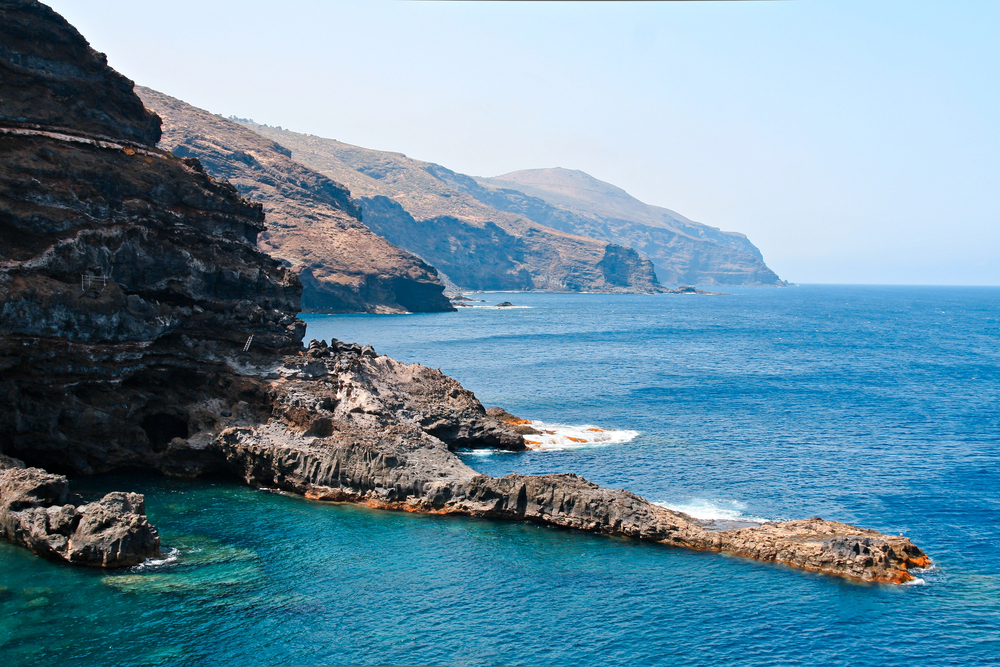
The coastal areas of La Palma offer a stunning blend of rugged cliffs, pristine beaches, and crystal-clear waters.
The Atlantic Ocean that surrounds the island plays a vital role in shaping its landscape and enriching its biodiversity.
The Atlantic Ocean Surroundings
The Atlantic Ocean is a prominent feature of La Palma Spain, providing not only breathtaking views but also various natural resources.
The waters around the island are home to an array of marine life, making it an ideal location for aquatic activities.
The underwater ecosystems are vibrant and teeming with flora and fauna that are unique to this region.
- The ocean temperature is generally mild, ranging from 18°C in winter to around 24°C in summer.
- Rich marine biodiversity includes dolphins, turtles, and a variety of fish species.
- The coastal cliffs boast dramatic formations, offering scenic panoramas for visitors.
Activities by the Sea
La Palma’s coastline provides numerous opportunities for recreational activities.
From water sports to relaxing beach days, there is something for everyone.
Tourists and locals alike immerse themselves in the refreshing ocean environment.
- Snorkelling and scuba diving allow exploration of the rich marine life.
- Surfing is popular in certain areas, particularly during the winter months when swells are stronger.
- Kayaking and paddleboarding offer a unique perspective of the coastline.
- Fishing trips can be organised, catering to both novices and experienced anglers eager to catch local species.
- Beach lounging provides a perfect escape, with several sandy beaches such as Playa de Los Cancajos and Playa de Puerto Naos.
These activities not only highlight the beauty of La Palma’s coastal region but also promote sustainable practices to preserve its natural environment for future generations.
Yours Free
Please click / tap on the image below:
If you would like to read about other important points for living / moving to Spain, here are other useful articles we wrote: