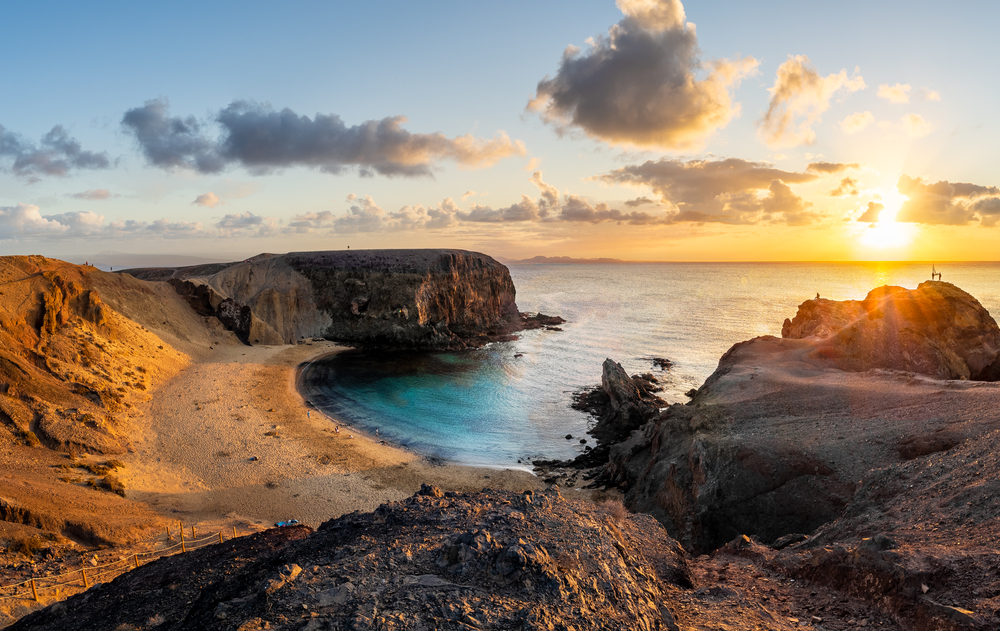
Lanzarote, the easternmost island of the Canary Islands, is known for its stunning volcanic landscapes and rich cultural heritage.
This unique destination combines natural beauty with historical significance, making it a popular choice for travellers.
From its early settlements to the influence of notable figures, Lanzarote offers a fascinating history.
The island’s diverse geography and climate contribute to its charm, attracting visitors all year round to Lanzarote Spain.
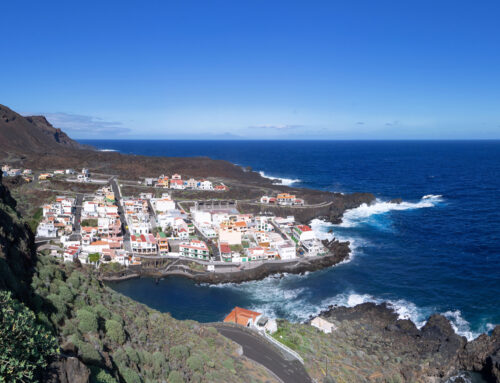
La Palma Spain is around 483km away from Lanzarote.

Before we start… Yours Free
Please click / tap on the image below:

Lanzarote Spain: A Historical Journey
Lanzarote boasts a rich historical tapestry, marked by settlement, exploration, and cultural influences.
Its past reveals the significance of early visitors and the impact of colonisation, coupled with the island’s responses to challenges like piracy.
Early Visitors and Settlement
The first traces of human presence on Lanzarote date back to around 1000 BC, with the arrival of the indigenous Guanche people.
These early inhabitants adapted to the island’s rugged terrain and volcanic landscape, relying on agriculture and fishing as their primary means of sustenance.
The Guanches established various settlements and developed a unique culture closely tied to their environment.
The Genovese Influence
In the 14th century, the island’s fate was forever altered with the arrival of the Genovese explorer Lancelotto Malocello.
He took possession of Lanzarote in 1336, paving the way for future European interest in the Canary Islands.
This introduced new trade routes and opened up Lanzarote to intermittent trade with Europe, fostering cultural exchanges that would leave a lasting impression on the local populace.
The Era of Conquest and Colonisation
The 15th century marked the beginning of Spanish conquest, which transformed Lanzarote significantly.
Following its annexation by the Castilian crown, colonisation led to the establishment of plantations and the introduction of new agricultural practices.
However, this period also heralded hardship for the indigenous Guanche population, with many being forced into servitude or suffering displacement.
Pirate Raids and Economic Shifts
During the 16th and 17th centuries, Lanzarote faced numerous pirate raids that devastated its economy and infrastructure.
Esteemed pirate tribes frequently targeted the island, seeking wealth and resources.
In response, fortifications were built around key settlements to protect the inhabitants and their livelihoods.
This tumultuous time shifted the economy, leading residents to embrace new forms of trade and agriculture, establishing a resilient community that adapted to the adversities faced throughout its history.
The Enchanting Geography of Lanzarote
The remarkable geography of Lanzarote is defined by its stunning volcanic features and diverse coastal landscapes, making it a true natural wonder.
The island’s unique terrain tells a compelling story of its geological past.
Unique Volcanic Formations
The volcanic origins of Lanzarote are evident throughout the island, characterised by dramatic landforms and striking geological features.
The Timanfaya National Park, a significant highlight, showcases a range of incredible volcanic formations, due to its distinct geological activity.
Visitors can encounter numerous craters, solidified lava flows, and unique rock structures that illustrate the island’s explosive history.
The Impact of Timanfaya Eruptions
The eruptions that occurred between 1730 and 1736 were pivotal in transforming Lanzarote’s landscape.
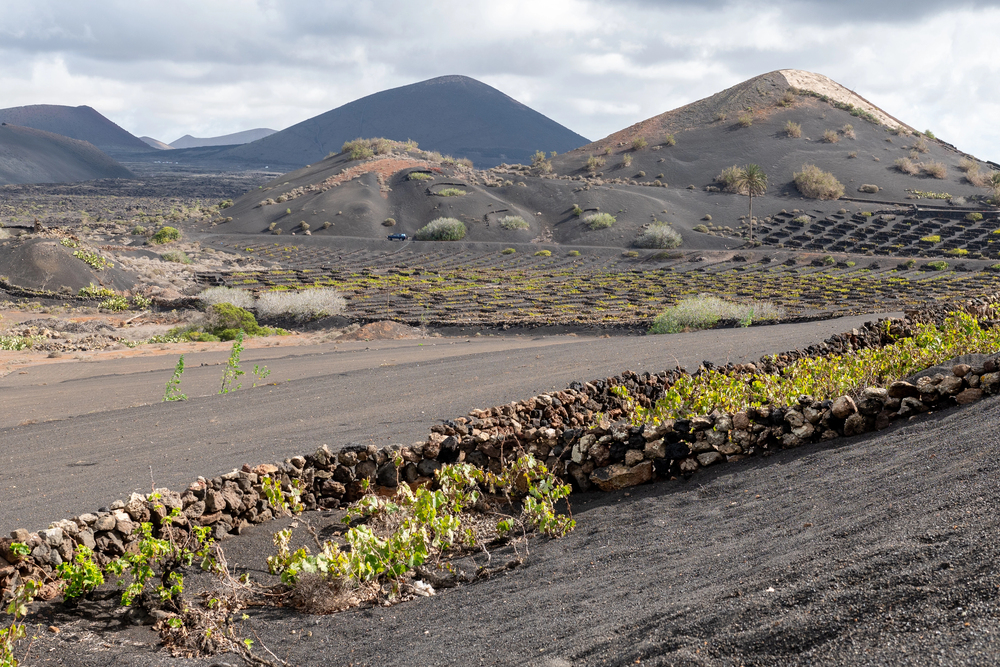
These eruptions covered vast areas with volcanic ash and lava, forming the stark yet beautiful vistas that are a hallmark of the island today.
The dramatic contrasts of colour, from deep blacks and fiery reds to vibrant greens, create a visual spectacle that enchants all who visit.
Diverse Coastal Landscapes
Lanzarote’s coastline features an extraordinary variety of environments.
Visitors can find everything from rugged cliffs towering over the Atlantic Ocean to serene golden sands and volcanic black beaches.
The distinctive contrasts between these landscapes, shaped by centuries of natural forces, make the coastal areas a must-see for nature enthusiasts.
Protected Natural Areas
In recognition of its ecological importance, numerous areas within Lanzarote Spain are protected to preserve their natural beauty and biodiversity.
Notably, the island has been designated a UNESCO Biosphere Reserve since 1993.
This protection ensures that both unique ecosystems and the geological wonders of the island remain undisturbed, promoting sustainable tourism and conservation efforts.
- Timanfaya National Park
- Los Volcanes Natural Park
- Protected coastal zones
The enchanting geography of Lanzarote is not only a testament to its volcanic past but also an essential aspect of its identity, encapsulating the beauty and diversity of this remarkable island.
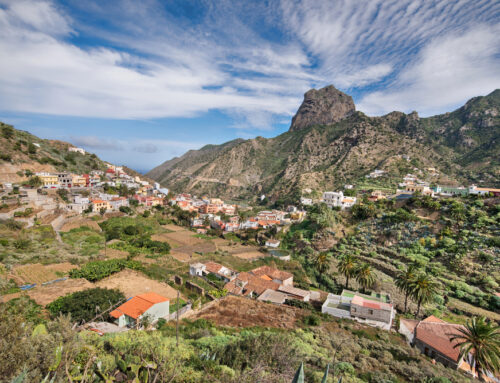
If you are looking for a unique contrast to Lanzarote’s volcanic landscape, La Gomera Spain will surprise you with its lush nature and unmatched tranquility.
Lanzarote’s Climate and Weather Patterns
Lanzarote enjoys a unique climate that greatly contributes to its appeal as a holiday destination.
The island’s weather patterns are influenced by its geographical location and volcanic landscape, ensuring generally pleasant conditions throughout the year.
Subtropical Climate Characteristics
The climate of Lanzarote can be classified as subtropical, featuring warm temperatures and low humidity.
The average annual temperature ranges between 19°C and 25°C, creating an inviting environment for visitors.
This consistent warmth is complemented by gentle trade winds, which help keep the heat at bay.
- The summer months see daytime temperatures often exceeding 30°C, particularly from June to August.
- The winters are milder, with average daytime temperatures fluctuating between 19°C and 23°C.
- Rainfall is scarce, mostly occurring during the winter months, with annual precipitation averaging around 150 mm.
Seasonal Weather Changes
While Lanzarote Spain enjoys generally stable weather, there are noticeable seasonal changes that may affect visitors.
The island experiences two main seasons: a warm, dry summer and a milder, slightly wetter winter.
- In spring (March to May), temperatures begin to rise, making it an attractive time for those who prefer moderate weather.
- Summer months can be quite hot, particularly in July and August, ideal for beachgoers and sun-seekers.
- Autumn (September to November) marks a gradual cooling, with pleasant weather and less crowded beaches.
- During winter (December to February), temperatures remain mild, perfect for outdoor activities without the intense heat.
Best Times to Visit
The ideal times to visit Lanzarote Spain greatly depend on personal preferences regarding weather and activities. Generally, the following periods are recommended:
- Spring and autumn provide comfortable temperatures, making them perfect for sightseeing and outdoor excursions.
- Summer is best for beach enthusiasts, although expect higher tourist traffic during this peak season.
- Winter offers a quieter experience with mild temperatures, ideal for exploring the island’s attractions without the crowds.
Lanzarote Holidays: Planning Your Stay
Planning a holiday in Lanzarote Spain involves careful consideration of accommodation, activities, and popular tourist areas to ensure an enjoyable experience.
From comfortable hotels to vibrant local attractions, the island offers a wealth of options for every type of traveller.
Accommodation Options
Lanzarote provides a variety of accommodation options catering to a range of budgets and preferences.
Choices include:
-
Luxury Hotels
-
Family-Friendly Resorts:
Several hotels offer facilities tailored for families, including pools, child care, and activities suitable for all ages.
-
Self-Catering Apartments:
For those seeking more independence, self-catering options are plentiful, allowing guests to prepare their own meals and enjoy a homely atmosphere.
-
Budget Hostels:
Ideal for backpackers, hostels are available in various locations, offering affordable beds and communal spaces.
Cultural and Leisure Activities
The island’s rich culture provides an array of leisure activities.
Tourists can immerse themselves in local traditions and enjoy outdoor pursuits.
Notable activities include:
-
Art and Historical Tours:
Explore the legacy of César Manrique through guided tours of his iconic works, showcasing the blend of art and nature.
-
Outdoor Adventures:
Windsurfing, diving, and hiking are popular activities, with stunning locations like Famara Beach and Timanfaya National Park.
-
Local Festivals:
Experience Lanzarote’s lively atmosphere through various local festivities, celebrating everything from traditional music to gastronomic delights.
Popular Tourist Areas
Several areas stand out as must-visit locations for tourists. Each provides unique experiences, from natural wonders to cultural hotspots. Highlights include:
-
Puerto del Carmen:
Known for its vibrant nightlife and beautiful beaches, this area is a hub for tourists looking to relax and enjoy the sun.
-
Costa Teguise:
A family-friendly resort famous for water sports, offering a laid-back atmosphere with numerous cafes and shops.
-
Arrecife:
The island’s capital combines rich history with a contemporary vibe, featuring shops, a picturesque marina, and local eateries.
Flights to Lanzarote
Lanzarote Spain is accessible through a variety of flight options, catering to both international and inter-island travel, making it a convenient destination for many travellers.
International and Inter-Island Connections
Lanzarote’s main gateway is César Manrique-Lanzarote Airport, which welcomes numerous international flights from various European cities.
If you want to complement your trip to Lanzarote Spain with a destination full of serenity and natural beauty, El Hierro Spain is the perfect choice.
During peak seasons, the airport experiences a surge in activity, with direct flights connecting Lanzarote to the UK, Germany, the Netherlands, and Ireland.
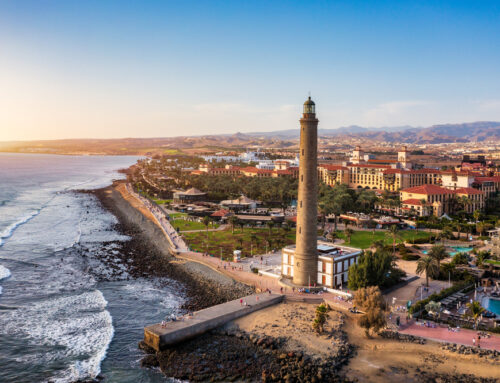
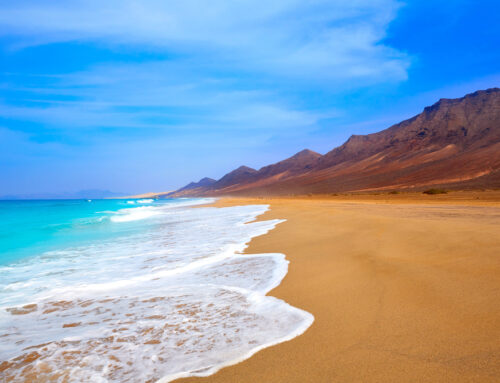
Inter-island connections are also available, providing easy access from other Canary Islands such as Tenerife Spain, Gran Canaria Spain, and Fuerteventura Spain, which can be especially useful for multi-island itineraries.
Yours Free
Please click / tap on the image below:
Major Airlines and Routes
Several major airlines operate flights to Lanzarote, including both low-cost and traditional carriers.
Popular airlines include:
- Ryanair
- EasyJet
- British Airways
- Norwegian Air
- Jet2
These airlines offer flights from key destinations across the UK, such as London, Manchester, and Edinburgh, facilitating access to the island with convenient travel schedules.
Tips for Booking
When booking flights to Lanzarote Spain, several tips can aid in securing the best deals:
- Book in advance to take advantage of early-bird discounts.
- Consider travelling during the shoulder seasons (spring and autumn) to find lower fares.
- Compare prices across different booking platforms to ensure competitive rates.
- Be flexible with travel dates, as minor adjustments can result in significant savings.
It is also wise to keep an eye on airline promotions and to sign up for fare alerts.
By following these suggestions, travellers can optimise their travel planning and enjoy a seamless journey to Lanzarote.
Biodiversity and Conservation in Lanzarote
Lanzarote boasts a unique ecosystem shaped by its volcanic landscapes and arid climate.
The island’s efforts in conservation highlight the importance of preserving its diverse flora and fauna.
Unique Flora and Fauna
The biodiversity of Lanzarote Spain is remarkable, featuring both endemic and adaptable species.
The island is home to various plants such as:
- Cardón (Echinocactus ingrindientatus)
- Tabaiba (Euphorbia spp.)
- Numerous endemic wildflowers
These species have adapted to the harsh conditions, showcasing resilience.
The shores of Lanzarote provide a habitat to various marine life, with the coastal waters supporting:
- Diverse fish species
- Endangered sea turtles
- Numerous migratory birds
UNESCO Biosphere Reserve
In 1993, Lanzarote was designated as a UNESCO Biosphere Reserve, recognising its commitment to protecting biodiversity.
This status acknowledges the balance between conservation and sustainable development.
The reserve status promotes:
- Education and research on the island’s ecology
- Conservation of its unique habitats and species
- Encouragement of eco-friendly tourism practices
Sustainable Tourism Practices
To protect its environment, Lanzarote Spain actively promotes sustainable tourism.
Visitors are encouraged to participate in practices such as:
- Minimising waste through recycling initiatives
- Using public transport or cycling to reduce carbon footprints
- Supporting local businesses that prioritise sustainability
These measures have become integral to conserving Lanzarote’s natural beauty while allowing people to experience the island’s ecological treasures.
The aim is to ensure that future generations can enjoy these unique landscapes and wildlife.
The Artistic Legacy of César Manrique
César Manrique was a pivotal figure in shaping the cultural identity of Lanzarote.
His artistic vision and profound respect for the island’s natural environment remain evident in the various landmarks and spaces he created.
Manrique’s Influence on Architecture
Manrique’s architectural style is characterised by a seamless integration of natural elements with artistic creativity.
He believed that architecture should enhance, rather than disrupt, the beauty of its surroundings.
His innovative approach led to the creation of structures that cleverly utilise local materials and form.
Key features of his design philosophy include:
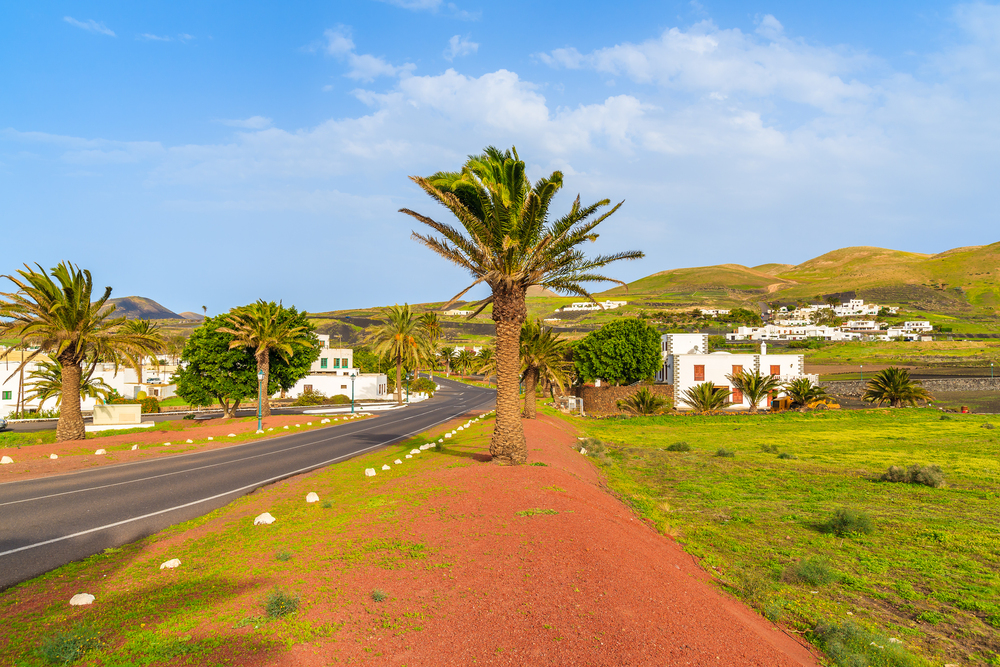
- Use of volcanic stone and whitewashed walls.
- Large windows to maximise natural light and views.
- Incorporation of water features and greenery within his projects.
Key Works and Attractions
Several attractions reflect Manrique’s legacy and his commitment to preserving Lanzarote’s landscape.
Notable works include:
- Jameos del Agua: A unique complex featuring a subterranean lake and a concert hall, all set within a series of volcanic tunnels.
- El Mirador del Río: An observation point offering breathtaking views of the Chinijo Archipelago, designed to complement the natural vistas.
- Jardín de Cactus: A stunning garden showcasing a diverse array of cacti, elegantly arranged in a former quarry.
Blending Art with Nature
Manrique’s genius lay in his ability to create harmonious environments that celebrate both art and nature.
He believed that art should not be confined to galleries but should exist within the context of daily life.
His approach to public spaces encourages interaction and appreciation of the natural world.
The principles he championed continue to influence local artists and architects, promoting a sustainable dialogue between creativity and ecology.
Manrique’s legacy is not just a reflection of his work but a model of how to cultivate a deeper appreciation for the environment through artistic expression.
Lanzarote’s Rich Culinary Scene
The culinary landscape of Lanzarote Spain is a vibrant fusion of flavours, deeply tied to its local produce and traditions.
With access to fresh seafood and unique ingredients grown in its volcanic soil, the island’s cuisine reflects both its geographical bounty and cultural heritage.
Traditional Dishes and Ingredients
At the heart of Lanzarote’s gastronomy are a number of traditional dishes that showcase the island’s flavours.
Key ingredients include:
- Papas arrugás: These are local potatoes, typically served with a spicy sauce known as mojo, which comes in various forms, including green (mojo verde) and red (mojo rojo).
- Gofio: A traditional flour made from roasted grains, often used in various dishes, adding a unique texture and flavour.
- Seafood: Given its location, the island boasts fresh fish dishes, including the popular cherne (wreckfish), often grilled or served with local sauces.
These dishes reflect the island’s connection to the sea and its agricultural practices, with flavours that are both rustic and refined.
Chefs on the island pride themselves on using fresh, local ingredients to create meals that tell the story of Lanzarote.
Wineries and Wine Tours
Lanzarote Spain is also renowned for its unique wine production, particularly the Malvasía grape, which thrives in the island’s volcanic soil.
The distinctive landscape of La Geria, with its semi-circular stone walls protecting the vines from the wind, creates a picturesque setting for wine lovers.
- Bodega tours: Visitors can enjoy guided tours of local wineries, learning about traditional and modern wine-making techniques.
- Tastings: Many wineries offer tastings, where one can sample various wines, paired with local cheeses and tapas.
- Wine festivals: Seasonal events celebrate the island’s wine culture, highlighting the rich heritage and community spirit of Lanzarote.
Local Food Markets
Exploring local food markets is a must for experiencing the culinary culture of Lanzarote.
These markets provide a chance to taste fresh produce and local delicacies, surrounded by the lively atmosphere of the island.
- Teguise Market: A popular market held every Sunday, where visitors can find handmade crafts, fresh fruits, and traditional foods.
- Playa Blanca Market: Known for its vibrant offerings of local artisan products, this market is perfect for those looking to bring a taste of Lanzarote home.
Markets play a significant role in the island’s culture, promoting sustainable practices and supporting local farmers and artisans.
Must-See Attractions and Activities
Lanzarote Spain is home to a variety of stunning attractions and activities, making it a memorable destination for visitors.
The island’s unique landscapes and cultural sites offer something for everyone.
Timanfaya National Park
Timanfaya National Park is perhaps Lanzarote’s most iconic site. Established to protect its dramatic volcanic landscapes, the park features a mesmerizing display of craters, lava fields, and geothermal activity.
- The famous Fire Mountain is a highlight, where visitors can witness demonstrations of the Earth’s heat, including geysers and burning bush demonstrations.
- Guided tours through the park reveal the beauty of the stark and surreal terrain, providing information about the eruptions that shaped the island in the 18th century.
- Additionally, the park features a restaurant that cooks food over volcanic heat, offering a unique dining experience.
Jameos del Agua and Cueva de los Verdes
Jameos del Agua is a cultural and tourist centre designed by the renowned artist César Manrique, seamlessly blending nature and architecture.
- The site includes a subterranean lake, where visitors can see the unique blind crabs endemic to the area.
- Cueva de los Verdes, a short distance away, consists of a series of lava tubes formed by volcanic activity. Guided tours take visitors through its enchanting formations and illuminate its historical significance.
Mirador del Río
This stunning viewpoint, also designed by Manrique, offers breathtaking views over the northern islands of the Canary archipelago. Situated in a remote location atop a cliff, it is an ideal spot for photography and relaxation.
- The design integrates with the landscape, featuring a café where visitors can enjoy refreshments while soaking in the majestic views.
- Interpretative displays provide insight into the area’s geology and ecology, enhancing the experience.
Playa Blanca Beaches
Playa Blanca is famous for its beautiful beaches, offering a range of activities and relaxation options. Soft golden sands and clear waters invite sunbathers and water sports enthusiasts alike.
- Popular beaches include Playa Dorada and Playa Flamingo, both equipped with facilities for a comfortable day out.
- The promenade is lined with restaurants and shops, providing ample options for dining and leisure in a picturesque setting.
Practical Tips for Travellers
When travelling to Lanzarote, it’s beneficial to be prepared with practical information to enhance the experience. This section outlines vital tips regarding transportation, local customs, and essential insights for a smooth trip.
Getting Around the Island
Exploring Lanzarote Spain can be an enjoyable experience, especially with the right transportation options. Here are some common methods to navigate the island:
- Car Hire: Renting a car is a popular choice, offering flexibility to explore remote areas and hidden gems at leisure. Many rental companies are available at the airport and throughout the island.
- Buses: The island has a reliable bus service that connects major towns and attractions. The timetables are generally easy to follow, making public transport a convenient option for those who prefer not to drive.
- Taxis: Taxis are widely available and can be flagged down or booked in advance. They are a good choice for shorter journeys or when travelling in groups.
Navigating Local Customs
Understanding local customs can enrich the travel experience significantly. Some key points to consider include:
- Language: While Spanish is the official language, many locals speak English, particularly in tourist areas. Nevertheless, learning a few basic Spanish phrases can be beneficial and appreciated.
- Dining Etiquette: Meal times tend to be later than in some other cultures. Lunch is often served from 1:30 PM, and dinner usually doesn’t start until 8 PM or later. Tipping is customary, generally around 5-10% of the bill.
- Cultural Respect: When visiting places of worship or taking part in local festivals, it is important to dress appropriately and respect local traditions.
Essential Travel Insights
Being informed about essential practicalities can save time and prevent potential issues. Consider these insights:
- Currency: The Euro is the official currency. Credit and debit cards are widely accepted, though it’s wise to carry some cash for smaller purchases or in rural areas.
- Emergency Numbers: In case of emergencies, the number for police is 112. Familiarising oneself with local emergency contacts can be useful.
- Health Insurance: Having travel insurance that covers health issues is highly recommended, ensuring peace of mind while enjoying the island.
Yours Free
Please click / tap on the image below:
If you would like to read about other important points for living / moving to Spain, here are other useful articles we wrote: