El Hierro, the smallest of the Canary Islands Spain, boasts a unique blend of stunning landscapes and rich culture.
Renowned for its volcanic origins, this island is home to diverse flora and fauna, some of which are found nowhere else in the world.
With a history that reflects both ancient traditions and modern developments, El Hierro offers a variety of experiences for visitors.
The island is also committed to sustainability, making it an attractive destination for eco-conscious travellers.
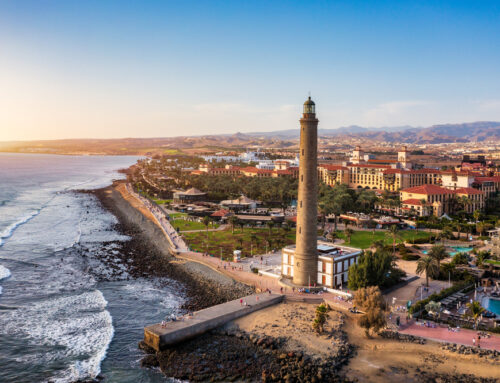
Explore the Canary Islands’ diversity, from the volcanic landscapes of El Hierro to the lush beauty of La Palma Spain.

Before we start… Yours Free
Please click / tap on the image below:

The Unique Geography and Climate of El Hierro Spain
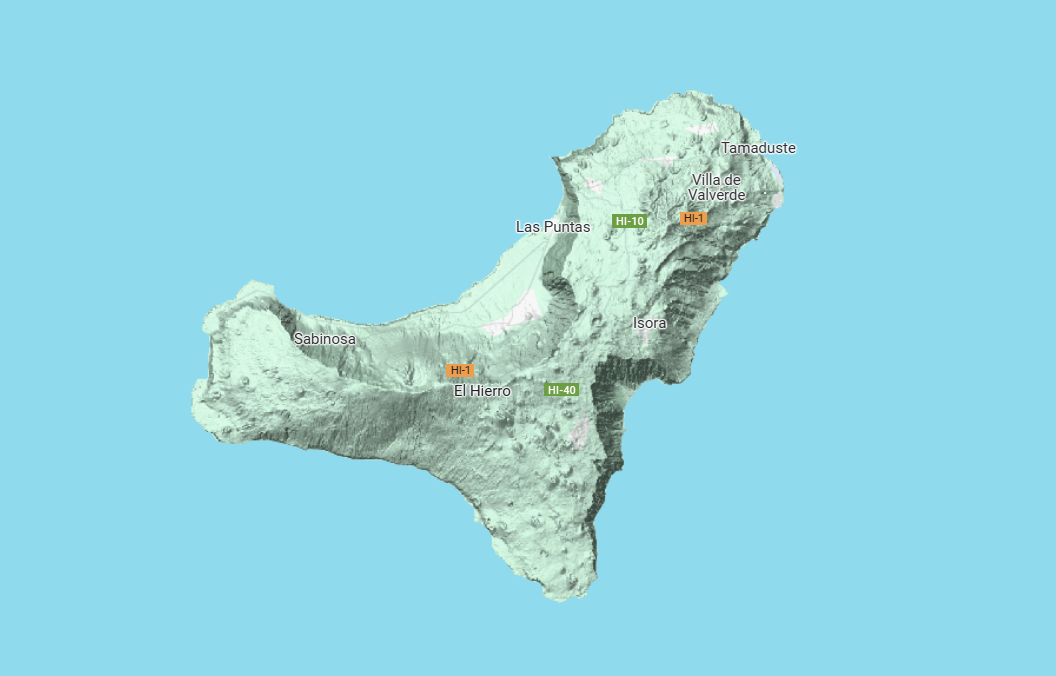
El Hierro boasts a distinctive geography and climate influenced by its volcanic origins, creating a captivating landscape and a unique environment.
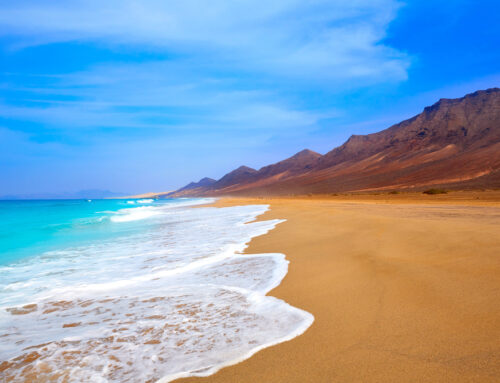
Fuerteventura Spain, just like El Hierro, stands out for its volcanic landscapes and its strong connection with the Canary Islands’ nature.
Geographic Features
El Hierro is characterised by its dramatic topography, marked by steep cliffs, lush valleys, and striking volcanic formations.
The island’s highest point is the Pico de las Nieves, which reaches 1,500 metres above sea level.
Key geographic features include:
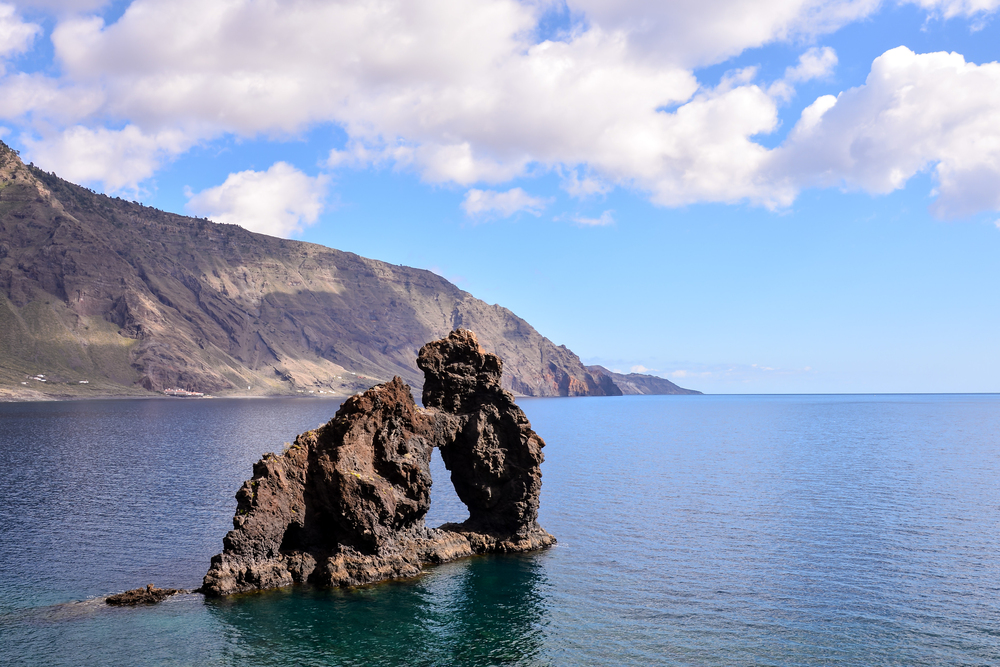
- Cliffs and Ravines: The island is surrounded by steep cliffs that drop into the Atlantic Ocean, offering breathtaking views and rich biodiversity.
- Volcanic Landscape: El Hierro’s volcanic origins are evident in its rugged terrain and the formation of unique geological structures such as craters and lava fields.
- Lush Vegetation: The varied altitude and climate create different ecosystems, from laurisilva forests to arid coastal areas.
Climatic Conditions
The climate of El Hierro Spain is generally mild and temperate, influenced by both its geographical elevation and surrounding ocean.
Average temperatures rarely fall below 18°C, resulting in a pleasant atmosphere year-round.
Key climatic characteristics include:
- Mediterranean Influence: The central region experiences a subtropical Mediterranean climate, with warmer temperatures and occasional rain.
- Coastal Variability: Coastal areas tend to be warmer and dryer, while the island’s interior receives more rainfall, supporting diverse flora.
- Wind Patterns: Trade winds from the Atlantic contribute to the island’s microclimates, enhancing its ecological diversity.
Impact of Volcanic Activity
Volcanic activity has significantly shaped El Hierro’s landscape and ecosystem.
The island is still seismically active, with recent events highlighting its volcanic nature.
The impact includes:
- Landform Creation: New landforms such as underwater vents and ash cones are continuously formed, affecting the local geography.
- Soil Fertility: Volcanic ash enriches the soil, promoting the growth of unique plant species that thrive in this environment.
- Tourism Appeal: The unique volcanic features attract visitors, contributing to the growing interest in geotourism on the island.
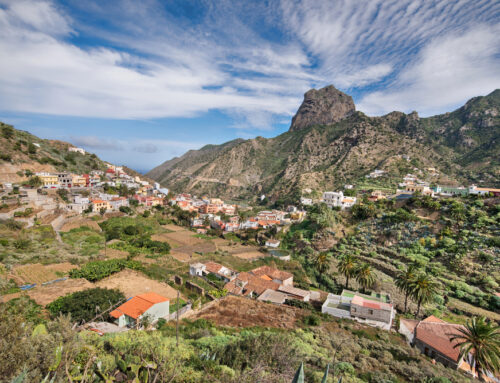
From El Hierro’s volcanic landscapes to La Gomera’s pristine coastlines, each Canary Island offers a unique perspective on the archipelago’s natural beauty and cultural heritage.
The Rich History of El Hierro
The history of El Hierro Spain is a tapestry woven with ancient tales, colonial strife, and modern challenges.
The island’s past highlights the resilience and adaptability of its inhabitants throughout the centuries.
Early Inhabitants and the Bimbaches
The original population of El Hierro consisted of the Bimbaches, a group of indigenous people who thrived on the island prior to European arrival.
Their society was characterised by a deep connection to the land, relying on agriculture, fishing, and the gathering of wild resources for sustenance.
Evidence suggests that they established complex systems to manage water resources, which were crucial given the island’s limited rainfall.
The Bimbaches maintained a rich cultural life, reflected in their traditional songs, dances, and crafts.
They built settlements across the island, adapting to the rugged terrain and utilising natural materials to construct shelters.
Their heritage remains a vital part of El Hierro’s identity today.
European Conquest and Its Consequences
The arrival of Europeans in the 15th century marked a significant turning point for El Hierro Spain.
In 1404, French conquistador Jean de Béthencourt claimed the island for Spain, integrating the Bimbaches into a new socio-political framework.
The initially cooperative relationship between the natives and the colonisers quickly deteriorated, leading to conflicts over land and resources.
- Resistance against European encroachment stirred amongst the indigenous population.
- Many Bimbaches suffered from violence and disease, devastating their communities.
- The historic promise of coexistence was overshadowed by the harsh realities of colonisation.
This period laid the groundwork for future struggles as the new settlers imposed their customs, language, and religion on the native population, reshaping the island’s cultural landscape forever.
Modern Developments and Seismic Activity
In contemporary times, El Hierro has dealt with significant challenges, particularly due to its geological nature.
The island experienced a notable eruption in 2011 that followed thousands of seismic events, a reminder of its active volcanic status.
This activity not only transformed parts of the landscape but also stimulated interest in the island’s unique geological features, attracting researchers and tourists alike.
Modern residents are often reminded of their island’s past through its architecture, archaeological sites, and ongoing discussions about the blending of traditional and modern lifestyles.
The rich history of El Hierro Spain continues to shape its future, as the local population seeks to honour its roots while navigating the complexities of the modern world.
Flora and Fauna of El Hierro
The unique biodiversity of El Hierro is a testament to its distinctive geographical features and climate.
This island is home to a variety of endemic species that thrive in its volcanic landscapes, making it a significant area for conservation.
Endemic Species and Conservation Efforts
El Hierro Spain is renowned for its rich array of endemic species, many of which are not found anywhere else in the world.
The island’s varied ecosystems, from arid coastal areas to lush laurisilva forests, provide habitats for numerous plants and animals.
- Flora: Over 100 plant species are unique to El Hierro, including the striking El Hierro Bellflower (Canarina canariensis) and the fragrant Canary Island Pine (Pinus canariensis).
- Fauna: The island also boasts a diversity of animal life, including several bird species such as the Blue Chaffinch (Fringilla teydea) and the Eleonora’s Falcon (Falco eleonorae).
Conservation efforts are critical on El Hierro Spain, particularly for protecting these endemic species.
Initiatives include the restoration of natural habitats and the establishment of protected areas to ensure their survival.
Local institutions collaborate with international organisations to promote sustainability and conservation awareness among residents and visitors alike.
The Role of the UNESCO Biosphere Reserve
Designated a UNESCO Biosphere Reserve in 2000, El Hierro serves as a prime example of sustainable development and ecological preservation.
This status recognises the island’s significant biodiversity and its unique ecosystems.
The Biosphere Reserve aims to balance conservation with sustainable use of resources.
It serves as a research area for scientists and a living laboratory for ecological studies.
Local communities are encouraged to participate in conservation efforts, enhancing their engagement with the island’s natural heritage.
Notable Wildlife: The Hierro Giant Lizard
One of the island’s most remarkable inhabitants is the Hierro Giant Lizard (Gallotia simonyi), which is critically endangered.
Once widespread, its population has drastically decreased due to habitat destruction and the introduction of invasive species.
- This lizard is an important part of the ecosystem, contributing to the balance of its natural habitat.
- Conservation programmes focus on habitat restoration and the control of invasive species to improve the survival chances of this unique reptile.
The Hierro Giant Lizard’s plight highlights the broader conservation challenges facing the island’s unique wildlife.
Ongoing research and awareness campaigns are vital for ensuring a future where these endemic species can thrive in their natural environment.
Cultural Delights and Gastronomy of El Hierro
The cultural scene and culinary offerings on El Hierro reflect the island’s rich heritage and local resources.
Visitors can experience traditional flavours and vibrant celebrations that embody the spirit of the island.
Traditional Foods and Local Cuisine
The cuisine of El Hierro Spain is characterised by its fresh produce, local seafood, and traditional methods of preparation.
Local dishes often highlight the flavours of the ocean, with an emphasis on sustainability and freshness.
- Fresh Fish: Renowned for its high quality, local fish is a staple on the island. Common catches include tuna and sardines, often grilled or served as part of traditional stews.
- Papas Arrugadas: This classic Canarian dish features small, wrinkled potatoes boiled in salty water and served with mojo sauce, either green or red, made from herbs or chillies.
- Queso de Cabra: Goat cheese from El Hierro is celebrated for its distinctive flavour. It is often used in various dishes, from salads to desserts, and pairs beautifully with local wines.
- Almogrote: A traditional paste made from cheese, peppers, and spices, it is typically spread on bread and enjoyed as a tapas dish.
Festivals and Cultural Events
The island hosts a variety of festivals that celebrate its culture, traditions, and gastronomy.
These events play a crucial role in preserving local customs and fostering community spirit.
- Bajada de la Virgen: This annual festival, taking place in early September, honours the island’s patron saint. It features colourful processions, music, traditional costumes, and vibrant dances.
- Feria del Queso: This cheese fair in May showcases local cheeses, encouraging tastings and the celebration of local dairy farming traditions.
- Fiestas de San Andrés: Celebrated in November, this event features folk music, traditional foods such as roasting chestnuts, and lively street parties.
- Carnivals: The islands’ festive carnival season includes parades, elaborate costumes, and lively performances, reflecting the rich traditions of the Canarian people.
Yours Free
Please click / tap on the image below:
Exploring El Hierro: Activities and Attractions
El Hierro Spain offers a diverse range of activities and attractions, showcasing its stunning natural beauty and vibrant culture.
From outdoor adventures to serene spots for relaxation, the island provides something for every type of visitor.
Hiking and Outdoor Adventures
The mountainous terrain of El Hierro presents numerous opportunities for hiking enthusiasts.
The island boasts a network of trails that cater to varying skill levels, allowing individuals to explore its breathtaking landscapes.
-
Camino de Jinama
This scenic trail is approximately 3 kilometres long and rewards walkers with spectacular views over the coastline and surrounding valleys.
It’s a relatively easy hike, suitable for families and those looking to enjoy the natural scenery.
-
Los Sabinas
Known for its rich biodiversity, this route takes visitors through diverse ecosystems, including laurisilva forests and stunning cliffs.
This moderate hike is ideal for nature lovers eager to witness the flora and fauna of the island.
Diving and Marine Life
The coastal waters surrounding El Hierro are renowned for their rich marine ecosystem, making the island a premier diving destination.
The clarity of the water and diverse aquatic life attract divers from around the globe.
-
Diving Sites
With over 40 officially recognised diving spots, El Hierro caters to both beginners and seasoned divers.
Some notable locations include the underwater volcanic formations and vibrant coral reefs.
-
Marine Biodiversity
Visitors can expect to encounter a variety of sea life, including colourful fish, sea turtles, and even dolphins.
The presence of these species highlights the need for conservation efforts in the region.
Attraction Highlights: Natural Pools and Scenery
El Hierro is home to several stunning natural attractions, particularly its natural swimming pools, which offer a unique swimming experience amid spectacular volcanic landscapes.
-
Charco Azul
This idyllic natural pool is famous for its crystalline waters and scenic surroundings, making it an ideal spot for swimming and relaxation.
-
La Maceta
Another beautiful natural pool, La Maceta is known for its calm waters and striking views, providing a perfect oasis for visitors to unwind.
Sustainable Tourism in El Hierro
Sustainable tourism is a crucial aspect of El Hierro’s development, focusing on preserving its unique environment and cultural heritage while promoting local economic growth.
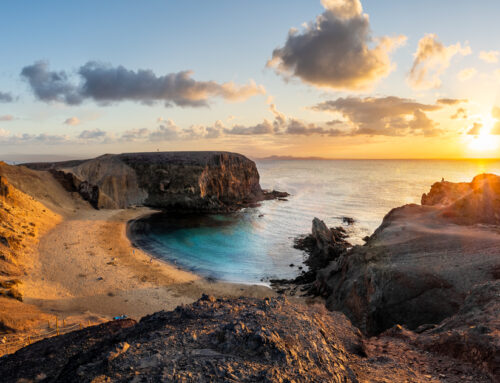
Like El Hierro, Lanzarote Spain, uses sustainable tourism and environmental protection as a fundamental part of its identity.
The island has become a model for sustainability through innovative practices and community involvement.
Commitment to Renewable Energy and Self-Sufficiency
The island’s commitment to renewable energy is evident in its ambitious goal of achieving complete energy self-sufficiency.
This effort is primarily supported by the generation of wind and hydroelectric power. Key initiatives include:
- The Gorona del Viento project, which combines wind and hydroelectric energy to produce clean electricity.
- The establishment of various wind farms across the island, utilising its natural resources to supply power sustainably.
- Encouragement of local businesses to adopt eco-friendly practices and technologies to reduce their carbon footprint.
El Hierro’s dedication to sustainability extends to transportation systems as well, with initiatives aimed at reducing emissions and promoting cleaner modes of travel.
The island promotes electric vehicles and has undertaken improvements to public transport to facilitate easier access for visitors while minimising environmental impact.
Strategies for Maintaining Sustainable Tourism
To ensure that tourism develops responsibly, El Hierro Spain has implemented comprehensive strategies that involve both government and local communities.
Key strategies include:
- Strict regulations on the number of visitors allowed during peak seasons to prevent overcrowding and protect natural resources.
- Promotion of ecotourism activities such as hiking, diving, and nature observation that align with conservation goals.
- Investment in local infrastructure that supports sustainability, including waste management systems and recycling initiatives.
Community engagement is a significant part of these strategies, as locals are encouraged to participate in decision-making processes related to tourism development.
This fosters a sense of ownership and responsibility towards preserving the island’s natural beauty and cultural identity.
These collective efforts underline El Hierro’s mission to be a leader in sustainable tourism, enabling visitors to enjoy its natural wonders while contributing positively to the local community and environment.
El Hierro Holidays: Planning Your Visit
Planning a holiday to El Hierro offers a unique opportunity to explore its rich culture and stunning landscapes.
The following sections detail accommodation options, travel tips, and booking advice to ensure a memorable stay.
Accommodation and Hotels
El Hierro provides a range of accommodation options, from luxury hotels to charming rural guesthouses.
Most hotels are strategically located to allow easy access to essential attractions and natural wonders.
Recommended Places to Stay
- Hotel Balneario de El Hierro: A picturesque hotel featuring thermal baths, ideal for relaxation.
- It is located near the beautiful coastline, offering stunning ocean views.
- Casa Rural El Morro: A traditional rural house providing an authentic experience. Set in tranquil surroundings, it is perfect for those looking to escape the hustle and bustle.
- Hotel Punta Grande: Regarded as one of the smallest hotels in the world, it offers exquisite views and a cosy atmosphere, situated right on the cliffs.
Travel Tips and How to Get There
Reaching El Hierro requires careful planning.
The island is accessible by air and sea, with limited direct flights and ferry services from mainland Canary Islands.
Air travel is the most convenient method, with several daily flights from Tenerife Spain and Gran Canaria Spain.
The local airport is a short drive from most accommodations.
For those preferring a scenic route, ferries sail regularly from Los Cristianos, allowing passengers to enjoy the stunning seascape.
Booking with Tour Operators Like TUI
Using tour operators such as TUI can simplify the process of planning a holiday to El Hierro.
They offer package deals that include flights, accommodation, and activities, making the planning process more straightforward.
Additionally, booking with an operator often affords access to exclusive tours and experiences, enhancing the overall holiday experience.
Popular activities such as diving excursions, guided hikes, and cultural tours can often be arranged through these services.
FAQs About El Hierro
This section addresses common queries regarding El Hierro, providing insights into the island’s features and helping potential visitors prepare for their trip.
Common Questions and Answers
-
What is the best time to visit El Hierro?
The ideal time to visit El Hierro is during spring (April to June) and autumn (September to November).
The temperatures are mild, and the island is less crowded.
Summer can be hot, while winter, although warmer than mainland Europe, may experience more rainfall.
-
Is it easy to get around the island?
Getting around El Hierro is relatively straightforward.
Public transport is available, but many visitors prefer to rent a car to explore remote areas.
Roads are well-maintained, and the compact nature of the island makes for easy navigation.
-
What currency is used in El Hierro?
The currency used is the Euro (€). Credit and debit cards are widely accepted, but it is advisable to carry some cash for smaller establishments and rural areas.
-
Are there ATMs on the island?
Yes, ATMs are available in main towns like Valverde, La Restinga, and Frontera.
However, it is wise to withdraw cash early in your visit, as some rural areas might have limited access to cash machines.
-
What types of activities can visitors enjoy?
El Hierro offers various activities, including hiking, diving, and enjoying local cuisine.
The island is known for its beautiful natural pools and stunning landscapes, making it perfect for outdoor enthusiasts.
Tips for First-Time Visitors
-
Pack accordingly for outdoor activities.
Visitors should bring appropriate clothing and footwear for hiking and outdoor activities.
Sun protection is essential, even on cloudy days.
-
Try local foods.
Sampling local delicacies is a must. Dishes such as grilled fish, ‘mojo’ sauce, and ‘queso de cabra’ offer a taste of the island’s culinary heritage.
-
Embrace eco-friendly practices.
Respecting the natural environment is crucial.
Visitors are encouraged to follow ‘leave no trace’ principles to preserve El Hierro’s beauty.
-
Be prepared for limited Wi-Fi.
While there are Wi-Fi hotspots in towns, connectivity may be weaker in rural areas.
It is advisable to download maps and information ahead of time.
-
Learn a few Spanish phrases.
Though many locals speak English, learning basic Spanish phrases can enhance interactions and show respect for the island’s culture.
Yours Free
Please click / tap on the image below:
If you would like to read about other important points for living / moving to Spain, here are other useful articles we wrote: