Castilla Leon Spain is the largest autonomous community in Spain, located in the northwest part of the country.
It comprises nine provinces and is known for its rich history, cultural heritage, and diverse landscapes.
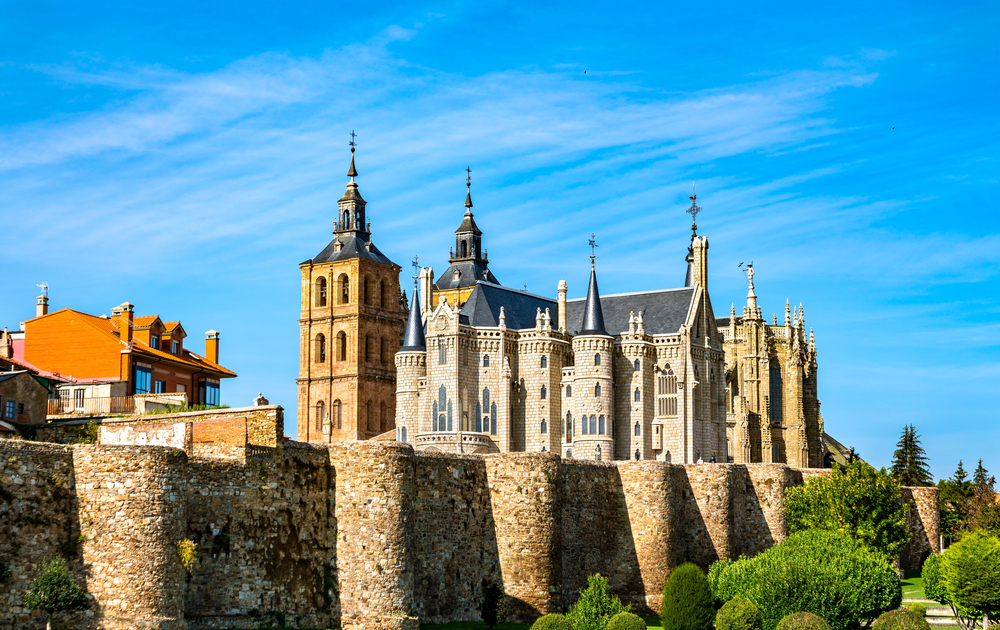
The region features a mix of historical sites, including impressive cathedrals and medieval castles.
Its geographical characteristics include flat mesetas and surrounding mountain ranges, providing varied natural beauty throughout the area.

Before we start… Yours Free
Please click / tap on the image below:

The Historical Formation of Castilla Leon Spain
The historical evolution of Castilla y Leon is a tale of two powerful medieval kingdoms that shaped the course of Spanish history.
This region reflects a blend of cultures, historical events, and territorial changes that contributed to its significant role in the Iberian Peninsula.
Medieval Origins and Kingdoms
The roots of Castilla y Leon can be traced back to the early Middle Ages.
The Kingdom of Leon emerged in the 9th century, primarily influenced by the Christian Reconquista.
This period saw the establishment of León as one of the foremost Christian kingdoms in Iberia.
Simultaneously, the Kingdom of Castile began to form, also playing a vital role during the Reconquista.
Initially a part of León, Castile gradually gained autonomy, especially under the leadership of figures like Count Fernán González in the 10th century.
By the 11th century, Castile had evolved into a powerful kingdom, leading to frequent conflicts and alliances with León.
The struggle for dominance between these two kingdoms marked a pivotal point in their development, often resulting in changes in territory and influence.
Their eventual unification under the Crown of Castile in 1230 under Ferdinand III solidified a political landscape that would shape modern-day Spain.
Creation of the Autonomous Community
The modern political structure of Castilla y Leon was established in the late 20th century.
On 25th February 1983, the region was officially designated as an autonomous community of Spain.
This formation involved the unification of the provinces of León, Zamora, Salamanca, Ávila, Burgos, Palencia Spain, Segovia, Soria Spain, and Valladolid.
This restructuring aimed to provide regional governance and autonomy, reflecting the historical significance of both León and Castile.
The provincial assemblies were granted powers regarding education, health, and other regional matters, allowing for a more tailored governance approach reflecting the unique cultural heritage of the area.
Influence of Leon and Castile on Modern Boundaries
The historical kingdoms of León and Castile have left an indelible mark on the boundaries of modern Castilla y Leon.
Their historical territories have largely influenced the present-day layout of provinces within the autonomous community.
Among these influences, key cities such as León, Burgos, and Valladolid Spain have emerged as cultural and political centres, echoing their historical significance.
The legacy of these kingdoms continues to be felt in the region, from the architecture of medieval castles and churches to the cultural practices that celebrate their rich history.
Today, the blend of influences from both León and Castile can be observed in various aspects, such as linguistic variations, culinary traditions, and local customs.
This historical interplay has created a unique regional identity that endures as a fundamental component of gaining a deeper understanding of the area.
Geographical Diversity and Natural Landscapes
The region’s geographical diversity is characterised by a stunning array of landscapes, ranging from expansive plateaus to rugged mountain ranges.
This variety contributes to its unique ecosystems and breathtaking views.
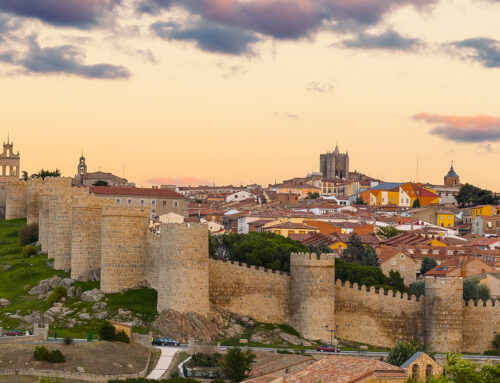
Likewise, the city of Ávila Spain stands out for its mountainous environment next to the Sierra de Gredos, which provides natural landscapes of great ecological and visual value.
The Meseta Central and Its Characteristics
The Meseta Central is a vast plateau that lies at the heart of Castilla y León.
Predominantly elevated between 600 and 1,200 metres above sea level, it features a predominantly flat terrain dotted with rolling hills.
This extensive area is known for its agricultural productivity, where crops such as wheat, barley, and maize are cultivated.
The Meseta also experiences significant temperature variations between seasons, influencing both its flora and fauna.
Surrounding Mountain Ranges
Encircling the Meseta Central are several noteworthy mountain ranges that enhance the region’s geographical complexity.
These mountains provide not only dramatic landscapes but also diverse climates and habitats.
The Cantabrian Mountains
The Cantabrian Mountains lie to the north of the region and are known for their steep slopes and lush greenery.
This mountain range is part of the larger Cordillera Cantábrica and offers various protected areas, which are home to a rich array of wildlife, including species such as the Cantabrian brown bear.
The climate in this area is notably wetter than the Meseta, contributing to its verdant environment.
The Sierra de Guadarrama and the South
To the south, the Sierra de Guadarrama forms another significant mountain range.
It features rugged peaks and is part of the larger Sistema Central.
This range plays an essential role in shaping local weather patterns, with cooler temperatures and increased precipitation compared to lower areas.
The Sierra de Guadarrama is a popular destination for outdoor activities, such as hiking and skiing, attracting visitors throughout the year.
National and Natural Parks
Castilla y León is home to several national and natural parks, preserving its distinct landscapes and biodiversity.
These parks offer unique ecosystems and opportunities for ecotourism.
Picos de Europa National Park
Picos de Europa National Park is one of the most celebrated natural parks in Spain, offering dramatic limestone peaks and deep valleys.
This park is renowned for its spectacular scenery and its diversity of flora and fauna, including the endangered Iberian wolf.
Visitors to the park can explore numerous trails that reveal the stunning vistas of the Picos, as well as its rich cultural heritage through villages nestled within its boundaries.
The national park not only serves as a haven for nature enthusiasts but also plays a crucial role in preserving the region’s environmental heritage.
Climate and Weather Patterns
The climate in this region is primarily continental, characterised by distinct seasonal variations.
This results in a wide range of temperatures, impacting both the natural environment and the traditional lifestyle of its inhabitants.
Continental Climate Overview
Castilla y León experiences a continental climate, which is defined by significant temperature fluctuations between seasons.
The region’s geography, with its elevation and varied landscapes, contributes to these sharp contrasts.
Summers can be warm to hot, while winters are typically cold and often harsh, especially in the northern areas.
Seasonal Variations with Average Temperatures
Throughout the year, temperatures in Castilla Leon Spain exhibit substantial variation. Winter months, particularly January, can see lows that range from 3°C to 6°C, often accompanied by frost and occasional snowfall.
The average daytime temperatures during these months rarely exceed 10°C.
In contrast, summer months, especially July and August, witness average temperatures reaching between 19°C and 22°C.
During heatwaves, these temperatures can climb even higher, creating a stark contrast with the chilly winters.
Average Temperature Breakdown
- Winter (December to February): 3°C to 10°C
- Spring (March to May): 10°C to 18°C
- Summer (June to August): 19°C to 30°C
- Autumn (September to November): 10°C to 20°C
Precipitation and Snowfall
Precipitation levels in Castilla y León vary throughout the year, with most rainfall occurring during the autumn and spring months.
Annual rainfall averages between 400 mm to 600 mm.
Snowfall is common in the higher elevations, especially in the Sierra de Guadarrama and the Picos de Europa, which significantly contributes to the local water supply and hydrological cycles.
Precipitation Characteristics
- Autumn: Increased rainfall, especially in October and November
- Winter: Snowfall prevalent in mountainous areas
- Spring: Unpredictable precipitation, with some rain showers
- Summer: Generally dry, with rare thunderstorms in late afternoon
Cultural Heritage and World Heritage Sites
The rich cultural heritage of Castilla Leon Spain is exemplified by its remarkable architecture and numerous World Heritage Sites.
This region boasts a wealth of historical landmarks, showcasing its illustrious past and historical significance in Spain.
Notable Cathedrals and Historical Architecture
The architectural landscape of Castilla Leon Spain is dominated by stunning cathedrals and monuments that reflect various historical styles.
Key examples include:
- Cathedral of León: A masterpiece of Gothic architecture, this cathedral is known for its stunning stained glass windows and intricate stonework. Its construction began in the 13th century and has since been a significant religious and cultural symbol.
- Cathedral of Burgos: This iconic structure is a blend of Gothic and Renaissance styles, highlighting its artistic significance. Recognised for its stunning façade and impressive towers, it has stood since the 13th century.
- Romanesque Churches of the Region: Several towns feature well-preserved Romanesque churches that date back to the 11th and 12th centuries, offering insight into the architectural evolution of the area.
UNESCO World Heritage Sites
Castilla Leon Spain is home to several UNESCO World Heritage Sites, each bearing testament to its historical and cultural importance:
Cathedral of Burgos
The Cathedral of Burgos is a monumental work recognised for its artistic and architectural brilliance.
It has been an essential pilgrimage site and a landmark for centuries.
The interior is replete with chapels, altarpieces, and an imposing high altar, making it a jewel of Gothic architecture.
Old City of Salamanca
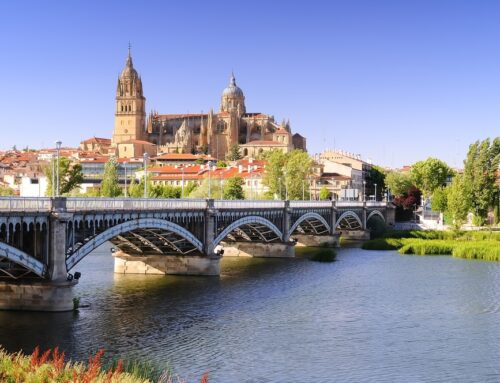
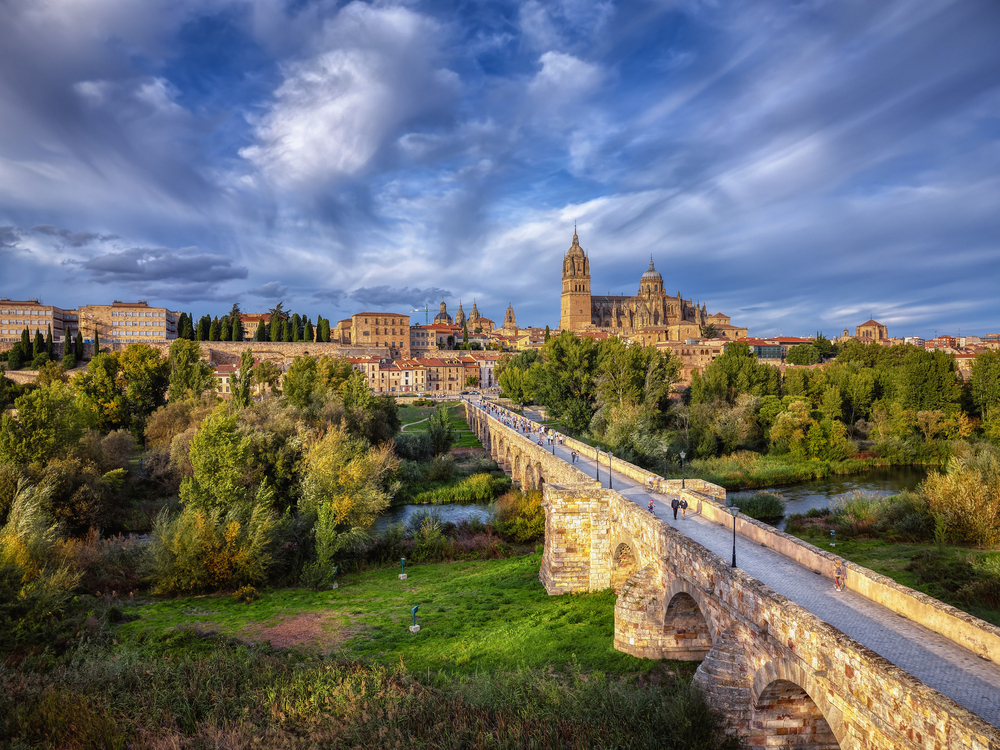
The Old City of Salamanca is celebrated not only for its architectural grandeur but also for being a vibrant centre of knowledge and learning.
The University of Salamanca, one of the oldest in the world, adds to its historical significance.
Visitors of Salamanca Spain are drawn to its elegant sandstone buildings that glow golden at sunset.
Famous Festivals: Holy Week
Holy Week in Castilla Leon Spain is renowned for its impressive processions and deep-rooted traditions.
Major cities like León, Zamora Spain, and Valladolid host elaborate celebrations that attract numerous visitors.
- León’s Processions: Known for their solemnity and artistic displays, these processions involve numerous brotherhoods that don traditional attire while carrying ornate religious symbols.
- Zamora’s Processions: Famous for their distinct music and unique rituals, the processions of Zamora represent a blend of spirituality and heritage, drawing crowds eager to witness this cultural event.
- Valladolid’s Processions: Combining art and religion, the Holy Week in Valladolid features beautifully crafted floats and a variety of musical accompaniment, making it one of the most celebrated events in Castilla Leon Spain.
Yours Free
Please click / tap on the image below:
The Regions of Castilla y Leon
Castilla y León comprises a variety of provinces, each with its own unique character and significance.
The regional diversity contributes to the rich tapestry of culture and history found throughout the area.
The Provinces and their Capitals
The autonomous community is formed by nine provinces, each serving as a crucial part of the region’s identity and local governance.
Valladolid and Its Significance
Valladolid serves as the capital of the region and is historically important.
Not only was it the birthplace of significant Spanish monarchs, but it also played a pivotal role during the Spanish Renaissance.
The city is known for its impressive architecture, including the Plaza Mayor and the Catedral de Valladolid.
Its cultural scene is vibrant, featuring numerous theatres, galleries, and events that highlight both contemporary and traditional Spanish culture.
Segovia: A Blend of Cultures
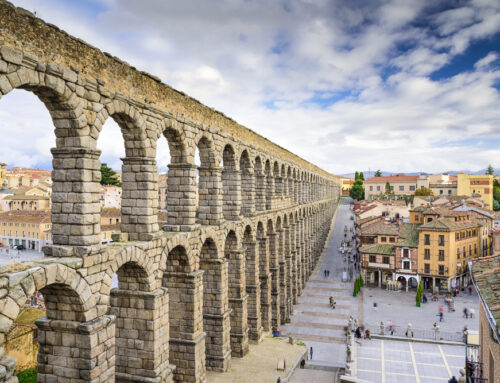
Segovia Spain, with its stunning Roman aqueduct, is a UNESCO World Heritage site that attracts countless visitors each year.
The province is a remarkable fusion of various architectural styles, reflecting its diverse history.
The Alcázar de Segovia, resembling a fairytale castle, and the Gothic cathedral are notable landmarks that illustrate the city’s rich past.
Segovia’s culinary offerings, especially its famous cochinillo asado (roast suckling pig), also enhance its cultural landscape.
Leon, More Than Just a Province
Leon Spain is a province rich in medieval history and culture.
The city of León is home to remarkable structures, including the iconic León Cathedral, renowned for its stunning stained glass windows.
The province boasts a vibrant community celebrating traditional crafts and gastronomy.
Leon’s local cuisine includes dishes such as cecina, a cured meat, and various regional wines that reflect the winemaking heritage of the area.
Moreover, the historic region hosts numerous festivals that fuse religion, culture, and local traditions, particularly during its famous Semana Santa (Holy Week).
These celebrations illustrate the deep-rooted customs maintained across generations.
The Influence of Historical Regions on the Present
The historical regions that once comprised León and Castile continue to shape the identity of the modern provinces through their traditions and cultural practices.
This legacy is evident in local customs, dialects, and the preservation of historical sites.
Many towns and villages still retain architectural styles and social structures from the past, offering a glimpse into the lives of those who inhabited the region centuries ago.
These elements contribute not only to tourism but also to a strong sense of community belonging within the provinces.
The fusion of historic influences fosters a unique character that resonates with residents and visitors alike.
The traditions of yesteryears harmoniously blend with contemporary life, marking Castilla Leon Spain as a remarkable region that pays homage to its rich ancestry while looking toward the future.
Language and Demographics
The linguistic landscape and demographic trends of Castilla y León reflect both the historical complexities of the region and the pressing challenges it faces today.
Understanding these elements offers valuable insights into the character of its society.
Population Trends and Challenges
Castilla Leon Spain has experienced significant population changes over the decades. Since 1900, the population has seen a notable decrease, driven largely by rural emigration to urban areas.
Currently, the estimated population is around 2.4 million, with a substantial portion residing in larger cities such as Valladolid, León, and Burgos.
This exodus has led to an ageing demographic, particularly in rural settings where young people leave in search of better opportunities in more populous cities.
Consequently, many rural communities face challenges related to population decline, affecting local economies and cultural continuity.
The Role of the Spanish and Leonese Languages
While Spanish is the predominant language across Castilla Leon Spain, the region is also home to the Leonese language, particularly in certain provinces such as León and Zamora.
This minority language is a remnant of the region’s historical identity and cultural heritage.
The preservation and promotion of Leonese have become key issues, with various cultural initiatives aimed at reviving it among younger generations.
However, the prevalence of Spanish continues to overshadow its usage, leading to concerns about the survival of this unique linguistic heritage.
Urbanisation and Rural Migration
The migration patterns within Castilla Leon Spain are indicative of broader trends affecting many rural areas in Spain.
Urbanisation has accelerated, with young people gravitating towards cities for education and employment opportunities.
This shift has significant social repercussions, leading to a growing divide between urban and rural lifestyles.
The urban centres, equipped with better infrastructure and facilities, attract investments and residents, while rural areas struggle with higher rates of depopulation.
As cities expand, the cultural and social fabric of traditional rural communities faces significant transformation, raising questions about the future of local identities and customs.
Economic Activities and Challenges
The economic landscape of Castilla y León is shaped by a blend of traditional practices and modern developments.
Although the region has faced various challenges, it continues to evolve towards diversification and industrialisation.
Traditional Agriculture and Livestock
Agriculture has historically been the backbone of the economy in Castilla Leon Spain.
The vast expanses of arable land have facilitated the growth of various crops.
Key agricultural activities include:
- Cereal production, especially wheat and barley, which thrive in the continental climate.
- Extensive livestock farming, particularly sheep and cattle, which contribute significantly to both the local economy and traditional culinary practices.
- The cultivation of legumes and vegetables that are highly valued in local cuisines.
Despite the region’s agricultural richness, challenges remain, including climate-related issues such as drought and soil degradation.
Farmers have increasingly turned to irrigation techniques to enhance productivity and sustainability.
Industrial Growth in the 20th Century
Following the Second World War, Castilla y León experienced significant industrial growth.
This transformation marked a shift from predominantly agrarian practices to a more diversified economic framework.
Key developments included:
- The emergence of the automotive sector, particularly concentrated around cities such as Valladolid and Burgos, which host several manufacturing plants.
- Growth in the food processing industry, leveraging local agricultural produce to create value-added products.
- Expansion in sectors like textile and chemical manufacturing, which provided employment opportunities and stimulated the local economy.
However, despite this industrialisation, the region has had to navigate economic fluctuations and the impacts of globalisation, which have led to job displacement and the need for workforce retraining.
Current Economic Diversification
In recent years, Castilla Leon Spain has focused on diversifying its economy further to enhance resilience.
Significant efforts include:
- Promoting tourism to capitalise on the rich cultural and historical heritage. Visitors are drawn to its UNESCO World Heritage Sites, stunning landscapes, and vibrant festivals.
- Encouraging innovation and entrepreneurship, particularly in technology-driven sectors aimed at attracting younger generations.
- Fostering renewable energy projects, including solar and wind energy, reflecting a commitment to sustainable development.
Despite the positive strides towards diversification, the region still faces economic challenges.
The rural exodus and ageing population demand solutions to sustain the labour force and stimulate local economies.
Transportation and Accessibility
Castilla y León offers a comprehensive network of transportation that facilitates accessibility across its vast and diverse landscape.
From well-established road systems to efficient rail networks, the region is designed to connect its historical sites, natural parks, and urban centres seamlessly.
Road and Railway Networks
The road infrastructure in Castilla Leon Spain is extensive, providing vital connections within and between all provinces.
Major motorways and secondary roads ensure smooth travel.
- The A-1 motorway connects the region to Madrid and is one of the primary arteries for both freight and passenger transport.
- The A-62 links Portugal to northern Spain, providing an essential route for trade and tourism.
- The provincial roads facilitate access to remote areas, making it easier for both locals and visitors to explore the breathtaking scenery.
In terms of rail transport, Castilla y León boasts a well-established railway network that connects major cities such as Valladolid, León, and Burgos.
High-speed train services, such as the AVE, allow for efficient travel to Madrid and other metropolitan areas, reducing travel times significantly.
Major Ancient Routes and Modern Highways
Historically, Castilla Leon Spain has been an essential crossroads for ancient trade routes.
These traditional pathways have, in many areas, evolved into modern road systems that maintain their historical significance while adapting to contemporary needs.
- Historically significant routes like the Camino de Santiago remain popular among hikers and pilgrims.
- The Vía de la Plata is another ancient route that has received significant recognition and now attracts tourists keen to experience its rich history.
- Modern highways facilitate rapid transit across the region, with major routes enhanced to accommodate heavy traffic.
Motorway from East to West
The A-6 motorway stretches across the region from east to west, connecting several key cities and providing a major thoroughfare for both commercial and personal travel.
This route enhances the movement of goods and services, substantially boosting the regional economy.
Its design allows for high-speed travel, which is especially beneficial during peak tourist seasons when visitors flock to the area for its distinguished cultural and natural attractions.
Airports and Air Travel Options
While road and rail transport are significant modes of travel, air travel also plays an essential role in the accessibility of Castilla y León.
The region features several airports, the primary one located in Valladolid.
- alladolid Airport provides both domestic and somVe international flight services, connecting the region to major European cities.
- A smaller airport in León offers additional travel options, primarily focusing on domestic routes.
- Salamanca Airport is more limited but still facilitates crucial travel connections, particularly during peak traveling periods such as holidays.
Overall, the combination of robust road networks, efficient rail lines, and accessible air travel ensures that Castilla Leon Spain remains connected, facilitating both tourism and local commerce.
The region’s transportation infrastructure supports its economic growth while preserving its historical significance and cultural heritage.
Symbolism and Representation
The symbolisms and representations within Castilla y León reflect the rich history and cultural identity of the region.
They encapsulate the pride of its inhabitants and the historical significance of its landmarks and traditions.
The Castilla y Leon Flag
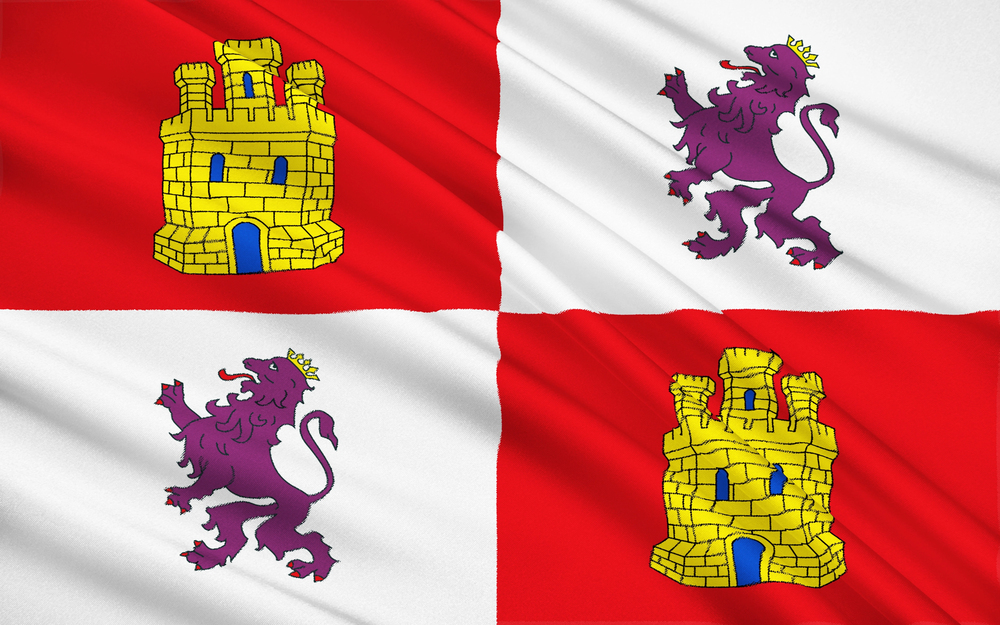
The flag of Castilla Leon Spain is a significant emblem that embodies the heritage of the region.
It consists of a red and white background, featuring the distinct coat of arms.
The coat of arms showcases a castle and a lion, representing the historical kingdoms that once ruled the lands.
The castle signifies the Kingdom of Castile, while the lion represents the Kingdom of León.
This flag is not only a representation of local pride but also serves to unite the inhabitants in celebrations and cultural events.
The use of the flag during festivals and parades reinforces a shared identity among the people of Castilla Leon Spain.
Celebrations and Symbols of Identity
Castilla y León is renowned for its vibrant celebrations that showcase its rich cultural identity.
Various festivals are held throughout the year, reflecting both religious beliefs and historical events.
- Holy Week (Semana Santa): This is perhaps the most notable celebration in the region, with elaborate processions across cities like León, Valladolid, and Zamora. It is characterised by solemn rituals, traditional music, and elaborate floats that display religious iconography.
- Festival of San Juan: Celebrated in various towns, this festival marks the arrival of summer with bonfires, traditional music, and dancing.
- Cultural Fairs: Throughout the year, fairs and markets celebrate local crafts, food, and customs, emphasising the region’s agricultural and gastronomic heritage.
These celebrations not only serve as a testament to the rich traditions of Castilla Leon Spain, but they also function as a gathering point for communities, further solidifying their collective identity.
Yours Free
Please click / tap on the image below:
If you would like to read about other important points for living / moving to Spain, here are other useful articles we wrote: