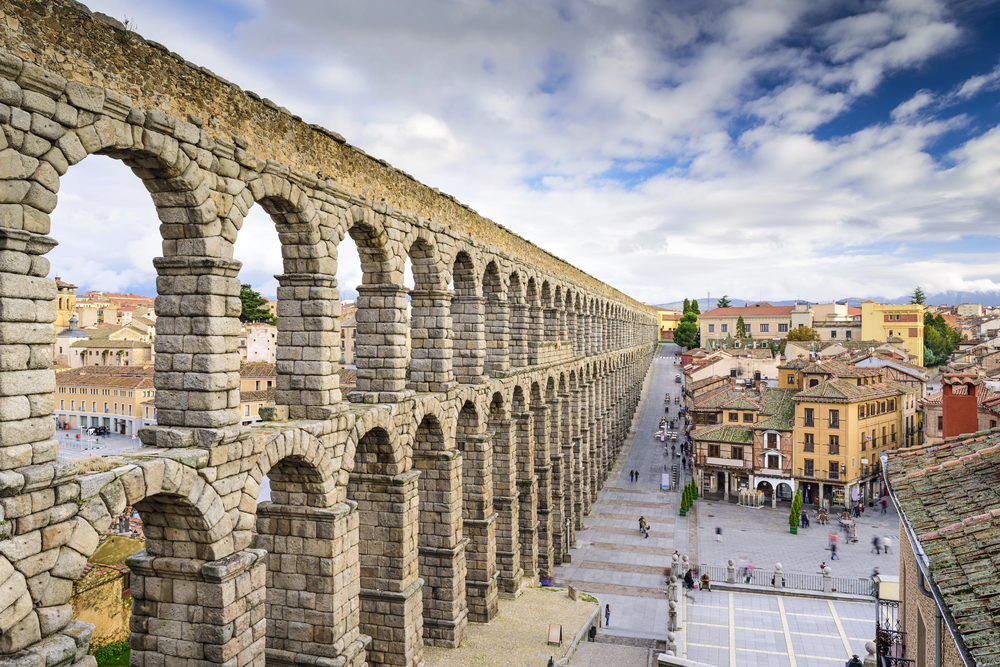
Segovia is a historic city located in the region Castilla Leon Spain, known for its remarkable architecture and rich cultural heritage.
It boasts a well-preserved old town, which has been recognised as a UNESCO World Heritage Site.
The city’s history spans from its Celtiberian origins to its significant Roman influence.
Segovia Spain features notable landmarks such as the Roman Aqueduct, the Gothic Cathedral, and the Alcázar, reflecting its diverse and vibrant past.

Before we start… Yours Free
Please click / tap on the image below:

Historical Overview of Segovia Spain
The historical narrative of Segovia Spain unfolds through various eras, each profoundly shaping its identity.
From ancient origins to contemporary vitality, the city resonates with tales of its past.
Celtiberian Origins
Segovia’s history traces back to the Celtiberian tribes, who inhabited the region long before Roman conquest.
This era was marked by a rich cultural tapestry, with the formation of settlements that laid the foundation for what would become a strategically significant location.
Artefacts unearthed from this period illustrate the early life and practices of its inhabitants, showcasing their agricultural skills and intricate social structures.
Roman Influence and the Roman Aqueduct
The arrival of the Romans in the 1st century BC marked a significant turning point in Segovia’s development.
The city became an important Roman outpost, benefiting from extensive infrastructure projects.
The most iconic of these is the Roman Aqueduct, a marvel of engineering that still stands as a testament to Roman ingenuity.
Constructed to transport water from the nearby mountains, this monumental structure comprises 166 arches and spans over 17 kilometres, symbolising the city’s architectural prowess.
Medieval Prosperity in the Old Town
During the Middle Ages, Segovia Spain flourished as a commercial hub, its prosperity largely attributed to the booming wool and textile industry.
The city gained prominence due to the high quality of its wool, attracting merchants and craftsmen from far and wide.
Wool and Textile Industry
The wool trade catalysed economic growth in Segovia Spain, leading to the establishment of numerous workshops and guilds.
The textile production not only provided employment but also enhanced the city’s wealth, allowing for the development of its religious and civil architecture.
Significance of the Old Jewish Quarter
The Old Jewish Quarter stands as a significant marker of Segovia’s rich cultural heritage.
This area reflects the historical presence of a vibrant Jewish community, which contributed to the city’s commercial and intellectual life.
The narrow, cobbled streets and synagogues are reminders of the diverse cultures that have flourished in Segovia Spain.
Segovia in the Modern Era
The twilight of the medieval era saw a gradual decline in Segovia’s economic might; however, the modern era has witnessed a revival of interest in its cultural heritage.
The remnants of its past are celebrated and preserved through various initiatives aimed at promoting tourism and local traditions.
Artistic and Cultural Resurgence
In recent years, Segovia Spain has experienced an artistic renaissance, with a focus on cultural events and festivals that highlight its historical significance.
Local artists and musicians contribute to a vibrant cultural scene, celebrating both traditional and contemporary expressions of art.
This resurgence not only enriches the community but also positions Segovia as a dynamic cultural destination.
Architectural and Cultural Heritage
Segovia’s architectural and cultural heritage showcases a blend of historical influences, merging Roman, Gothic, and medieval designs.
This unique fusion creates a captivating landscape that reflects the city’s rich past.
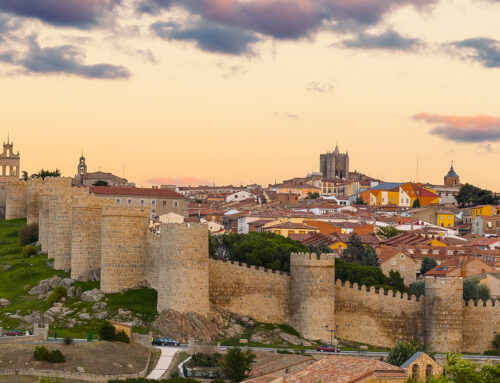
This legacy can also be seen in nearby cities such as Ávila Spain, where impressive medieval walls are preserved, complementing the region’s historical heritage.
The Roman Aqueduct: A Marvel of Engineering
The Roman Aqueduct stands as a testament to ancient engineering prowess. Built in the 1st century AD, it spans over 17 kilometres and features 166 imposing arches.
This masterpiece not only supplied water to Segovia Spain but also served as an iconic symbol of the city’s historical significance.
The Cathedral of Segovia: Gothic Splendour
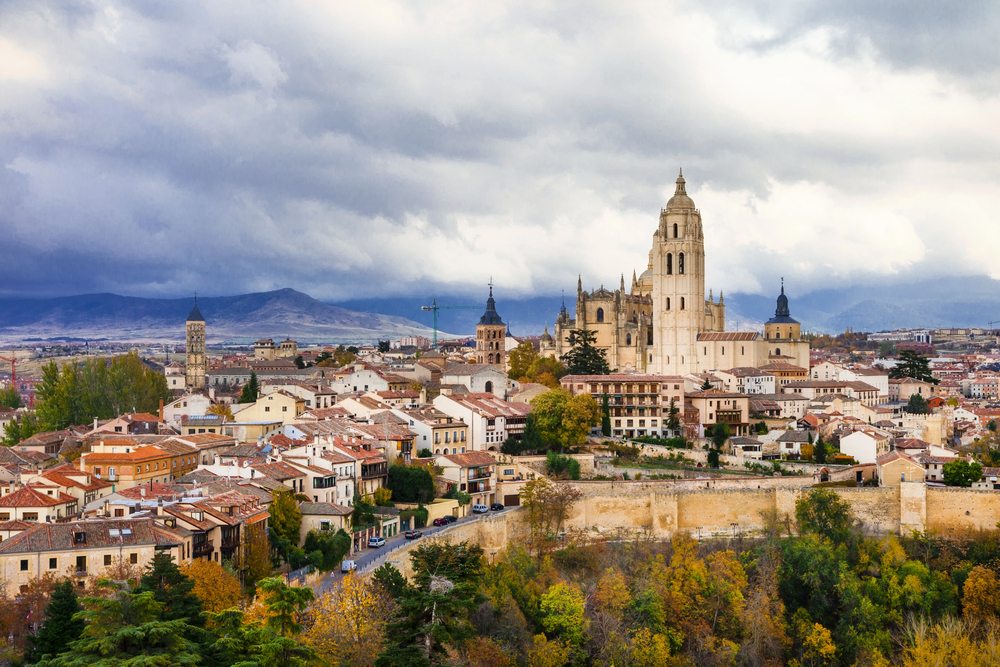
The Cathedral of Segovia Spain, known as “La Dama de las Catedrales,” is a stunning example of late Gothic architecture.
Construction began in 1525 and continued for several decades, resulting in a magnificent structure that dominates the city skyline.
Its intricate design and grand scale reflect the aspirations of a prosperous medieval society.
Key Architectural Features
- Imposing spires reaching towards the heavens
- Elaborate gargoyles and stone carvings
- The majestic apse, marking the separation of the plaza from the old Jewish quarter
Notable Interiors and Art
The interior of the Cathedral is equally remarkable, featuring stunning stained-glass windows from the 16th century.
The altar, designed by the renowned architect Francesco Sabatini, presents intricate baroque details and religious iconography, captivating visitors with its beauty and historical relevance.
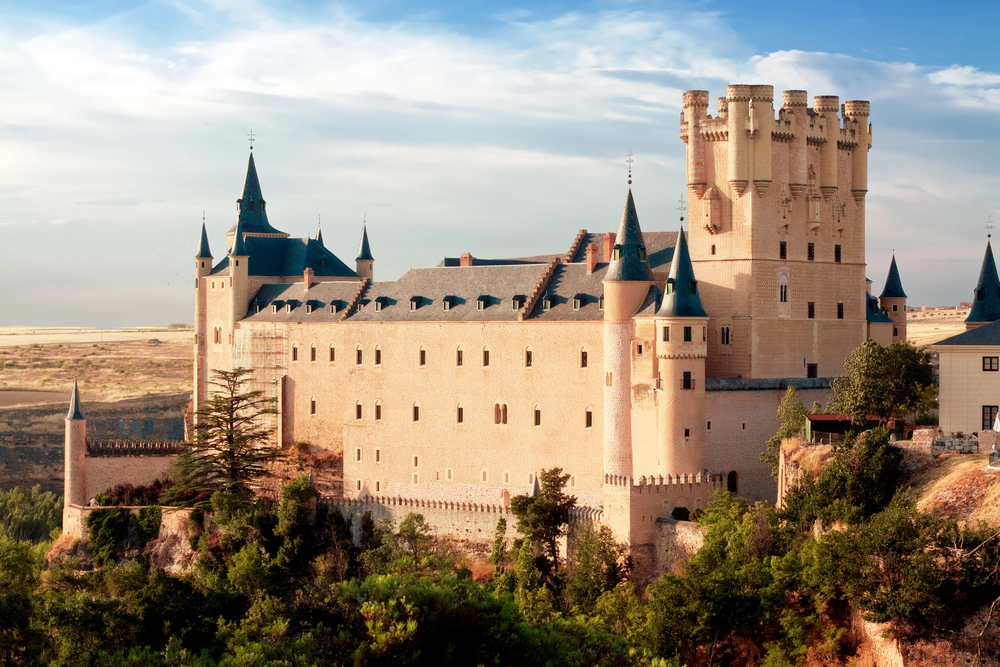
The Alcazar of Segovia: Fortress and Palace
The Alcazar, with its fairy-tale silhouette, offers insight into the city’s royal history.
Originally serving as a fortress, it was later transformed into a royal palace, becoming one of the most recognisable landmarks of Segovia Spain.
This architectural gem is strategically located to oversee the surrounding landscape.
Historical Significance
With roots tracing back to Roman times, the Alcazar has witnessed numerous historical events.
It functioned as a royal residence for several monarchs and played a vital role during critical periods, including the Reconquista.
The Role as a Royal Residence
During the Middle Ages, the Alcazar became the preferred residence of the Castilian monarchy.
Its opulent rooms and impressive halls reflected the grandeur of royal life, adorned with rich tapestries and exquisite art that speak to the wealth and influence of Segovia Spain during its prime.
Exploring the Old Jewish Quarter
The Old Jewish Quarter, with its narrow, cobblestone streets, invites exploration of Segovia’s multicultural past.
This charming area is dotted with reminders of the Jewish community that once thrived here, showcasing a mix of architectural styles that highlight the city’s diverse history.
The history of the Jewish Quarter is intertwined with various cultural influences, making it a significant area for understanding Segovia’s heritage.
Synagogues transformed into churches, along with well-preserved buildings, reveal the layered history that characterises this unique part of the city.
Geography and Climate in Segovia Spain
The geography and climate of Segovia play a significant role in shaping its landscape, ecology, and lifestyle.
Nestled in the north-western foothills of the Sierra de Guadarrama, this charming city presents a mix of natural beauty and diverse weather patterns.
In comparison, the nearby city of Valladolid Spain has a flatter terrain and a somewhat more continental climate, with less influence from the mountains.
Location and Natural Features
Segovia is strategically situated near the Eresma River, which flows into the Duero, offering a picturesque setting.
The city of Leon Spain is located 2.5 hours north from Segovia.
When you drive 2 hours northeast, you will also find Soria Spain.
The city is surrounded by a blend of hills and valleys, contributing to its scenic vistas.
The Sierra de Guadarrama mountain range not only provides a stunning backdrop but also influences local weather conditions.
The area boasts a variety of natural features, such as:
- Forested hills rich in pine, oak, and beech trees.
- Open plains that support fertile agricultural land.
- Small rivers and streams that enhance the area’s biodiversity.
Segovia, Spain Weather Patterns
The climate in Segovia Spain exhibits a Mediterranean influence, characterised by warm summers and cold winters.
Understanding the weather patterns is crucial for residents and visitors alike.
Seasonal Variations
Segovia Spain experiences distinct seasonal changes, impacting daily life and activities:
- Spring: Temperatures begin to rise with blooming flowers, making it a popular time for tourists.
- Summer: Summers are warm, often reaching temperatures of around 30°C. This season attracts many outdoor festivities.
- Autumn: The landscape transforms with colourful foliage, and temperatures gradually decrease. Harvesting of local produce is common during this time.
- Winter: Winters can be quite cold, with temperatures sometimes dropping below freezing. Snowfall is not uncommon, especially in the surrounding mountains.
Impact on Local Flora and Fauna
The varied climate and geography of Segovia Spain greatly influence its flora and fauna.
The diverse environments support a wide range of plant species, including:
- Native shrubs and herbs that thrive in the cooler mountainous areas.
- Grasslands and fields that flourish in the warmer months, providing habitats for numerous animal species.
Furthermore, the region is home to various wildlife, including birds of prey and small mammals, which find shelter among the diverse habitats.
These ecological factors contribute significantly to the charm and appeal of Segovia Spain, making it an attractive destination for nature lovers.
Gastronomy and Dining Experiences
Segovia boasts a vibrant culinary scene that reflects its rich history and culture.
The city is especially renowned for its traditional dishes that showcase local ingredients and time-honoured recipes.
Traditional Cuisine: Cochinillo and Beyond
One of the most celebrated dishes in Segovia Spain is cochinillo asado, or roast suckling pig.
This delicacy is famous for its crispy skin and tender meat, typically slow-roasted to perfection in wood-fired ovens.
Locals often recommend enjoying this dish at traditional establishments known as mesones, where the atmosphere complements the culinary experience.
Beyond cochinillo, the region’s cuisine offers a variety of exceptional dishes:
- Cordero lechal: This dish consists of roasted lamb, known for its flavour and succulence, often served with potatoes or seasonal vegetables.
- Judías de El Barraco: A hearty dish made from local beans, prepared in a variety of ways, often accompanied by sausages or other meats.
- Gaseosa: A refreshing local drink, commonly enjoyed with meals, which adds a unique touch to the gastronomic experience.
Dining in Plaza Mayor
The Plaza Mayor is a bustling hub of activity in Segovia Spain, surrounded by various eateries and bars.
This lively square provides an excellent setting for enjoying local flavours while soaking in the vibrant atmosphere.
Many restaurants offer outdoor seating, allowing diners to savour their meals while admiring the surrounding architecture.
Traditional tapas are also popular, providing a casual dining experience where visitors can sample a variety of small plates.
The combination of diverse flavours and the dynamic environment makes dining in Plaza Mayor a memorable part of Segovia’s gastronomy.
Yours Free
Please click / tap on the image below:
Discovering Segovia: Maps and Key Attractions
Exploring Segovia reveals a rich blend of history and culture through its charming streets and significant landmarks.
Presented here are key attractions enhanced by informative maps to help navigate the city’s treasures.
Navigating the City with Segovia Spain Map
A well-crafted map is essential for a successful expedition in Segovia.
Visitors will find it useful to have a digital or printed map that outlines the major sights, streets, and local amenities.
Many maps highlight the walkable routes, making it easy to explore the city on foot.
The layout of Segovia Spain is relatively compact, allowing for an enjoyable stroll between its historic sites.
Other Must-Visit Sites and Museums
In addition to the prominent landmarks, Segovia Spain boasts several intriguing museums and delightful parks that cater to a variety of interests.
Visitors often leave with a rich appreciation of the city’s historical and artistic contributions.
Art and History Museums
Segovia is home to various museums that celebrate its cultural heritage.
The Museo de Segovia offers a glimpse into local history, showcasing artifacts from different eras, including Roman, medieval, and modern times.
Another notable venue is the Centro de Interpretación de la Judería, which focuses on the Jewish history of Segovia, presenting the cultural intermingling that has defined the city.
Parks and Public Spaces
Segovia is dotted with beautiful parks and public spaces that provide a tranquil escape from the urban bustle.
The Parque de la Alameda, for example, provides stunning views of the Alcázar and is an excellent spot for a leisurely stroll.
Similarly, the gardens at the Casa de la Cultura showcase the diversity of local flora and are ideal for relaxation.
These green spaces offer a refreshing contrast to the city’s historic architecture, allowing visitors to immerse themselves in nature while absorbing the local atmosphere.
Events and Traditions in Segovia
The vibrant cultural tapestry of Segovia is embroidered with numerous events and traditions that reflect its rich heritage.
The city celebrates various annual festivals that highlight local customs and religious practises, all of which contribute to its unique identity.
Annual Festivals and Celebrations
Segovia is alive with celebrations throughout the year, drawing locals and visitors alike, as in Palencia Spain.
Notable festivals include:
- Semana Santa (Holy Week): This deeply spiritual event is marked by solemn processions, intricate floats, and religious fervour. Participants dress in traditional garb, and the atmosphere is one of reverence and reflection.
- La Fiesta de San Juan: Celebrated in June, this festive occasion involves bonfires and lively gatherings. Locals engage in various activities, including music and dance, creating an exuberant environment.
- San Andrés (Saint Andrew’s Festival): Traditionally held in late November, this festival focuses on the local delicacy of roasted chestnuts. The streets are filled with stalls selling food and drinks, fostering a sense of community.
- Las Ferias de Segovia: These fairs take place in September and showcase local crafts, gastronomy, and music. Visitors experience the vibrant spirit of Segovia through a variety of exhibitions and performances.
Religious Practices and Sites
Segovia is home to several significant religious practices and sites that underline its historical and cultural importance.
The following elements are notable:
- Catedral de Segovia: The Cathedral, often referred to as “La Dama de las Catedrales,” serves as a splendid backdrop for several religious festivities. Regular masses and special services attract many devotees.
- Church of San Miguel: This historic site played a pivotal role during the coronation of Queen Isabel I. Today, it hosts events commemorating her legacy alongside traditional religious observances.
- Customary Pilgrimages: Pilgrimages to local sanctuaries, such as the shrine of Nuestra Señora de la Fuencisla, are important to the community. They often involve processions, music, and prayer, reflecting deep-rooted faith.
Both the festivals and religious traditions of Segovia Spain intertwine beautifully, providing a rich experience for anyone fortunate enough to partake in them.
They offer insights into the cultural practices and shared values that define this enchanting city, making Segovia a unique destination with a deep sense of community and history.
Economic Evolution and Local Industries
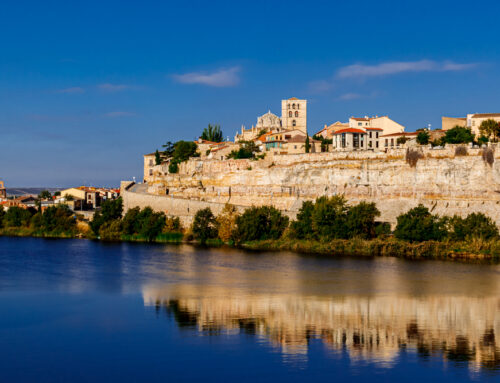
The economic landscape of Segovia has undergone significant transformations throughout its history, as it happened in other cities of Castille Leon, such as Zamora Spain.
From being a bustling centre of trade in the Middle Ages to its current focus on tourism and local crafts, the city has adapted to changing circumstances while preserving its rich heritage.
Historical Trade and Commerce
During the Middle Ages, Segovia Spain flourished as a commercial hub, particularly renowned for its thriving wool and textile industries.
These sectors not only contributed to the city’s wealth but also established it as an essential player in the broader Spanish economy.
The presence of numerous commercial guilds played a vital role in regulating trade practices and ensuring high standards for products.
Wool from the region was highly sought after, leading to exports not only within Spain but also across Europe.
This period marked a golden age for local artisans, who produced exquisite textiles that caught the attention of both domestic and foreign markets.
Contemporary Economic Initiatives
Today, Segovia’s economy faces new challenges and opportunities.
The focus has shifted towards revitalising the local economy through tourism and the promotion of unique products native to the region.
This modern approach seeks to harness the rich cultural and historical context of the city to attract visitors.
Tourism and Local Products
- The tourism sector has witnessed a steady increase, highlighting Segovia’s architectural wonders and heritage as significant draws for visitors from around the world.
- Local artisans have embraced this surge by promoting handmade products that reflect traditional craftsmanship, such as:
- Handcrafted copper items.
- Leather goods that showcase traditional techniques.
- Gastronomic products including regional sausages, pastries, and wines.
- Markets and fairs offer tourists a chance to purchase these goods, ensuring that local industries remain vibrant while providing unique souvenirs that embody the spirit of Segovia Spain.
This renewal of interest in local producers aligns with a growing demand for authentic experiences, allowing Segovia Spain to preserve its cultural identity while adapting to modern economic realities.
Transportation and Accessibility
Segovia boasts a well-connected transportation network, making it accessible from various major cities.
This facilitates an easy exploration of its rich cultural and historical offerings.
Reaching Segovia from Major Cities
Segovia is conveniently situated about 90 kilometres northwest of Madrid, allowing for swift travel from the capital.
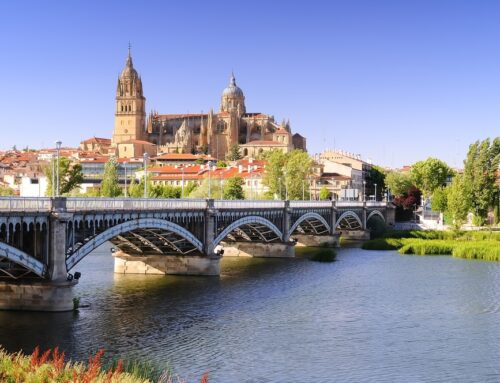
The well-known city of Salamanca Spain is located almost 3 hours away driving.
Various options are available for reaching the city:
- By Train: The high-speed train service (Renfe AVE) connects Madrid to Segovia in approximately 30 minutes. The modern Segovia-Guiomar station is located a short distance from the city centre, and regular connections facilitate easy access.
- By Bus: Long-distance buses frequently travel from Madrid to Segovia, taking around 1.5 hours. The main bus terminal is centrally located, offering additional local and regional routes.
- By Car: Driving to Segovia is straightforward via the A-6 and AP-61 motorways. The journey from Madrid typically takes around an hour, with ample parking available in designated areas around the city.
Public Transport and Local Connectivity
Within Segovia Spain public transportation is well-developed, with various options to navigate the city and its surroundings.
The public transport system includes:
- Buses: A network of local buses services the city, making stops at key locations, including the old town and major attractions. The buses are efficient and provide a convenient way for residents and visitors to access different areas.
- Walking: Segovia’s compact size makes it an ideal location for exploring on foot. Many historical sites, including the Roman Aqueduct and the Cathedral, are located within walking distance in the city centre, allowing for leisurely strolls through its charming streets.
- Taxis: Taxis are readily available throughout the city. They provide a convenient option for those who prefer a private mode of transport to specific destinations.
Overall, Segovia’s transportation and connectivity options ensure that visitors can easily explore this historic city and its significant landmarks.
Yours Free
Please click / tap on the image below:
If you would like to read about other important points for living / moving to Spain, here are other useful articles we wrote: