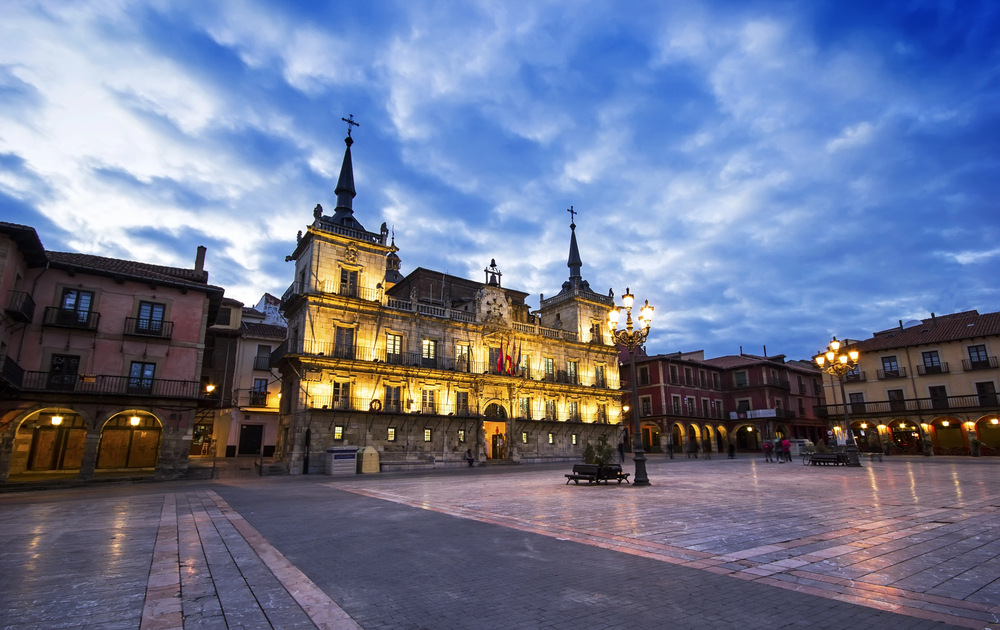
Leon Spain, located in north-western Spain, is a city rich in history and culture.
Founded as a Roman military camp, it has evolved into a vibrant urban centre known for its significant architectural landmarks.
The city played a crucial role during the Middle Ages as the capital of the Kingdom of Leon.
It is also famous for its gastronomy and traditional festivities, attracting many visitors each year.

Before we start… Yours Free
Please click / tap on the image below:

History of Leon Spain
Leon is located in the region of Castilla Leon Spain.
The history of Leon is a rich tapestry woven from Roman origins, medieval significance, and industrial evolution.
This city has been the stage for political, economic, and social developments that have shaped its identity through the centuries.
Roman Origins
Leon’s foundation dates back to the Roman Empire, where it emerged as a pivotal military outpost.
Legio VI and Legio VII
Established in the 1st century BC, the city began as a camp for the Legio VI Victrix during the Cantabrian Wars.
Subsequently, in 74 AD, the Legio VII Gemina was stationed here permanently.
This military presence was crucial for Roman interests in Hispania, particularly for the protection of territories and the consolidation of power in the region.
Roman Walls and Infrastructure
The strategic location of the settlement led to the construction of significant infrastructure.
The remnants of Roman walls still stand today, showcasing remarkable engineering skills of the time.
These walls not only served as fortifications but also facilitated trade and communication across the area, linking the important mineral resources in the surrounding regions.
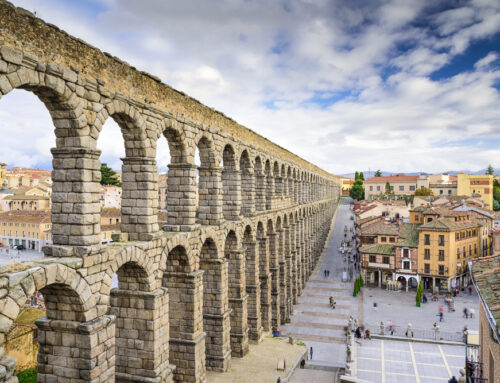
When you visit Segovia Spain, you will be able to see another spectacular Roman piece of architecture: The Roman Aqueduct.
Middle Ages and the Kingdom of Leon
The Middle Ages marked an era of profound importance for Leon as it rose to prominence within the historical context of the Reconquista.
The First Parliament
In 910 AD, Leon became the capital of the Kingdom of Leon Spain, playing a vital role in the Christian effort against Muslim occupation.
Notably, in 1188, the city hosted the first European parliament during the reign of Alfonso IX, an event that underscored its political significance and celebrated the advancement of representative governance.
Union with the Crown of Castile
Despite its early successes, the Kingdom of Leon Spain eventually faced challenges.
In 1301, the union with the Crown of Castile marked a shift that diminished Leon’s autonomy.
As the political landscape evolved, the city experienced a gradual decline in its independent status, leading to periods of stagnation.
Industrial Era and Modern Development
The 19th century heralded a revival in Leon Spain, primarily driven by the industrialisation of the region.
Coal Industry Rise
With the upsurge of the coal industry, Leon attracted workers and entrepreneurs, catalysing economic growth.
This era transformed the city into a critical hub for coal extraction and distribution, significantly impacting the local economy and demographics.
Arrival of the Railway
The arrival of the railway in the late 19th century further revolutionised Leon’s connectivity.
This development facilitated the movement of goods and people, linking the city more effectively with other important regions in Spain and reinforcing its economic status as a vibrant commercial centre.
Architectural Marvels of Leon
Leon Spain boasts an array of architectural treasures that reflect its rich history and cultural significance, as Salamanca Spain.
From grand cathedrals to modernist buildings, each structure tells a story that highlights the city’s evolution over the centuries.
The Cathedral of Leon
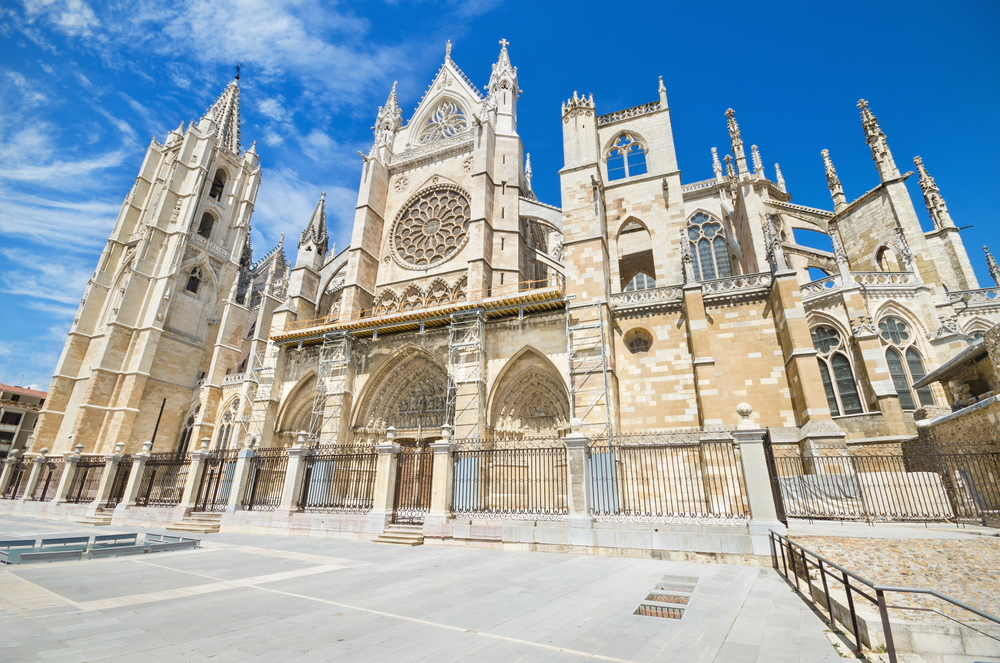
The Cathedral of Santa María de León is one of the most exquisite examples of Gothic architecture in Spain.
Its majestic presence dominates the skyline and serves as a testament to the city’s historical importance.
Construction began in the 13th century, and it showcases some of the finest craftsmanship of the era.
Gothic Architecture
This cathedral is renowned for its striking Gothic features, characterized by pointed arches, ribbed vaults, and flying buttresses.
The overall design creates a sense of verticality and lightness, drawing the eyes upward and inspiring a sense of awe among visitors.
Its facade is intricately decorated with sculptures that narrate biblical stories and reflect the spiritual significance of the site.
Stained Glass Windows
Among its most notable attributes are the stunning stained glass windows.
Many of these medieval masterpieces date back to the 13th century and are praised for their vivid colours and intricate designs.
They allow natural light to fill the interior with a kaleidoscope of hues, creating a sacred atmosphere that enchants everyone who steps inside.
Basilica of San Isidoro
The Basilica of San Isidoro represents one of the finest examples of Romanesque architecture in Spain.
This magnificent structure was built during the 11th century and has since become a symbol of the city’s religious and historical significance.
Romanesque Style
The Basilica is distinguished by its robust structure, featuring thick walls, rounded arches, and a series of intricate capitals.
The interior layout includes a Latin cross plan that highlights the medieval architectural style common during this period.
Royal Pantheon
Within the Basilica lies the Royal Pantheon, a revered site that houses the remains of León’s medieval monarchs.
The pantheon is adorned with exquisite frescoes that depict scenes from the life of Christ, enhancing its spiritual ambiance.
This sacred space reinforces the connection between the city’s past and its royal lineage.
Casa Botines
Casa Botines is a distinctive modernist building designed by the renowned architect Antoni Gaudí.
Completed in 1893, this architectural gem stands out with its unique design that reflects both Gaudí’s creativity and the history of Leon Spain.
Gaudí’s Influence
This building showcases Gaudí’s signature style, marked by its use of natural forms and organic shapes.
Casa Botines mimics the appearance of a medieval castle, with turrets and decorative stonework that appeal to the senses.
Its design is a perfect blend of functionality and artistry, making it a noteworthy landmark in the city.
Modernist Design
The façade is composed of a harmonious blend of stone and wrought iron, contributing to its striking appearance.
Interiors are rich in detail and provide insight into Gaudí’s vision of adapting modernist principles while respecting traditional aesthetics.
Casa Botines not only serves as a vital piece of León’s architectural narrative but also as a museum celebrating the architect’s legacy.
Cultural and Culinary Scene
The cultural and culinary scene of Leon Spain is a vibrant tapestry woven from tradition and modernity.
Its rich history is reflected in the numerous festivities celebrated throughout the year, alongside a diverse culinary landscape that showcases the flavours of the region.
In this same regional context, the city of Palencia Spain also stands out for its cultural heritage and traditional cuisine, which keep the customs of Castile and León alive.
Traditional Festivities
León is renowned for its lively celebrations that attract both locals and visitors alike.
These festivities are steeped in history and provide a glimpse into the collective spirit of the community.
Seman Santa Celebrations
The Semana Santa, or Holy Week, is one of the most significant and anticipated events in Leon Spain.
This solemn celebration takes place annually, leading up to Easter Sunday, and is marked by various processions that traverse the historic streets of the city.
Each procession is organised by different brotherhoods, showcasing elaborately crafted pasos, which are religious statues depicting scenes from the Passion of Christ.
The atmosphere during this time is both reverent and dramatic, with the sound of drums and the flickering of candlelight creating a unique ambiance.
Many visitors come specifically to experience the emotional depth and artistic heritage displayed during these processions, which have been declared a National Tourist Interest.
The Semana Santa in León is not merely a religious observation; it is a profound cultural event that encapsulates the city’s identity.
Gastronomy of León
León’s culinary offerings are truly remarkable, and food plays a central role in social gatherings and celebrations.
The local cuisine is known for its hearty and flavourful dishes, often featuring traditional ingredients that reflect the cultural heritage of the region.
Famous Local Dishes
- Cecina de León: This is a prized cured meat, similar to ham, made from beef. Its distinct flavour and texture have earned it a place of honour in regional gastronomy. The cecina is typically served thinly sliced and can be enjoyed as part of a tapas selection or as a standalone dish.
- Botillo: A robust preserved meat dish, botillo is made using pork, seasoned with spices, and wrapped in the pig’s intestines. This dish is often accompanied by boiled cabbage and potatoes, showcasing the rich agrarian traditions of Leon Spain.
- Pimientos de la Berenjena: These stuffed peppers are a local delicacy, offering a delightful combination of flavours that represent the agricultural bounty of the region. They are prepared with fresh ingredients and often served as a starter.
Regional Wines
The viticulture of Leon Spain is equally significant, with the Denomination of Origin Ribera del Duero producing wines that are acclaimed both nationally and internationally.
The wine produced in this region complements the local cuisine perfectly, enhancing the flavours and adding to the culinary experience.
Many vineyards offer guided tours and tastings, allowing visitors to explore the art of winemaking and sample the exquisite wines crafted from indigenous grape varieties.
Yours Free
Please click / tap on the image below:
Accommodation in Leon
Leon offers a range of accommodation options that cater to different tastes and budgets.
From historic hotels that exude charm to modern establishments equipped with contemporary amenities, visitors can find the perfect place to stay while exploring this rich cultural city.
Climate and Weather in Leon
Leon Spain experiences a continental climate, characterised by hot summers and cold winters, as in Soria Spain.
The variations throughout the year significantly contribute to the overall charm of the city, influencing both its natural beauty and the local activities available during different seasons.
Seasonal Variations
The climate in Leon can be broadly classified into four distinct seasons:
- Spring
Spring is typically mild, with average temperatures ranging from 10°C to 20°C.
This season usually witnesses a gradual increase in daylight hours, leading to vibrant blooms across the city’s parks and gardens.
Rainfall is occasional, making it an ideal time for outdoor exploration and cultural events.
- Summer
Summers in Leon Spain can be quite warm, with temperatures often reaching between 25°C and 35°C.
The days are long and sunny, perfect for enjoying the city’s lively atmosphere and numerous festivals.
However, the evenings can be pleasantly cooler, providing a refreshing contrast to the daytime heat.
- Autumn
Autumn brings a cooler climate, with temperatures ranging from 10°C to 20°C.
The foliage transforms to various shades of yellow and red, creating picturesque landscapes.
While September can still be warm, October and November may see increased rainfall, making it a season of contrast.
- Winter
Winters are cold, with average temperatures generally between -2°C to 10°C.
Snowfall is not uncommon, especially in January and February, which adds a magical touch to the city’s historic sites.
Clear, crisp days often follow snowfall, offering stunning views of the city’s architecture against a backdrop of snow.
Best Times to Visit
The most favourable times to visit Leon Spain depend on personal preferences regarding climate and activities.
As Zamora Spain, the following periods are particularly appealing:
- Spring (March to May)
This period is ideal for those who enjoy mild weather and blooming nature.
Spring festivals and events, such as local cultural celebrations, further enhance the appeal of the city.
- Autumn (September to November)
Autumn is renowned for its beautiful foliage and mild temperatures.
Many visitors appreciate the quieter atmosphere during this season, allowing a more relaxed exploration of the city’s attractions.
- Summer (June to August)
For those who thrive in warm weather and are keen to partake in outdoor activities and city festivals, summer is an excellent choice.
The vibrant scene is complemented by a wealth of gastronomic experiences, making it a popular time to explore.
- Winter (December to February)
While winter is cold, it offers a unique charm, especially during the festive season.
The illuminated streets and various holiday events provide a magical atmosphere, making it a special time to visit for those who enjoy seasonal celebrations.
Transportation and Access
Efficient transportation links are key to exploring the vibrant city of León.
With various options available, visitors can easily reach and navigate the area.
Similarly, the city of Ávila Spain also has a good network of access routes that facilitates the arrival of visitors from different parts of Castile and León.
Connectivity by Air and Rail
León is served by the León Airport, located just 6 kilometres from the city centre.
This airport connects Leon Spain to several Spanish cities and a variety of international destinations.
Flights are relatively limited, so checking the schedule in advance is advisable to ensure convenient travel plans.
In addition to air travel, León boasts strong rail connectivity.
The city is part of the Spanish high-speed train network, offering direct services to major cities such as Madrid, which significantly reduces travel times.
The main train station, located just a short distance from the city centre, is modern and user-friendly, catering to both regional and long-distance routes.
Key Rail Services
- High-speed trains (AVE) to Madrid
- Regional connections to places like Astorga and Ponferrada
- Connections to other major cities like Valladolid Spain and Burgos
Public Transport System
León’s public transport system consists primarily of buses, making it easy to navigate within the city.
The urban bus network offers numerous routes that connect the main areas of interest, including historical sites, shopping districts, and residential zones.
The frequency of the buses is adequate, especially during peak hours, ensuring that getting around the city is convenient.
Key Features of the Public Transport System
- Multiple bus lines covering the city
- Affordable fare options for single rides and monthly passes
- Accessible services for persons with reduced mobility
Walking is also a great way to experience Leon Spain.
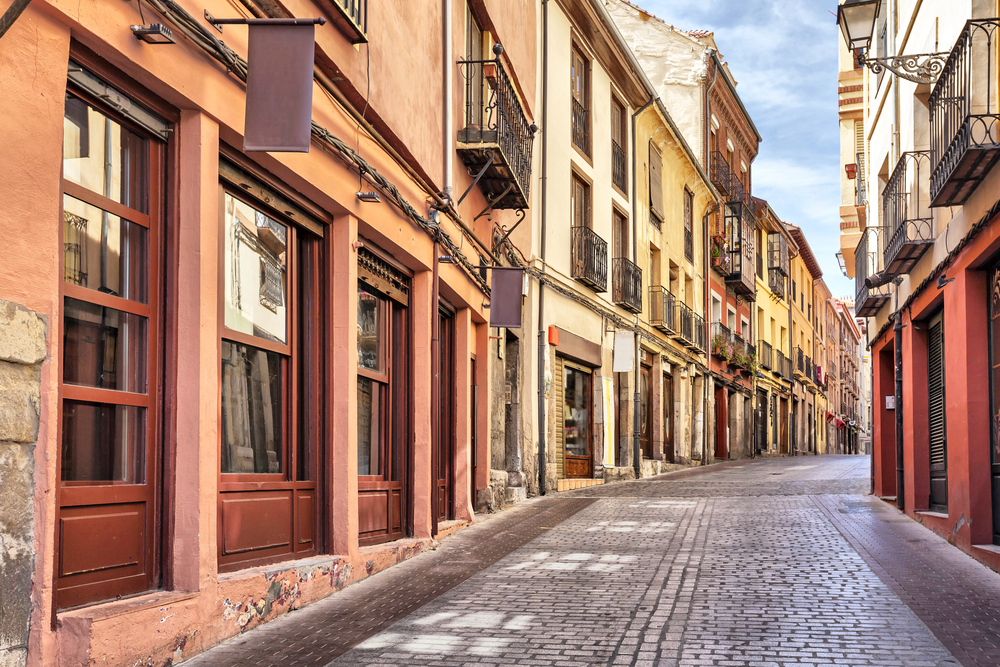
The city centre is compact, making it easy to explore on foot.
This allows visitors to enjoy the architectural wonders and local charm at a leisurely pace.
Cycle routes are becoming increasingly popular, with bike rentals available throughout the city, promoting an eco-friendly means of travel.
Recommendations for Getting Around
- Consider purchasing a transport pass for extended stays
- Use bicycles for a more local experience
- Plan bus routes in advance, especially during off-peak times
Yours Free
Please click / tap on the image below:
If you would like to read about other important points for living / moving to Spain, here are other useful articles we wrote: