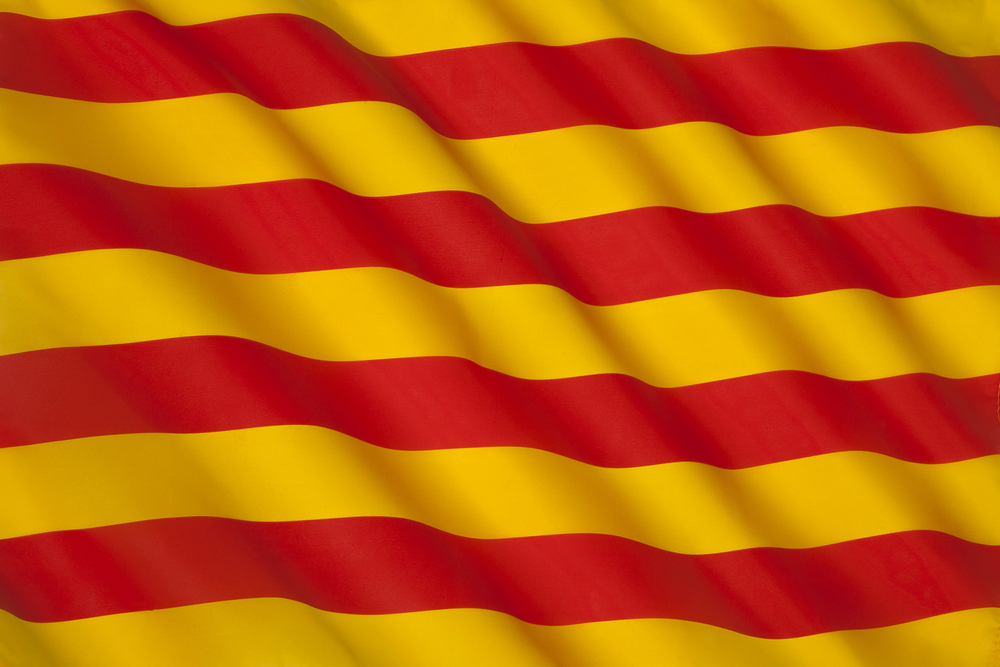
Catalonia is an autonomous community in northeastern Spain, known for its diverse culture and rich history.
It features a unique blend of languages, traditions, and landscapes, making it a significant region within the country.
The area is characterised by its stunning geography, including mountains, coastline, and vibrant cities.

Before we start… Yours Free
Please click / tap on the image below:

Geography of Catalonia
Catalonia’s geography is marked by a striking contrast between its coastal regions and mountainous interior, creating a diverse landscape that contributes to its cultural and environmental richness.
Location and Borders
Situated in the northeastern corner of the Iberian Peninsula, Catalonia is bordered by France to the north and the Mediterranean Sea to the east.
This strategic location has historically facilitated trade and cultural exchange.
Catalonia also shares a border with Andorra, a small principality, enhancing its regional significance.
The total land area of Catalonia is approximately 32,000 square kilometres, encompassing a variety of geographical features.
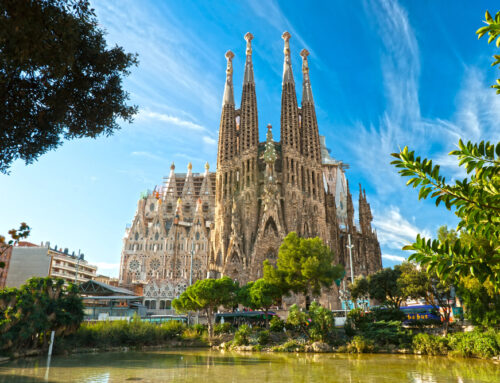
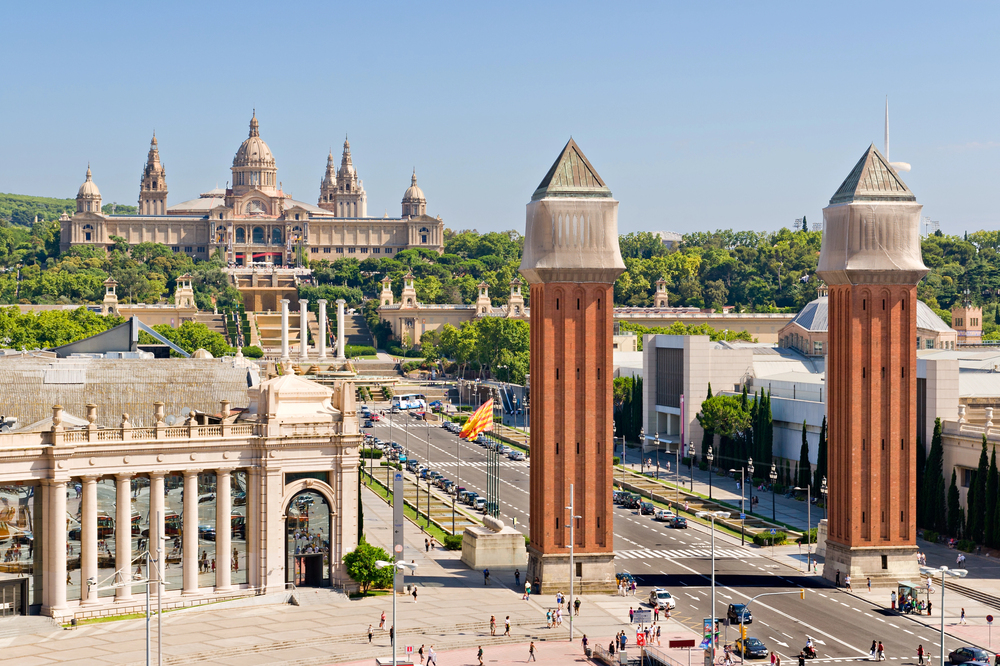
Within this autonomous community, the city of Barcelona Spain stands out as one of the main economic, cultural and tourist centers of the Mediterranean.
Provinces and Administrative Divisions
Catalonia is subdivided into four provinces: Barcelona, Tarragona, Girona, and Lleida.
This administrative division is further organised into eight vegueries, which are responsible for specific regional governance tasks.
- Barcelona: The most populous province and economic hub, home to the vibrant city of Barcelona.
- Tarragona: Known for its rich Roman heritage and coastal resorts.
- Girona: Features stunning landscapes, including parts of Costa Brava.
- Lleida: Characterised by its agricultural land and mountainous areas.
Additionally, these provinces are composed of 42 comarques (counties), reflecting Catalonia’s intricate local governance structure, designed to manage its diverse communities and landscapes effectively.
Climate and Biodiversity
The climate of Catalonia is predominantly Mediterranean, featuring hot, dry summers and mild, wet winters.
This climate supports a wide range of flora and fauna, making the region ecologically rich and appealing for both residents and visitors.
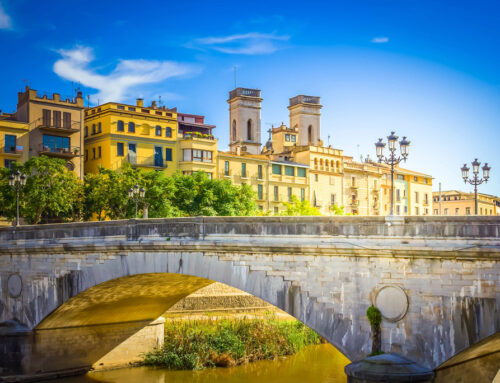
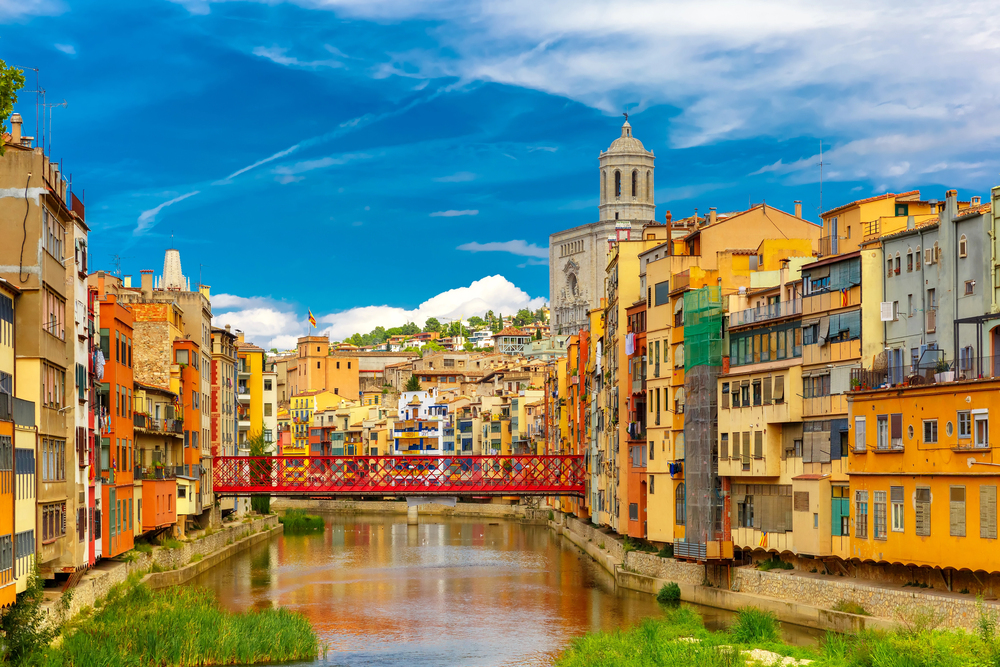
In this diverse natural environment, the city of Girona Spain stands out for its proximity to natural spaces and mountainous areas that enrich the biodiversity of the region.
Weather Patterns
Weather patterns vary significantly across different areas of the region.
Coastal areas experience warmer temperatures and humidity, while the mountainous interior witnesses cooler weather and snow during winter months.
Vulnerabilities to weather patterns such as drought or intense rainfall have become increasingly important in environmental discussions.
Unique Flora and Fauna
Catalonia’s biodiversity is reflected in its numerous natural parks and protected areas, which showcase the region’s varied ecosystems.
Notable natural parks include:
- Montserrat: Home to dramatic rock formations and rich biodiversity.
- Aigüestortes i Estany de Sant Maurici: A national park boasting glacial lakes and diverse wildlife.
- Cap de Creus: Famous for its rugged coastal landscapes and marine life.
This rich environmental tapestry not only supports local wildlife but also attracts tourists keen on outdoor activities such as hiking, bird watching, and rock climbing.
The interaction of climate and geography creates a unique setting for both natural and cultural activities in Catalonia.
Historical Background
The historical landscape of Catalonia is marked by a multitude of influences, ranging from prehistoric settlements to modern political movements. This rich tapestry of history has shaped the region into what it is today.
Prehistoric and Ancient Times
The evidence of human presence in Catalonia dates back to prehistoric times, with archaeological sites revealing traces of early Neanderthal communities.
These findings, such as those at Cova Negra, underscore the long-standing human inhabitation of the region.
During the ancient period, Catalonia became part of the Roman Empire, playing a crucial role in various military and trade activities across the Mediterranean.
The strategic location along trade routes allowed for cultural exchanges, fostering growth in commerce and urban development.
Medieval Period
The Middle Ages were pivotal for Catalonia, particularly as it became integral to the Crown of Aragon, a powerful political entity in the Mediterranean.
This period witnessed significant advancements in both trade and governance, leading to the establishment of a unique Catalan identity.
The Crown of Aragon
The Crown of Aragon emerged as a formidable power, incorporating Catalonia, Valencia, and the Balearic Islands.
This political union facilitated economic prosperity.
Catalonia thrived as a commercial hub, establishing trade links across Europe and beyond. Its cities grew in wealth and influence, notably Barcelona, which became a key maritime centre.
Cultural and Economic Flourishing
During the medieval period, Catalonia saw remarkable cultural and economic flourishing.
The emergence of Gothic architecture, evident in the construction of cathedrals and public buildings, marked an era of artistic achievement.
The flourishing of literature, philosophy, and the visual arts contributed to a vibrant cultural atmosphere.
19th Century Developments
As the century progressed, industrialisation began to permeate Catalonia, transforming its economy.
The rise of industries, particularly textiles, along with the burgeoning working class, spurred social change.
This period also saw increased political activism and demands for greater autonomy within the Spanish state.
The Economy of Catalonia
The economy of Catalonia is a dynamic and integral part of Spain’s overall economic landscape.
This region is known for its diverse range of economic activities, which contribute significantly to its prosperity.
Key Economic Sectors
Industry and Manufacturing
Catalonia has a varied industrial sector that remains a cornerstone of its economy.
The manufacturing industry is particularly robust, with a history steeped in textiles, machinery, and automotive production.
Key characteristics include:
- Textiles: Once a dominant industry, textiles in Catalonia have evolved, focusing on high-quality goods and innovative designs.
- Automotive: Catalonia is home to several major automotive manufacturers, contributing to both local and national employment.
- Biotechnology and Pharmaceuticals: The region has seen a surge in biotechnology firms, supported by research institutions and close ties to universities.
Tourism
Tourism plays a pivotal role in Catalonia’s economy, attracting millions of visitors each year.
The appeal of Catalonia lies in its stunning cities, cultural heritage, and natural beauty.
Significant aspects include:
Yours Free
Please click / tap on the image below:
- Barcelona: As the capital city, Barcelona serves as the primary gateway for tourists, famous for its unique architecture and vibrant culture.
- Coastal Tourism: The beaches along the Costa Brava are renowned for their scenic views and water sports, drawing holidaymakers from around the globe.
- Cultural Heritage: Festivals, historical sites, and art attractions contribute to a rich tourism experience.
Services
The service sector in Catalonia is extensive and diverse, encompassing various areas, including finance, retail, and hospitality.
This sector has evolved rapidly and now represents a significant percentage of the region’s GDP.
Key components include:
- Financial Services: Barcelona is a financial hub, hosting numerous banks and international financial institutions.
- Retail: A robust retail sector caters to both locals and tourists, with an array of shops, markets, and dining options.
- Health Services: Catalonia offers advanced healthcare services, supported by both public and private sectors.
Economic Opportunities
While Catalonia’s economy is thriving, it faces several opportunities that shape its future growth.
- Green Economy: There is potential for growth in sustainable technologies and renewable energy sectors.
- Digital Transformation: The rise of digital services and technology startups offers new avenues for economic development.
- International Trade: Catalonia’s strategic location provides access to numerous markets, encouraging international business growth.
Demographics of Catalonia
The demographics of Catalonia reflect a diverse and vibrant population, characterised by multilingualism and cultural richness.
This section explores various aspects of its population, including statistics, language diversity, and the interplay between religion and identity.
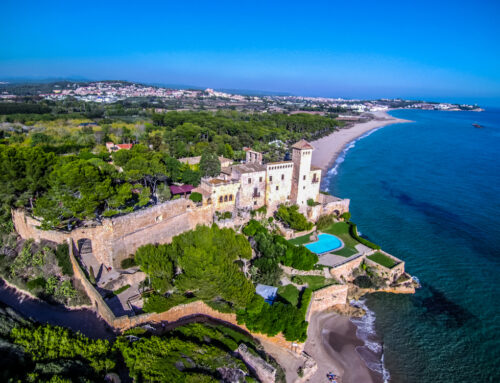
In this context, the city of Tarragona Spain represents an example of cultural diversity within Catalonia, combining local traditions with an increasingly multicultural population.
Population Statistics
Catalonia has a population of over 7.5 million, making it one of the most populous regions in Spain.
The population density varies considerably, with urban areas like Barcelona showing significantly higher concentrations of residents compared to rural regions.
Language and Multilingualism
Catalonia boasts a rich linguistic landscape.
The coexistence of different languages is a defining feature of the region, and this multilingualism reflects its complex historical influences.
Catalan Language
Catalan is a co-official language alongside Spanish, playing a crucial role in the region’s identity.
The Catalan language:
- It is spoken by around 73% of the population as their first language.
- Education policies aim to ensure proficiency in both Catalan and Spanish among young residents.
Catalan Culture
Catalan culture is a vibrant fusion of traditions, language, and artistic expression that reflects the region’s unique identity.
This cultural landscape encompasses literature, art, cuisine, and festivities, forming a fundamental aspect of life in Catalonia.
Language and Literature
The Catalan language plays a pivotal role in the cultural identity of the region.
It is not only a means of communication but also a rich vessel of cultural expression, with a thriving literary tradition that dates back centuries.
Art and Architecture
Catalonia boasts an impressive artistic heritage that ranges from medieval to contemporary styles.
The region is renowned for its unique architecture and a wealth of artists who have left an indelible mark on both national and international scales.
Notable Figures and Works
One of the most iconic figures in Catalan art is Antoni Gaudí, whose works, such as the Sagrada Familia and Park Güell, epitomise the Modernisme movement.
His innovative designs combine natural forms with creativity, contributing significantly to Barcelona’s skyline.
Modern Contributions
In recent years, contemporary Catalan artists and architects have continued to build on this artistic foundation.
Numerous galleries and institutions exhibit works by emerging talents, showcasing the dynamic evolution of Catalan art in the context of global movements.
Cuisine and Culinary Traditions
Catalan cuisine is celebrated for its rich flavours and diverse ingredients, influenced by Mediterranean traditions.
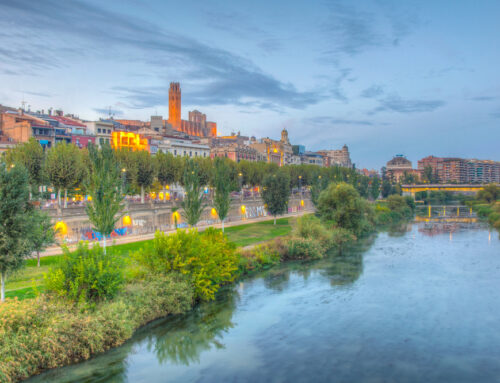
The city of Lleida Spain stands out for its traditional cuisine based on garden produce and typical recipes from the interior of Catalonia.
The region’s culinary offerings are a testament to its agricultural heritage and coastal resources.
Signature Dishes
- Paella, a rice dish traditionally made with seafood or meats, is popular across Spain but has unique variations in Catalonia.
- Escudella i carn d’olla, a hearty stew, reflects the rustic culinary traditions of the region.
- Crema catalana, a custard dessert with a caramelised sugar topping, showcases the sweet side of Catalan gastronomy.
Local Wines and Cavas
The wine regions of Penedès and Priorat are renowned for producing high-quality wines and cavas, a sparkling wine that is globally recognised.
The use of indigenous grape varieties and traditional methods add to the region’s distinguished reputation in the wine industry.
Festivals and Traditions
Catalonia’s cultural calendar is filled with vibrant festivals that celebrate local heritage and community spirit.
These events attract visitors and residents alike, fostering a sense of unity and identity.
Major Celebrations
- La Mercè, the annual festival in Barcelona, features parades, concerts, and fireworks, honouring the city’s patron saint.
- Castells, or human towers, is a unique tradition that showcases teamwork and strength, with groups, known as colles, competing to build the tallest towers.
Community and Heritage
The festivals often reflect deep-rooted historical significance, serving to revive traditions passed down through generations.
They reinforce social bonds and celebrate the linguistic and cultural diversity of Catalonia.
Exploring Catalonia: Map and Travel Highlights
Catalonia is a region teeming with remarkable sites and attractions to explore.
From vibrant cities to stunning natural landscapes, the highlights are numerous and each offers a unique glimpse into the region’s character.
Key Cities and Regions
Barcelona
Barcelona, the capital of Catalonia, is known for its artistic heritage and architectural marvels.
The city is famous for the surreal designs of Antoni Gaudí, including the iconic Sagrada Família and Park Güell.
Visitors can stroll along Las Ramblas, a lively street filled with shops, cafes, and street performers.
The Gothic Quarter, with its narrow medieval alleys and picturesque squares, adds to the city’s charm.
The vibrant nightlife and delicious gastronomy, featuring tapas bars and fresh seafood, make Barcelona an irresistible destination.
Girona and Costa Brava
Girona is a historical gem that boasts well-preserved old town areas, including the stunning Jewish Quarter and the impressive Cathedral of Girona.
Just a short drive away lies the Costa Brava, known for its rugged coastline, crystal-clear waters, and beautiful beaches.
The picturesque fishing villages, such as Calella de Palafrugell and Cadaqués, offer delightful seaside experiences.
The Mediterranean climate makes this region a popular choice for sun-seeking travellers and outdoor enthusiasts.
World Heritage Sites
Catalonia is home to several UNESCO World Heritage Sites, showcasing its rich cultural and architectural history.
Notable sites include:
- The Works of Antoni Gaudí, which feature unique structures that blend nature and architecture.
- The Pilgrimage Church of Saint Michael of Cuixà, an impressive example of early Romanesque architecture.
- The Medieval Town of Xàtiva, which highlights Catalonia’s historical significance as a trading hub.
These sites reflect the region’s historical depth and artistic contributions, attracting visitors keen on cultural exploration.
Natural Attractions and Outdoor Activities
The diverse landscape of Catalonia provides ample opportunities for outdoor activities.
The Pyrenees mountain range offers hiking trails suited for various skill levels, with breathtaking views and opportunities for wildlife spotting.
The Montserrat Mountain, with its distinctive jagged peaks, is not only a natural wonder but also a significant religious site, housing the famous monastery.
Nature enthusiasts can explore the Catalan countryside, which includes scenic routes perfect for cycling and walking.
Along the coast, the clear waters off Costa Brava are ideal for water sports such as kayaking and snorkelling, while the region’s many natural parks, like Aigüestortes i Estany de Sant Maurici National Park, provide exciting hiking trails and beautiful lakes for exploration.
Yours Free
Please click / tap on the image below:
If you would like to read about other important points for living / moving to Spain, here are other useful articles we wrote: