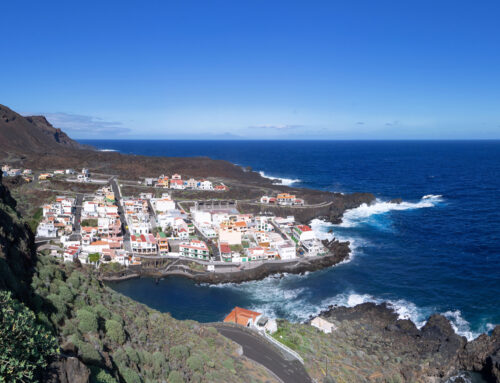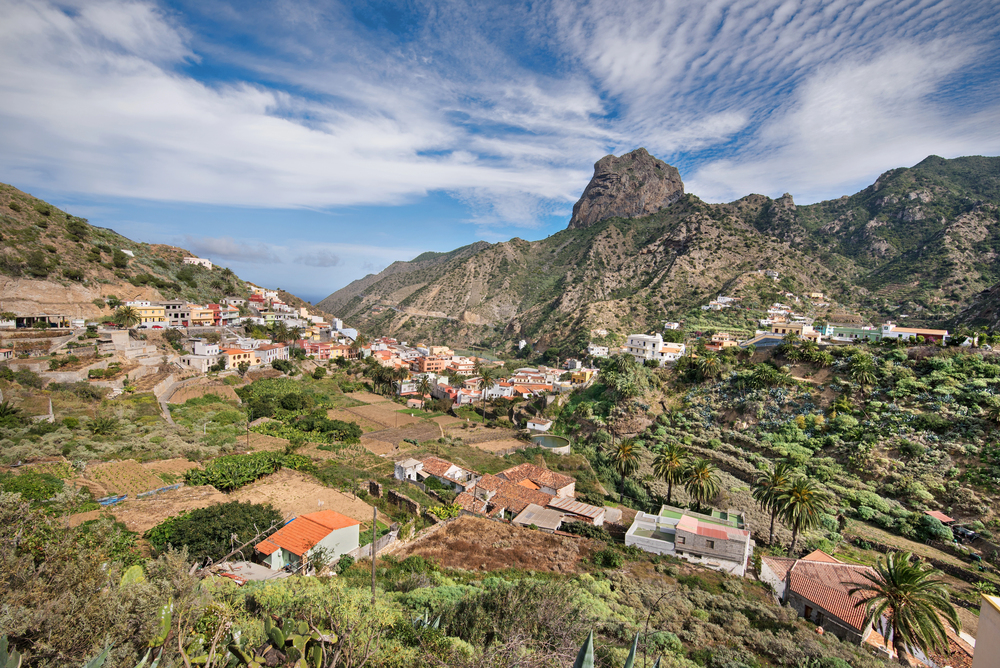
La Gomera is one of the lesser-known islands in the Canary Island Spain archipelago.
It is renowned for its stunning landscapes, rich cultural heritage, and unique ecological diversity.
The island features dramatic cliffs, lush forests, and beautiful beaches.
Visitors can explore its volcanic origins, traditional celebrations, and various outdoor activities.
La Gomera Spain offers a distinctive experience in a serene environment.

Before we start… Yours Free
Please click / tap on the image below:

The Geography of La Gomera Spain
La Gomera presents a varied geography that combines stunning volcanic landscapes, lush vegetation, and beautiful coastlines.
The island’s unique topography creates an unparalleled natural environment, making it a location of significant ecological importance.
Volcanic Origins
The formation of La Gomera is deeply rooted in its volcanic origins, a characteristic shared by many of the Canary Islands.
Geologically, it is believed that volcanic activity shaped the island millions of years ago, resulting in the dramatic cliffs and valleys that define its landscape today.
The island’s volcanic soil contributes to its rich biodiversity, supporting various plant and animal species found nowhere else.
Alto de Garajonay: The Highest Point
Alto de Garajonay stands as the highest point on the island, reaching an altitude of 1,487 meters.
This peak is located within Garajonay National Park, which showcases impressive views and a variety of hiking trails.
The summit often experiences a blanket of clouds, creating a mystical atmosphere that enhances the island’s natural beauty.
Visitors often hike to the top to witness breathtaking panoramas of the entire island and beyond.
Diverse Landscapes and Microclimates
The unique geography of La Gomera results in several microclimates, each supporting diverse ecosystems.
This variation is a result of the island’s topographical features, including mountains, valleys, and coastlines.
Coastal Areas and Black Sand Beaches
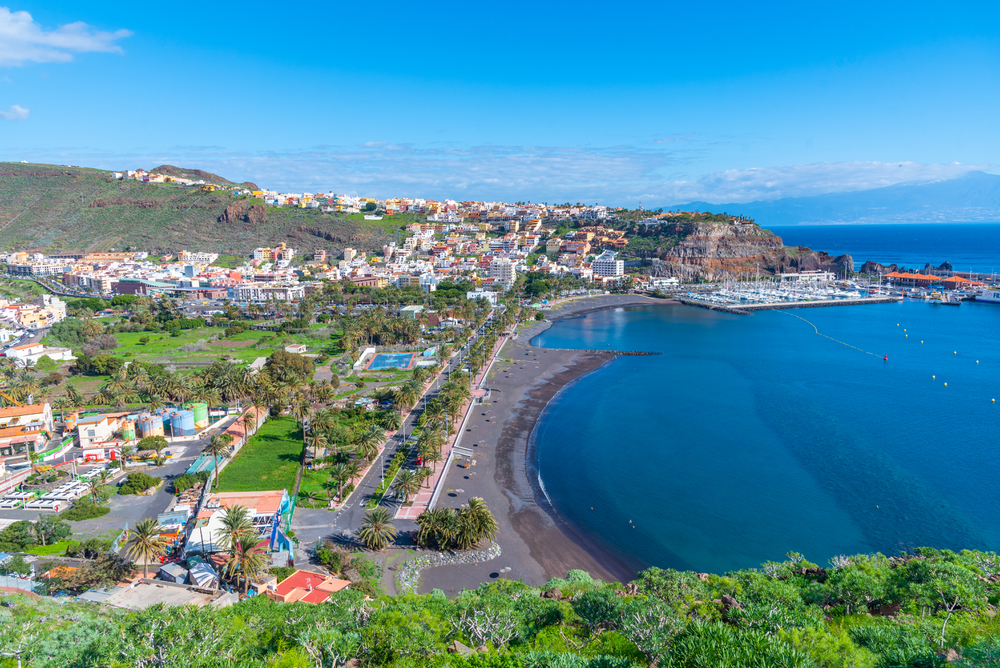
The coastal regions of La Gomera are characterised by dramatic cliffs and secluded black sand beaches.
The volcanic sand not only provides a distinctive appearance but also has a particular thermal property, warming quickly under the sun.
Popular beaches like Playa de Santiago and Valle Gran Rey offer both relaxation and opportunities for water sports, such as snorkelling and kayaking.
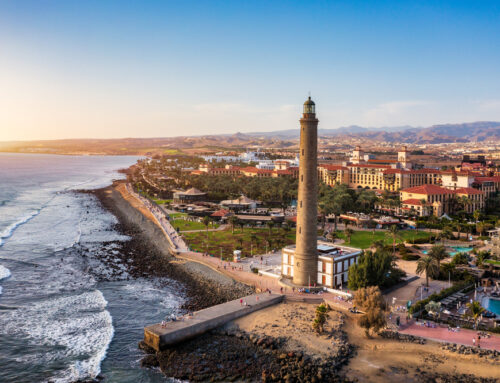
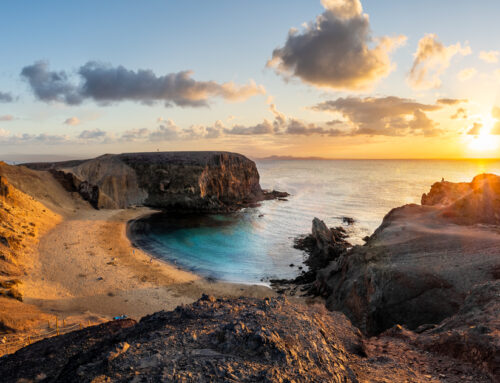
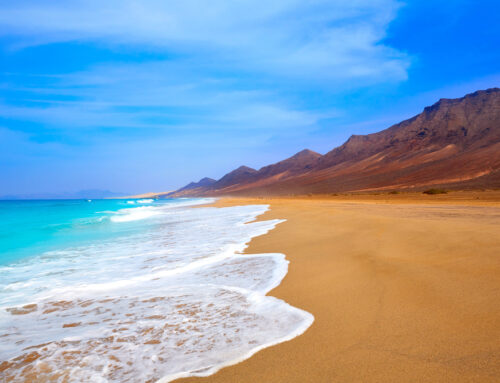
Discover more about the Canary Islands, from La Gomera to Fuerteventura Spain, each offering its own natural and cultural charm.
The Laurisilva Forests in Garajonay National Park
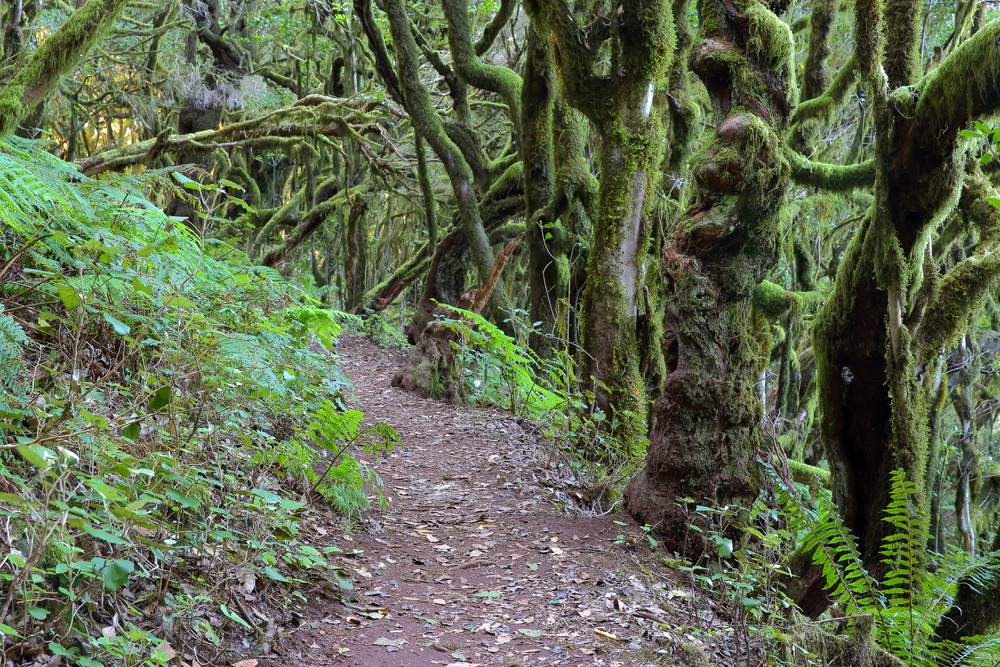
The Laurisilva forests, recognised as a UNESCO World Heritage Site, are one of the island’s most treasured ecological features.
This subtropical forest type thrives in the humid, mild climate found within the park.
The lush greenery, comprising laurel trees, ferns, and various endemic plants, provides sanctuary to diverse wildlife.
These forests are vital for maintaining the ecological balance of La Gomera and are a crucial area for hikers and nature enthusiasts to explore.
Cultural Heritage of La Gomera
The cultural heritage of La Gomera is a rich tapestry woven through its long history and unique traditions.
This remarkable island has preserved many aspects of its heritage that reflect the influences of the past and the resilience of its people.
Historical Significance and Christopher Columbus
La Gomera Spain holds a prominent place in history due to its strategic location in the Atlantic.
It was a critical stop for explorers, notably Christopher Columbus, who visited the island in 1492 before his historic journey to the Americas.
The island served as a vital resupply point, where Columbus gathered provisions and made final preparations.
This connection to global exploration marks La Gomera as a key site in the narrative of discovery and colonisation.
The Silbo Gomero: A Unique Whistling Language
One of the most distinctive elements of La Gomera’s cultural heritage is the Silbo Gomero, a whistled language developed to communicate across the island’s deep ravines and valleys.
This language has its roots in the ancient Guanche culture and was adapted to suit the geography of La Gomera Spain.
Recognised by UNESCO as an Intangible Cultural Heritage, Silbo Gomero has been preserved through education, with efforts to teach it in local schools, ensuring its continuation for future generations.
Traditional Celebrations and Festivals
The island’s calendar is filled with vibrant festivals that highlight its rich traditions and collective identity.
These celebrations often blend Christian and pre-Hispanic elements, showcasing the cultural diversity that characterises the island.
The Festival of the Virgin of Guadalupe
One of the most significant religious celebrations is the Festival of the Virgin of Guadalupe, held annually in October.
This festival includes the Bajada de la Virgen, a ceremonial procession where the statue of the Virgin is carried from her hermitage to the capital, San Sebastián.
This event garners immense local participation, reflecting deep spiritual connections and community bonds.
Local Gastronomy Highlights
The culinary traditions of La Gomera Spain are essential to its cultural identity.
The island boasts unique dishes that utilise local ingredients, showcasing the abundance of its natural environment.
Specialties such as almogrote, a cheese spread, and miel de palma, a syrup derived from palm trees, are culinary delights that reveal the island’s gastronomic heritage.
These dishes are often served during festivals, further reinforcing the connection between food and culture.
Exploring La Gomera: Activities and Attractions
The diverse landscapes of La Gomera offer a wealth of activities and attractions for nature enthusiasts and adventure seekers.
From breathtaking hiking trails to unforgettable wildlife experiences, the island caters to a variety of interests and provides unique opportunities to connect with its stunning natural environment.
Hiking and Nature Trails
La Gomera is renowned for its extensive network of hiking trails, which wind through pristine natural landscapes.
Offering routes suitable for all skill levels, these trails lead adventurers through lush forests, rocky terrains, and along dramatic cliffs.
Popular trails include:
- Sendero de los Roques: A moderately challenging trail that provides stunning views and a chance to see unique rock formations.
- El Adeje a La Fortaleza: This trail takes hikers through ancient laurel forests and offers glimpses of endemic flora and fauna.
- Path of the Old Vine: A scenic route that showcases the traditional agricultural practices of the island.
Each hike allows for a deeper appreciation of the island’s rich biodiversity and its breathtaking scenery.
Birdwatchers and nature lovers will be particularly delighted by the varied ecosystems that can be discovered along the trails.
Whale and Dolphin Watching
The waters surrounding La Gomera are a haven for marine life, making it an ideal location for whale and dolphin watching.
Numerous tour operators offer excursions that provide opportunities to observe these magnificent creatures in their natural habitat. Some species commonly seen include:
- Common Dolphin: Playful and acrobatic, they often swim alongside boats.
- Pilot Whale: Frequently spotted in the waters around La Gomera Spain, they are known for their intelligence and social behaviour.
- Fin Whale: The second-largest whale species, known for their incredible size and grace.
These tours not only contribute to environmental awareness but also support local conservation efforts, ensuring the preservation of marine biodiversity in the region.
Yours Free
Please click / tap on the image below:
Key Sites: Torre del Conde and Valle Gran Rey
Among the island’s cultural and historical attractions, Torre del Conde stands out.
This ancient watchtower, located in San Sebastián, dates back to the 15th century and played a vital role in the island’s defence.
Its well-preserved structure offers insights into La Gomera’s past and is a popular spot for visitors seeking to explore the island’s history.
Another significant location is Valle Gran Rey, known for its stunning landscapes and relaxed atmosphere.
This picturesque valley is home to beautiful black sand beaches and vibrant local markets.
It serves as an excellent base for exploring nearby hiking trails and is ideal for those looking to unwind by the sea while enjoying the breathtaking views.
Travelling to La Gomera
Getting to La Gomera Spain offers a blend of scenic travel options and beautiful views.
The journey is achievable through various routes, making it accessible for those wishing to explore this enchanting island.
How to Reach the Island
La Gomera can be approached by air and sea, predominantly through Tenerife, which serves as the main gateway.
The island is well-connected, ensuring a smooth journey for all visitors.
From Tenerife and Other Canary Islands
Travellers typically start their journey from Tenerife, where connections are frequent.
The island has two major airports, Tenerife South and Tenerife North, both serving various destinations.
- Tenerife South Airport hosts international flights, while Tenerife North Airport primarily caters to inter-island services.
- Regular flights to La Gomera Spain are available from Tenerife North, operated by local airlines, providing a swift and picturesque journey.
- Other Canary Islands also connect to La Gomera via Tenerife, making it easy to travel from places like Gran Canaria Spain or Lanzarote Spain.
Ferry Services and Flights
The ferry services stand out as a popular method of travel.
Ferries operate daily from Los Cristianos in Tenerife to San Sebastián, La Gomera’s capital.
- The crossing takes approximately 30 to 40 minutes, allowing passengers to enjoy stunning views of the surrounding ocean.
- Ferry facilities often include comfortable seating and refreshments, ensuring a pleasant travel experience.
- In addition to ferries, there are occasional flights from other islands, but these are less frequent.
Accommodation and Local Transport
Upon arrival, visitors will find diverse lodging options to suit all budgets.
Accommodation ranges from hotels and guesthouses to rural stays, reflecting the island’s unique charm.
Local transport includes buses and taxi services, making it easy to explore La Gomera’s remote areas and captivating landscapes.
Rent-a-car services are also available for those preferring a self-guided journey.
Scenic roads wind through the island’s mountains, allowing travellers to discover hidden gems along the way.
Weather in La Gomera
The climate of La Gomera Spain is a significant aspect of its appeal, characterised by mild temperatures and diverse conditions ideal for an array of outdoor activities throughout the year.
Climate Overview and Best Times to Visit
La Gomera enjoys a subtropical climate, providing a warm atmosphere that remains pleasant year-round.
The island’s geographical features lead to varied climatic conditions in different regions.
The coastal areas experience mild to warm temperatures while the higher altitudes maintain a cooler climate.
- Winter (December to February): Average temperatures range from 15°C to 22°C, making it a popular time for visitors looking to escape colder climates. Rain is more frequent but typically short-lived.
- Spring (March to May): This season sees a gradual warming, with temperatures reaching between 16°C and 25°C. It’s considered one of the best times to visit due to lower tourist numbers and blooming flora.
- Summer (June to August): Average temperatures can rise between 20°C and 30°C. While the coastal areas can be quite hot, the higher regions remain cooler and more comfortable. This is the peak tourist season.
- Autumn (September to November): Early autumn can still be warm, with temperatures around 19°C to 28°C, gradually cooling towards November. It is often less crowded, providing a pleasant experience.
All Year Round Conditions
The weather in La Gomera Spain allows for various activities, attracting nature enthusiasts and adventurers alike.
Visitors can enjoy hiking, whale watching, and exploring the unique ecosystems regardless of the season.
The microclimates across the island also contribute to its ecological diversity.
Even with some seasonal variations, precipitation is generally concentrated in the winter months.
Most of the year remains sunny, allowing for outdoor exploration.
Friends or families looking for adventure can explore the island’s rugged terrain and rich biodiversity with ease.
La Gomera’s average annual rainfall is about 1,200 mm, primarily occurring during the winter months.
The lush vegetation, especially in the Laurisilva forests, flourishes due to this rainfall, creating breathtaking scenery ideal for photography and peaceful excursions.
This beautiful island thrives in warm sunshine for a vast part of the year.
Its pleasant climate makes La Gomera an attractive destination for visitors seeking tranquility, outdoor activities, and a chance to immerse themselves in nature’s splendour.
La Gomera in the Canary Islands Map
Understanding the geographical layout of La Gomera is essential for visitors and locals alike, offering insights into its location and navigational routes.
Location and Proximity to Other Islands
La Gomera is strategically situated in the central part of the Canary Islands, lying to the west of Tenerife Spain and just south of La Palma Spain.
This positioning makes it accessible from various neighbouring islands, enhancing its appeal as a travel destination.
With a relatively compact size, its geographic isolation has allowed it to maintain a distinct character and charm.
- Distance from Tenerife: Approximately 30 km.
- Distance from La Palma: Around 70 km to the west.
- Nearby Islands: El Hierro Spain and Gran Canaria are also within reasonable travelling distance.
Navigating the Island: Main Roads and Routes
La Gomera features a well-established network of roads that facilitates exploration of its stunning landscapes.
The main road, known as the GM-1, stretches from the north to the south of the island, connecting key municipalities and attractions.
- The GM-1 serves as the primary artery, linking the capital, San Sebastián de La Gomera Spain, with the popular tourist spots in Valle Gran Rey and other towns.
- Secondary roads branch off from the GM-1, allowing access to hidden gems such as the Garajonay National Park and local villages.
- Curvy, steep paths are common, offering breathtaking views but requiring careful driving.
Public transport options include buses that operate between major towns, providing an alternative for those who prefer not to drive.
However, hiring a vehicle often allows for greater flexibility in exploring remote areas and enjoying the island’s natural beauty at leisure.
Yours Free
Please click / tap on the image below:
If you would like to read about other important points for living / moving to Spain, here are other useful articles we wrote: