San Sebastián, located in Spain’s Basque Country, is a vibrant city known for its stunning coastline and rich culinary heritage.
It attracts many visitors each year who come to explore its beautiful beaches and historic streets.
The city boasts a unique blend of culture, history, and gastronomy.
With various festivals and events throughout the year, San Sebastian Spain offers a lively atmosphere that showcases its Basque identity.

Before we start… Yours Free
Please click / tap on the image below:

Discovering San Sebastian Spain
The journey through San Sebastián unveils a blend of history, culture, and natural beauty.
Each facet of the city contributes to its unique charm and allure.
Etymology and Name
The name ‘San Sebastián’ originates from the patron saint of the city, San Sebastian Spain. In the Basque language, it is known as ‘Donostia.’
The term ‘Dona’ is derived from the Latin ‘domina,’ translating to ‘lady’ or ‘saint,’ and reflects the deep-rooted religious significance of the area.
Over the years, the name has evolved, showcasing the rich linguistic history of the region.
Historical Overview
San Sebastián boasts a rich tapestry of history, with influences from various eras that have shaped its identity.
Prehistoric Beginnings
The area’s history dates back over 20,000 years, with archaeological findings indicating that early human communities inhabited the region.
Evidence from sites such as Ametzagaña reveals that prehistoric inhabitants were skilled hunters and gatherers, adapting to the colder climate of the time.
These early societies laid the groundwork for the later developments that would define the city.
Medieval Developments
Written records of San Sebastián emerge around 1014 with the establishment of a monastery dedicated to Saint Sebastian.
During the medieval period, the city experienced significant growth, becoming an essential hub for trade and religious activities in the region.
Its strategic location by the coast facilitated commerce, allowing it to flourish as a centre of influence.
Transformation in the 19th Century
The 19th century marked a pivotal point in the transformation of San Sebastian Spain.
With the rise of tourism, particularly during the Spanish monarchy’s summer retreats, the city developed into a fashionable destination for the elite.
The infrastructural improvements, along with cultural initiatives, established it as a prominent seaside resort.
Landmark events, such as international exhibitions, further solidified San Sebastián’s growing reputation on the European stage and contributed to its modern identity.
Geography and Location
The geography and location of San Sebastian Spain play a crucial role in its charm and allure.
Nestled between the mountains and coastal waters, the city offers a stunning natural backdrop complemented by its rich cultural heritage.
Position in the Basque Country
San Sebastián is situated in the north of Spain, serving as the capital of the Gipuzkoa province within the autonomous community of the Basque Country.
Its strategic location makes it an important cultural and economic hub in the region.
The city lies approximately 20 kilometres from the French border, making it an accessible destination for international visitors.
San Sebastián’s proximity to other notable Basque cities, such as Bilbao Spain and Pamplona, enriches its cultural landscape.
This positioning has attracted a blend of influences that define the city’s unique character.
The Bay and Surrounding Hills
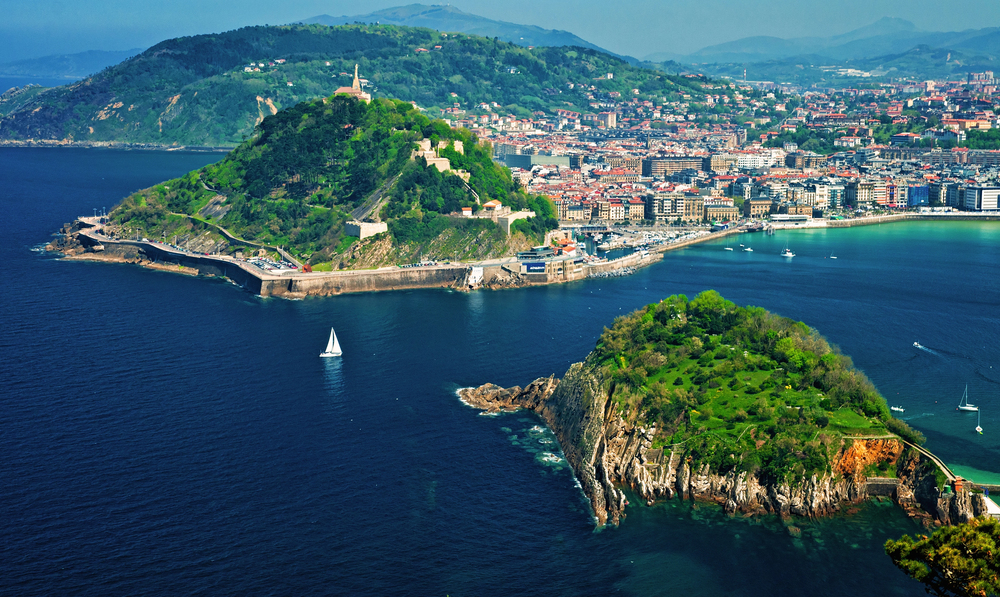
The city’s most striking feature is its picturesque bay, known as La Concha.
The bay is framed by an elegant promenade dotted with cafes and recreational areas, making it a favourite spot for both locals and tourists.
The surrounding hills, including Monte Igueldo and Monte Urgull, provide breathtaking panoramic views of the city and the coastline.
- Monte Igueldo: Renowned for its accessible viewpoints and amusement park, it offers a thrilling day out for families and adventure seekers.
- Monte Urgull: Steeped in history, this hill is home to a historic fortress and various walking trails that reveal the city’s past.
The combination of the glistening bay and the rugged hills not only contributes to the scenic beauty of San Sebastian Spain but also creates favourable micro-climates, enhancing the city’s appeal as a destination for outdoor activities and relaxation.
Climate of San Sebastián
The climate in San Sebastian Spain is largely shaped by its coastal position along the Bay of Biscay.
This results in a predominantly oceanic climate, characterised by mild temperatures and a good amount of precipitation throughout the year.
Weather Patterns
San Sebastián experiences four distinct seasons. Summers are generally warm and pleasant, with average temperatures ranging from 21°C to 25°C.
The humidity from the nearby ocean adds a freshness to the warm weather, making it an ideal time for beach activities and outdoor excursions.
Winters, on the other hand, are cooler, with temperatures averaging between 8°C and 12°C.
Despite being chilly, the weather remains relatively mild compared to other parts of Spain, making the city accessible year-round. Rainfall is common during the winter months, contributing to the city’s lush vegetation.
Spring and autumn serve as transitional periods, often featuring unpredictable weather.
In spring, temperatures gradually warm up, and the city starts blooming, while autumn brings beautiful foliage alongside cooler evenings.
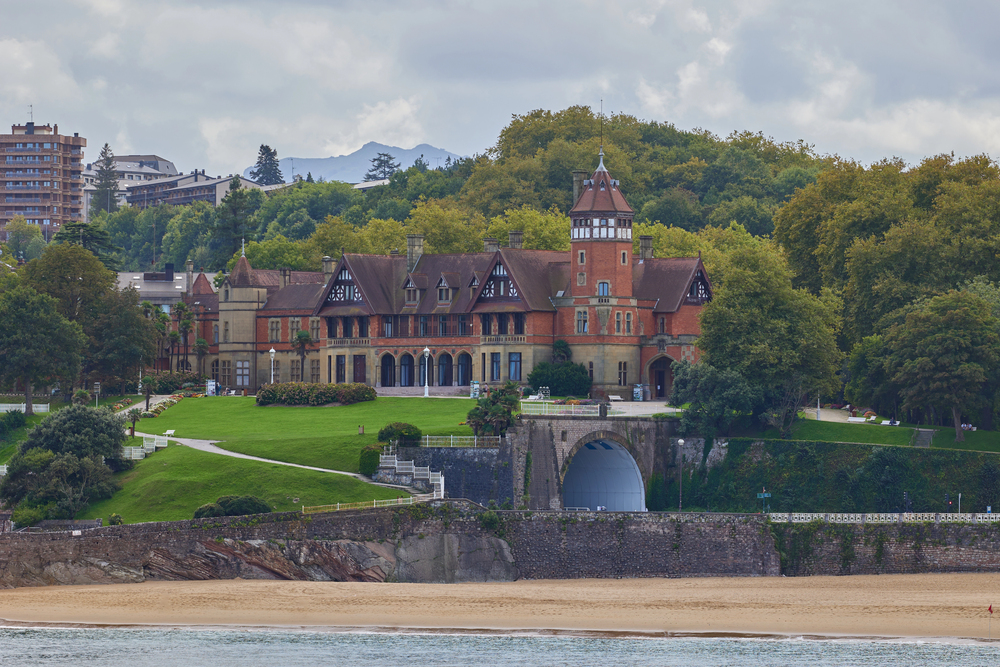
Best Times to Visit
The optimal periods for visiting San Sebastian Spain are late spring and early autumn.
From May to June, the weather is typically warm and dry, perfect for enjoying the beaches and outdoor festivals.
During this time, the city is less crowded compared to the peak summer months.
Autumn, specifically September to October, also offers pleasant conditions.
Though the water temperature may start to drop, the atmospheric charm, along with the local cultural events, creates a wonderful experience for visitors.
Summer, especially in July and August, sees the highest influx of tourists.
This is when the city buzzes with energy, thanks to various festivals and a vibrant nightlife.
However, securing accommodation can be challenging during these months as many locals take their holidays.
- Summer (July to August): Warm with many tourists.
- Spring (May to June): Mild and ideal for outdoor activities.
- Autumn (September to October): Pleasant weather and fewer tourists.
- Winter (November to February): Cooler, with opportunities for quiet exploration.
Beaches of San Sebastián
San Sebastian Spain boasts a stunning coastline featuring three primary beaches, each offering unique charms and activities.
These beaches are popular destinations for both locals and visitors, providing perfect spots for relaxation, sunbathing, and water sports.
Playa de la Concha
Renowned as one of the most beautiful city beaches in Europe, Playa de la Concha is a focal point of San Sebastián’s maritime allure.
Its shell-shaped bay is lined with golden sands and is ideal for sunbathing and swimming.
-
Facilities
The beach is equipped with comprehensive facilities, including showers, sunbeds, and beach bars.
Lifeguards are on duty during the summer months, ensuring a safe environment for families and children.
-
Activities
Visitors can indulge in numerous activities such as paddleboarding, kayaking, and beach volleyball.
The promenade is perfect for walking, jogging, or simply enjoying a leisurely bike ride while taking in the picturesque views.
Playa de Ondarreta
Situated adjacent to Playa de la Concha, Playa de Ondarreta offers a slightly quieter ambiance, making it a perfect spot for families.
The beach is surrounded by stunning scenery, including the historic Monte Igueldo.
-
Scenic Views
The beach provides breathtaking views of the bay and the city, particularly at sunset when the sky transforms into a palette of vibrant colours.
The nearby gardens add a natural beauty that complements the golden sands.
-
Family-Friendly Activities
With its gentle waves, Playa de Ondarreta is an excellent choice for children learning to swim.
The beach offers playgrounds and picnic areas, ensuring an enjoyable day for the whole family.
Playa de Zurriola
Playa de Zurriola is the go-to destination for thrill-seekers and surfers.
Known for its lively atmosphere, this beach attracts a younger crowd due to its fantastic waves and vibrant beach culture.
-
Surfing and Water Sports
The beach hosts surf schools catering to all skill levels, allowing newcomers to embrace the exhilarating sport of surfing.
Rent surfboards or join lessons with seasoned instructors to make the most of the waves.
-
Cultural Events
Playa de Zurriola is also home to various cultural events and festivals throughout the year, which contribute to its lively environment.
This beach embodies the spirit of San Sebastián’s youthful energy and is perfect for those wishing to experience local culture.
Cultural Highlights
San Sebastian Spain boasts a vibrant cultural scene, reflecting its rich heritage and artistic dynamism.
Visitors can explore its historical roots and indulge in culinary excellence while experiencing a blend of traditional and modern art forms.
Old Town
Historical Significance
The Old Town, or Parte Vieja, is the heart and soul of San Sebastian Spain.
Its narrow streets are lined with historic buildings and charming plazas, showcasing the rich architectural heritage of the city.
Originally founded in the early 12th century, the area has served as a bustling centre for commerce and social interaction.
The iconic San Vicente Church, dating back to the 18th century, is a notable landmark, offering insights into the city’s past.
The enduring charm of the Old Town is palpable, with vibrant local life spilling out onto the streets, contributing to an atmosphere steeped in history.
Culinary Delights in the Old Town
The culinary scene in the Old Town is nothing short of exceptional.
Pintxos, the Basque equivalent of tapas, are a must-try, with numerous bars offering creative and mouth-watering options.
Visitors can sample local delicacies such as the famous “gilda” (a skewered combination of olives, anchovies, and pickled peppers) alongside a glass of local txakoli wine.
The gastronomic culture here is intensely local, with chefs often using fresh, seasonal ingredients sourced from nearby markets.
The Old Town becomes a lively hub during the evening as locals and tourists alike gather to enjoy food and drinks, making it an essential part of the San Sebastián experience.
Art and Architecture
San Telmo Museum
Situated in a former convent, the San Telmo Museum is a focal point for understanding the Basque culture and history.
The museum’s diverse collection includes historical artefacts, contemporary art exhibitions, and works that highlight the social transformations in the region.
It not only showcases local artists but also hosts temporary exhibitions featuring international creators.
The architectural blend of the building itself, combining modern elements with traditional styles, provides a visual treat that complements the artwork displayed within.
Peine del Viento
Peine del Viento, or “The Comb of the Wind,” is a landmark sculpture by renowned artist Eduardo Chillida.
This iconic piece, located at the edge of the La Concha beach, masterfully integrates art with the natural environment.
It consists of three steel structures that emerge from the rocks, harmonising with the powerful waves of the Bay of Biscay.
The installation not only serves as a testament to Chillida’s innovative approach to sculpture but also offers breathtaking views of the coastline, making it a favourite spot for both art lovers and visitors seeking picturesque landscapes.
Festivals and Events
San Sebastian Spain hosts a vibrant array of festivals and events throughout the year, reflecting its rich cultural heritage and lively community spirit.
These celebrations offer unique insights into the city’s traditions and are an essential part of the local experience.
San Sebastián Day
San Sebastián Day, celebrated on January 20th, is a local holiday dedicated to the city’s patron saint.
This occasion is marked by a range of activities that showcase the city’s cultural identity.
The streets come alive with music, parades, and traditional Basque performances, drawing both locals and visitors to partake in the festivities.
- The day kicks off with a ceremonial mass in honour of San Sebastian Spain.
- Highlight events include the popular tamborrada, where participants don traditional attire and carry drums through the streets.
- Food stalls offering local delicacies provide a festive atmosphere, enhancing the celebration with delectable Basque cuisine.
Semana Grande
Semana Grande, or ‘Big Week’, occurs in August and is one of the most anticipated celebrations in the city.
This week-long festival features a packed programme of events that includes concerts, theatre performances, and various competitions.
- Daily concerts and performances in multiple venues ensure that there is entertainment for everyone, from rock music to traditional Basque folk.
- One of the highlights is the fireworks competition, which lights up the night sky and draws large crowds.
- Families can enjoy street fairs and activities designed for all ages, making it a communal celebration.
International Film Festival
The International Film Festival in San Sebastian Spain is a prestigious event that takes place every September, marking its significance on the global film calendar.
It attracts renowned filmmakers and actors, bringing the glamour of cinema to the city.
- The festival showcases a diverse range of films, including premieres and award-winning entries from various countries.
- In addition to film screenings, the event includes masterclasses, panel discussions, and opportunities for industry networking.
- Film enthusiasts have the chance to engage with cinematic art in a vibrant atmosphere, where cinema and culture converge.
Yours Free
Please click / tap on the image below:
Gastronomy of San Sebastián
San Sebastian Spain is renowned for its exceptional culinary scene, reflecting the rich traditions and high-quality ingredients of Basque cuisine.
The city’s gastronomic offerings range from elegant dining establishments to lively pintxos bars, all showcasing the region’s commitment to flavour and presentation.
Pintxos and Local Dishes
Pintxos are a signature aspect of San Sebastián’s gastronomy, offering a casual yet indulgent dining experience.
These small bites, similar to tapas, can be found in numerous bars throughout the city. Some popular pintxos include:
- Gambas al Ajillo: Sizzling garlic prawns served on crusty bread.
- Txangurro: Spider crab served in its shell with a delicate sauce.
- Chistorra: A traditional Basque sausage, often served with a piece of bread.
- Mini Tortilla: A small tortilla de patatas, a beloved Spanish omelette.
While pintxos dominate the casual dining scene, traditional dishes also play an important role.
Local delicacies feature ingredients from the surrounding waters and fields.
Notable mentions include:
- Bacalao a la Vizcaína: Cod cooked in a rich, spicy tomato sauce.
- Merluza a la Koskera: Hake with a variety of vegetables and sauce.
- Chuletón: A large beef steak, grilled to perfection.
The Basque Culinary Scene
The Basque Country is frequently regarded as a culinary haven, and San Sebastián is at the forefront of this reputation.
The region’s strong agricultural practices and fishing traditions provide chefs with an abundance of exceptional ingredients.
The culinary scene is further enriched by:
- Basque Culinary Centre: A gastronomic school that fosters culinary innovation and educates future chefs.
- Local Markets: Vibrant markets such as La Bretxa and San Martín provide fresh produce, seafood, and artisanal products that inspire chefs and home cooks alike.
- Culinary Festivals: Events throughout the year celebrate food and wine, providing opportunities for tasting local wines and dishes.
The dedication to high-quality cooking and the adventurous spirit of the locals create an unparalleled gastronomic experience, making it a destination for food lovers globally.
Transport and Accessibility
Getting around San Sebastian Spain is straightforward due to its well-developed transport network.
Both local and regional options ensure ease of travel, facilitating exploration of this vibrant city and its surroundings.
Getting Here
San Sebastián is accessible by various means of transport, catering to both national and international visitors.
Vitoria Spain is a bit more than one hour away from San Sebastian.
The closest airport is Hondarribia Airport, located approximately 20 minutes from the city centre.
Regular flights connect San Sebastián with major cities in Spain and Europe.
For those travelling by train, the Estación del Norte offers services operated by Renfe, linking San Sebastian Spain to cities such as Madrid, Barcelona, and Bilbao.
The bus station, located near the city centre, provides intercity and regional connections, ensuring convenient travel options for visitors.
Navigating the City
Upon arrival, navigating San Sebastián is simple, with various modes of transport available.
The city centre is compact, making it ideal for walking.
The scenic stroll along the waterfront or through the quaint streets of the Old Town is both enjoyable and practical.
For longer distances, cycling is a popular choice.
There are numerous bike rental services available throughout the city, and San Sebastian Spain boasts a network of cycle paths, allowing easy exploration of the city’s coastline and parks.
Public Transport Options
The public transport system in San Sebastián is efficient and user-friendly, facilitating easy movement around the city.
The local bus service, operated by Dbus, covers extensive routes, providing access to all major attractions.
Timetables are clearly displayed, and buses are frequent, ensuring a convenient way to travel.
- Regularly scheduled services connect various neighbourhoods to the city centre.
- Bus stops are conveniently located, making access simple for residents and tourists alike.
In addition to buses, San Sebastian Spain offers an efficient tram service, which is particularly beneficial for getting to the nearby areas.
The tram runs at regular intervals, connecting various points of interest around the city.
Finally, taxis are readily available, providing an alternative for those who prefer a direct mode of transport.
Taxi ranks can be found at key locations such as the train station and major hotels.
Outdoor Activities
San Sebastián offers an array of outdoor activities, perfect for those who enjoy the great outdoors and wish to engage with the stunning natural landscape that surrounds the city.
From water sports to hiking, there is something for everyone.
Surfing and Water Sports
The coastal waters of San Sebastian Spain are renowned for their excellent surfing conditions.
Enthusiasts flock to the city’s beaches, particularly Playa de Zurriola, which is well-known for its consistent waves, attracting surfers of all skill levels.
Surf schools offer lessons for beginners, providing all the necessary equipment to get started.
With experienced instructors, novices can quickly learn the basics of riding the waves, ensuring a fun and safe experience.
In addition to surfing, various other water sports are available, including:
- Stand-up paddleboarding (SUP)
- Kitesurfing, especially during the windy months
- Kayaking along the beautiful coastline
- Wind surfing for thrill-seekers
These activities can be enjoyed under the watchful eye of instructors, ensuring a safe and enjoyable experience for both beginners and seasoned veterans alike.
The vibrant beach culture adds to the appeal, with numerous beach bars and restaurants that create a lively atmosphere after a day in the water.
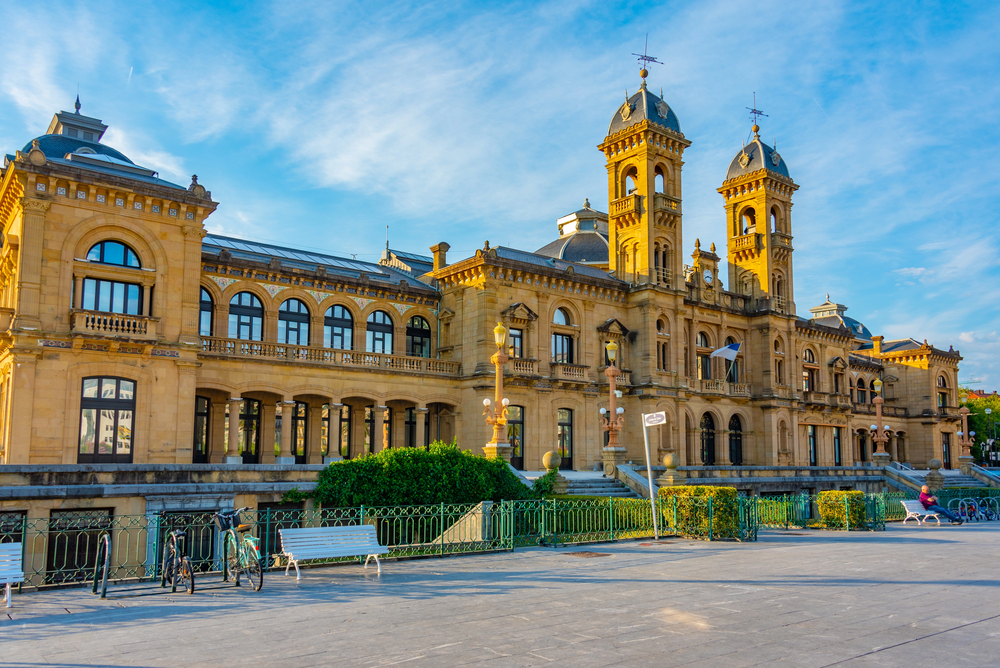
Hiking Around the Hills
The scenic hills surrounding San Sebastián offer some of the best hiking opportunities in the region.
Trails vary in difficulty, catering to both casual walkers and seasoned hikers looking for a challenge.
Popular hiking spots include:
- Monte Urgull: This hill not only provides stunning views of the city and bay, but also features a historic fortress and scenic pathways.
- Monte Igueldo: Known for its panoramic views, this trail is popular among hikers. A funicular railway is also available for those who prefer a more leisurely ascent.
- Monte Ulia: This area offers beautiful coastal views and connects various trails that lead to quaint spots and natural vistas.
As hikers navigate these trails, they are greeted by an abundance of greenery and wildlife endemic to the Basque region, making the experience both refreshing and enriching.
Along the way, hikers can discover local flora and fauna while enjoying the fresh air and stunning landscapes.
With trails well-marked and varied in length, guided hikes can also be arranged for those wanting to explore with the expertise of a local guide.
Whether taking a leisurely stroll or embarking on a challenging hike, the outdoor activities in and around San Sebastian Spain promise to be both invigorating and enjoyable.
Accommodation Options
Finding the right place to stay is essential for an enjoyable visit.
San Sebastián offers a diverse selection of accommodation, catering to various preferences and budgets.
Budget-Friendly Options
San Sebastián is also home to a variety of affordable lodging choices that do not sacrifice quality:
-
Pensiones
These guesthouses offer charming and economical accommodations. Many are family-run and provide a warm, welcoming atmosphere. They often include breakfast and have shared or private bathroom options.
-
Hostels
Popular among backpackers and younger travellers, hostels in San Sebastian Spain offer shared dormitories and private rooms. Facilities typically include communal kitchens and social areas, ideal for meeting fellow travellers.
-
Budget Hotels
A range of budget hotels provide comfortable stays without breaking the bank.
These establishments often feature essential amenities and are strategically located near public transport, making it convenient to explore the city.
Planning Your Holiday
Preparing for a trip to San Sebastián involves understanding practicalities, the ideal times to visit, and what essentials to pack for an enjoyable stay.
Below are key considerations to ensure a smooth experience.
Practical Information
San Sebastian Spain operates on Central European Time (CET), which is UTC+1, and observes daylight saving time, shifting to CEST (UTC+2) in the summer months.
The local currency is the Euro, and various ATMs and banks are readily available throughout the city for cash withdrawals.
The official language is Spanish, with Basque also widely spoken. Familiarity with a few basic phrases in both languages can enhance interactions with locals.
English is commonly spoken in tourist areas, but it may be less prevalent in smaller establishments.
The city’s public transport includes buses, which provide convenient access to different districts, making it easy to navigate.
Taxis are also available, offering a reliable way to travel, especially late at night.
Best Times for Holidays
San Sebastián enjoys a mild climate, making it a year-round destination.
However, the best times to visit are during spring (April to June) and early autumn (September to October) when the weather is pleasant, and tourist crowds are smaller.
- Spring: The city blooms with vibrant flora, offering a scenic backdrop for exploration. The temperatures range from 10°C to 20°C, making outdoor activities enjoyable.
- Summer: While the beaches are bustling and temperatures can reach around 25°C, this season is popular among tourists. Expect lively atmosphere with numerous events and festivals.
- Autumn: The weather remains mild, and the city is less crowded. It is an excellent time to sample local cuisine during the quieter months.
- Winter: This season is cooler, with temperatures averaging between 5°C and 15°C. Although it is off-peak, enjoying festive decorations and fewer crowds can be appealing.
What to Pack for San Sebastián
When preparing for a trip to San Sebastian Spain, packing appropriately can enhance the experience.
A combination of clothing suitable for both warm and cooler weather is advisable. Consider the following essentials:
- Light Layers: The weather can change quickly, so layering allows for comfort throughout the day.
- Comfortable Footwear: A good pair of walking shoes is essential for exploring the city’s beautiful streets and hills.
- Beachwear: Bathing suits and beach towels are necessary for those wishing to enjoy the sun on the city’s renowned beaches.
- Rain Gear: An umbrella or waterproof jacket is wise, particularly in spring and autumn when rainfall can occur.
- Cultural Attire: If planning to dine in upscale restaurants, smart-casual attire may be required.
Ultimately, careful planning ensures a memorable and enjoyable getaway in this picturesque coastal city.
Yours Free
Please click / tap on the image below:
If you would like to read about other important points for living / moving to Spain, here are other useful articles we wrote: