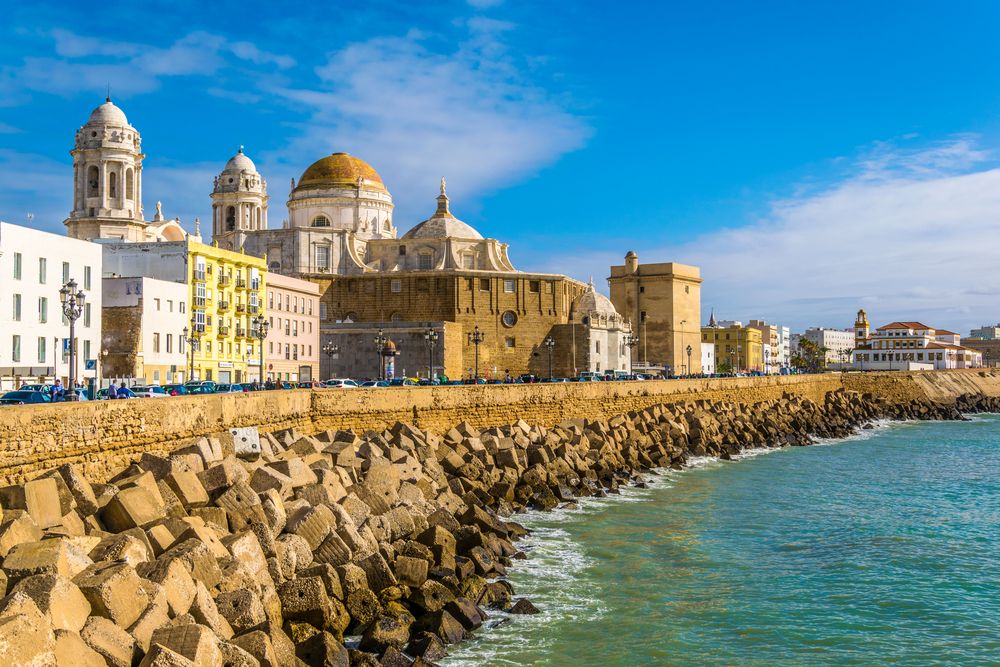
Cádiz is a historic city located in southwestern Spain, known for its rich maritime heritage.
Founded by the Phoenicians, it has been a significant cultural crossroads for centuries.
The city features a unique blend of architectural styles, influenced by various civilisations.
With its stunning beaches and vibrant festivals, Cádiz attracts visitors who wish to experience its lively atmosphere and historical significance.
The Alhambra in Granada Spain is one of the most emblematic monuments in Andalusia Spain, and its proximity to Cádiz makes it an ideal destination for exploring the region.

Before we start… Yours Free
Please click / tap on the image below:

History of Cadiz Spain
The history of Cádiz is a rich tapestry that reflects its status as one of the oldest cities in Europe, deserving of exploration from its ancient beginnings to its significant role in modern times.
Origins with the Phoenicians
Establishment of Gadir
Cadiz Spain was originally founded by the Phoenicians around 1100 BC under the name Gadir, derived from the term meaning ‘fortress’.
This early establishment served as a crucial trading post, strategically located on the coast of the Iberian Peninsula.
Role in Ancient Trade
The city’s location made it a significant hub for commerce among various ancient civilisations, facilitating trade between the Mediterranean and distant lands.
Its ports became vital for trading goods such as textiles, metals, and agricultural products, establishing Cádiz as an important economic centre in the region.
Under Roman Rule
Economic Growth and Port Importance
In 206 BC, Cádiz became part of the Roman Empire after the Punic Wars.
Under Roman rule, it experienced immense economic growth, with the city’s harbour expanding to accommodate larger ships and increasing trade volume.
Consequently, Cádiz solidified its status as a critical maritime port.
Roman Theatre and Architecture
The influence of Roman architecture is evident in Cádiz, with the discovery of a well-preserved Roman theatre among other monumental structures.
This theatre is one of the largest found in Spain, showcasing the grandeur of Roman architectural skills and the city’s cultural significance during this era.
From the Visigoths to Al-Andalus
The Moorish Influence
Following the decline of the Roman Empire, Cadiz Spain fell into the hands of the Visigoths before being conquered by Muslim forces in the early 8th century.
The period of Al-Andalus saw a flourishing of culture and education, with the city becoming a centre of learning and trade.
Transition to Christian Reconquista
In 1262, Cádiz was reclaimed by the Christians under the leadership of King Ferdinand III.
This transition marked the beginning of a new era, as the city was reshaped to align with Christian traditions while retaining its historical and cultural significance from previous dominations.
Cádiz in the 16th Century
The Impact of Trade with the Americas
The 16th century was a pivotal time for Cádiz, coinciding with the Age of Discovery.
It became the primary port for trade with the Americas, facilitating the influx of precious metals, exotic goods, and new ideas, which greatly enriched the city and influenced its development.
Development of the City Walls
To protect its growing wealth and trade routes, Cadiz Spain constructed impressive city walls during this period.
These fortifications served as a defensive barrier against potential invasions and played a crucial role in safeguarding the city’s prosperity.
The 18th Century Flourish
The Cathedral and Urban Expansion
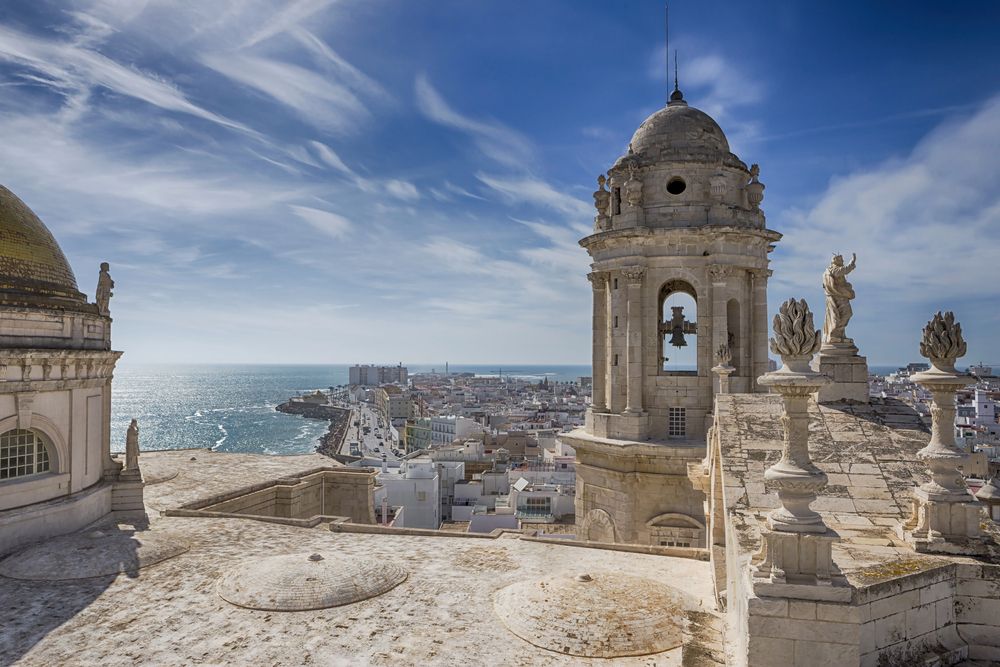
The 18th century witnessed a remarkable urban expansion in Cádiz, highlighted by the construction of its iconic cathedral.
This neoclassical structure, with its striking yellow dome, is a testament to the city’s architectural ambition and represents its flourishing cultural life during this era.
Cultural and Economic Boom
During the 18th century, Cadiz Spain experienced a cultural and economic boom.
The city’s ports thrived as important trade gateways, fostering a vibrant community enriched by diverse influences.
Artistic expressions, literature, and music flourished, leaving a lasting imprint on Cádiz’s cultural landscape.
Geography and Climate
Cádiz is situated in the southern part of Spain, making it a unique coastal city with a rich geographical landscape and a pleasant climate.
Its strategic location has played a significant role in its historical development and cultural exchanges.
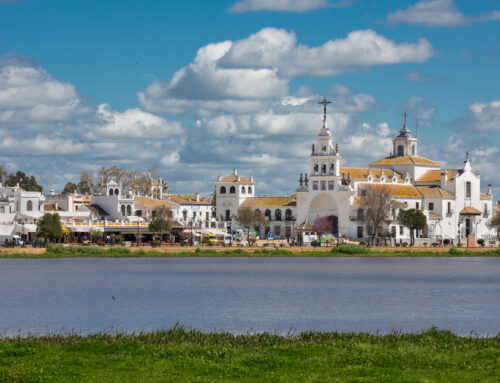
The Andalusian Atlantic coast connects historical destinations from Huelva Spain to Cadiz.
The culture of Cádiz has influences from Mediterranean culture, similar to that of Murcia Spain, with festivals and traditions such as Holy Week and the April Fair.
Location on the Iberian Peninsula
The Isthmus Connection
Cadiz Spain is located on the far southwestern tip of the Iberian Peninsula, surrounded by the Atlantic Ocean.
This geographical positioning is characterised by a narrow isthmus, which connects the city to the mainland.
This natural feature allows for both easy access and a sense of isolation, providing a unique environment for its inhabitants and visitors alike.
Significant Geographic Features
The city’s coastline is marked by beautiful beaches and natural parks. Cádiz is a city located in the Andalusia region, but its proximity to the Valencia region makes it an ideal destination for exploring the Spanish Mediterranean coast.
The bay of Cádiz is one of the most striking geographical features, providing sheltered waters that have historically been used for trade and fishing.
The rolling hills and sandy shores create breathtaking views, contributing to the scenic beauty of the area.
Key features include:
- The Atlantic Ocean, providing a bounty of marine life and picturesque coastlines.
- Surrounding parks, which are home to diverse flora and fauna.
- Historical fortifications that leverage the natural landscape for protection against invasions.
The Mosque of Cordoba Spain is one of the most emblematic monuments in Andalusia, and its proximity to Cádiz makes it an ideal destination for exploring the region.
Cádiz Weather
Characteristics of Mediterranean Climate
The climate in Cádiz is classified as Mediterranean, characterised by hot, dry summers and mild, wet winters.
This pleasant weather offers a favourable environment for outdoor activities year-round.
The sunny climate of the south shares characteristics with coastal areas of Almería Spain.
The summer months can see temperatures soaring above 30°C, while winters rarely drop below 10°C.
Rainfall is more common in the winter, with occasional storms that contribute to the region’s lush vegetation.
Best Times to Visit
The best times to visit Cádiz are during the spring and autumn months when temperatures are milder and crowds are fewer. Specifically:
- Spring (March to May): The weather is warm, and the city blooms with colourful flowers and festivities.
- Autumn (September to November): The sea remains warm for swimming, and there are numerous local events to experience.
- Summer (June to August): While bustling with tourists, the beach atmosphere is vibrant, ideal for sun-seekers.
- Winter (December to February): Although cooler, this season offers a unique charm and fewer visitors.
Architectural Highlights
Cádiz is celebrated for its remarkable architectural heritage, reflecting a rich tapestry of influences over the centuries.
From its charming old town to its iconic landmarks, the city’s buildings tell stories of its past and its evolution.
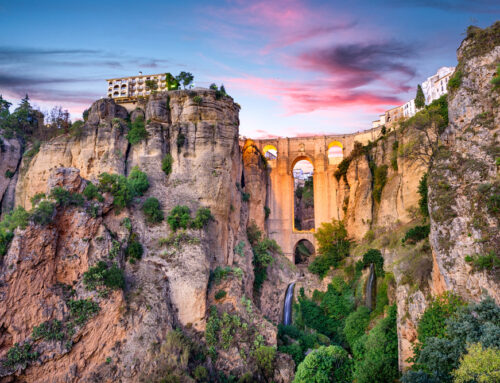
The historical charm of Cádiz is reminiscent in some aspects of that of Ronda Spain, famous for its weddings and traditional streets.
The Old Town and Its Charm
Historic Buildings and Streets
The old town of Cádiz is a maze of narrow streets adorned with colourful buildings that showcase various architectural styles, from baroque to neoclassical.
Major landmarks include the stunning Plaza de España, which houses the impressive City Hall, and the atmospheric Plaza de las Flores, a vibrant market square surrounded by charming cafes.
Historic buildings such as the Casa del Almirante and the Cathedral of Cádiz highlight the city’s architectural diversity.
The Casa del Almirante, a fine example of Renaissance architecture, features elaborate facades and intricate detailing that captivate visitors.
Preservation of the Past
The preservation of these historical structures is paramount to maintaining the character of Cádiz.
Initiatives aimed at restoring and protecting the architectural heritage ensure that the city retains its historical charm while adapting to modern needs.
This commitment to conservation is evident in the careful restoration of buildings throughout the old town.
Walking through these ancient streets provides insight into the city’s history, with plaques and signs offering context and stories behind each structure.
This attention to heritage fosters a sense of pride among the local community, enhancing their connection to the city’s cultural legacy.
Iconic Landmarks
The Tavira Tower
One of the most significant landmarks in Cádiz is the Tavira Tower, which stands tall at the highest point in the old town.
Originally constructed in the 18th century, it served as a watchtower for merchant ships entering the harbour.
Today, it is renowned for its impressive views over the city and its unique camera obscura, which offers a fascinating perspective on the bustling life below.
The tower stands as a symbol of the city’s maritime history and provides a remarkable vantage point for visitors to appreciate the layout and beauty of Cádiz.
The experience of ascending the tower and witnessing the panoramic views is a highlight for many who visit.
The Grand Theatre of Falla
The Grand Theatre of Falla, an iconic cultural venue, showcases the city’s commitment to the arts. Built in the early 20th century, its striking neomudéjar architecture is complemented by intricate ceramic tiles and dramatic arches.
The theatre is not only a stunning example of architectural brilliance but also hosts a variety of events, including concerts and the renowned Carnival performances.
Its significance to the local community is profound, acting as a hub for cultural activity. The theatre’s ornate facade and interior reflect the city’s artistic heritage and its dedication to preserving and promoting its cultural identity.
Cultural Vibrancy
The cultural vibrancy of Cádiz is evident in its rich linguistic heritage and lively celebrations.
This city, with its unique blend of historical influences, offers a captivating insight into the traditions that define the local community.
Language and Local Expressions
The language spoken in Cádiz is a reflection of its diverse history.
While Spanish is the official language, the region’s unique local expressions add colour and character to everyday conversations.
The Spanish Language Influence
Spanish has evolved in the city, absorbing influences from various cultures that have left their mark over the centuries.
This evolution has led to distinct vocabulary, idiomatic expressions, and phrases that resonate with locals and visitors alike.
Unique Gaditano Dialect
The Gaditano dialect is particularly noteworthy.
Known for its melodic intonations and playful use of words, it captures the essence of the city’s inhabitants.
Locals often employ humour and idioms that may not be readily understood by those from outside the region, making conversations both entertaining and intriguing.
Festivals and Traditions
Festivals are an integral part of life in Cádiz, showcasing its cultural richness and community spirit.
Many events reflect the city’s historical roots and vibrant social atmosphere.
The Famous Carnival
The Carnival of Cádiz is one of the most famous festivities in Spain, attracting visitors from all over the world.
This lively event features extravagant parades, elaborate costumes, and street performances that bring the city to life.
Music, particularly chirigotas—satirical groups singing humorous songs—plays a pivotal role, illustrating local issues with wit and creativity.
San Juan Celebrations
The celebration of San Juan, held annually on the night of 23rd June, marks the arrival of summer.
Locals gather on the beaches to celebrate with bonfires, music, and tapas.
People often jump over the fires as a tradition to cleanse themselves of misfortunes, while the event creates a joyous atmosphere filled with laughter and camaraderie.
Gastronomy of Cádiz
The gastronomy of Cádiz is a vibrant reflection of its coastal heritage and cultural influences.
Known for its abundance of fresh seafood and traditional recipes, the cuisine is rich in flavour and history.
This section delves into the culinary specialties and dining experiences that define this charming city.
The gastronomy of Cádiz is influenced by Mediterranean cuisine, similar to that of Alicante, with dishes such as arroz a la marinera and fried fish.
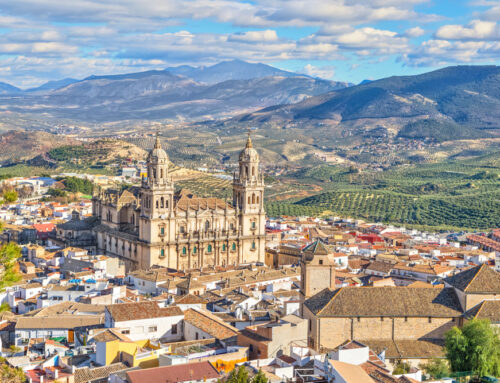
Many traditional dishes use olive oil from provinces like Jaén Spain.
Culinary Specialties
Seafood and Fish Dishes
Cádiz is renowned for its exceptional seafood, owing to its prime location along the Atlantic coast.
The local fishermen bring in daily catches that are quickly transformed into delightful dishes.
Fresh fish is a staple in many local recipes, often grilled or fried to perfection.
- Fried Fish: The signature dish of Cádiz, known as pescaíto frito, features an assortment of small fish fried in olive oil, creating a crispy exterior while retaining its tender and juicy interior.
- Atún de Almadraba: This unique yellowfin tuna, caught using traditional techniques, is celebrated for its exceptional quality. Its preparation varies from conservation in olive oil to being served raw as part of a tataki.
- Grilled Sardines: Sardines are frequently skewered and grilled over open flames, offering a smoky flavour that pairs beautifully with a squeeze of lemon.
Tortilla de Camarones
This iconic dish is a delightful example of the region’s culinary creativity.
The tortilla de camarones is a thin, crispy fritter made primarily from chickpea flour, mixed with tiny shrimp and seasoned with spices. Served hot, it boasts a unique texture and a delicious maritime aroma, making it a popular choice among locals and visitors alike.
Traditional Dining Experiences
Local Markets and Cuisine
The heart of Cádiz’s culinary experience can be found within its bustling local markets.
These vibrant spaces are filled with stalls offering the freshest seafood, seasonal fruits, and vegetables.
Visitors can enjoy the lively atmosphere while sampling local delicacies.
- Mercado Central de Abastos: This central market is a must-visit for anyone wanting to encounter the local food scene. It showcases a variety of stalls where vendors sell fresh seafood, meats, and artisanal products.
- Tasting Fresh Delights: Many vendors offer small tastings, allowing visitors to experience local flavours and specialities like cured fish and homemade preserves.
Yours Free
Please click / tap on the image below:
Popular Cafés and Eateries
The cafés and eateries in Cádiz reflect the city’s inviting atmosphere and culinary diversity.
Establishments range from traditional tavernas to modern dining spots, each offering unique experiences.
- Casa Manteca: A traditional tapas bar that pays homage to the region’s culinary roots. Known for its classic tapas and delightful ambience, it serves dishes like montaditos and marinated fish.
- Bar La Dama: Famous for its vibrant settings and freshly prepared seafood tapas, this bar is a popular stop for both locals and tourists seeking a genuine taste of Cádiz.
Beaches of Cádiz
Cádiz boasts a stunning array of beaches, each offering unique characteristics and attractions.
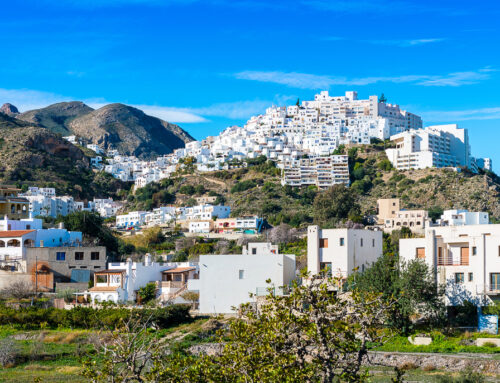
Like Mojácar Spain, Cádiz combines history, culture and an attractive coastal atmosphere.
From tranquil coves to lively stretches of sand, the coastal landscape of Cádiz is diverse, catering to sun-seekers, water sports enthusiasts, and those looking for a peaceful retreat.
Top Beaches to Explore
La Caleta Beach
La Caleta Beach is perhaps the most iconic beach in Cádiz, renowned for its picturesque setting and scenic views.
Nestled between the historic castle of San Sebastián and the Castillo de la Santa Catalina, this charming beach offers a perfect blend of relaxation and culture.
The gentle waves and golden sands make it an ideal spot for sunbathing and swimming.
Throughout the summer months, La Caleta becomes a vibrant hub for locals and visitors alike.
The beach is also a popular location for capturing stunning sunset photographs, providing a romantic backdrop that enchants many.
Playa de la Victoria
Playa de la Victoria is another must-visit beach, stretching over three kilometres along the coast.
Known for its spaciousness and lively atmosphere, it is the favoured spot for both families and young people.
The beach is equipped with various amenities, including beach bars, restaurants, and sun loungers, making it a convenient choice for a full day by the sea.
The promenade that runs alongside Playa de la Victoria is lined with cafes and eateries, perfect for enjoying local seafood or a refreshing drink after a long day in the sun.
Additionally, the clear waters are ideal for water sports, with opportunities for windsurfing and paddleboarding readily available.
Activities and Attractions
Water Sports and Recreation
Cádiz’s beaches offer a plethora of activities for the adventurous.
With the warm Atlantic waters and consistent winds, water sports are exceptionally popular.
Various companies rent equipment and provide lessons in activities such as:
- Windsurfing
- Kitesurfing
- Snorkelling
- Paddleboarding
The presence of local instructors ensures that beginners can learn in a safe environment while more experienced individuals can refine their skills.
Many beaches also host regular competitions, bringing excitement to the local scene.
Relaxation Spots by the Sea
For those seeking relaxation, Cádiz’s beaches provide tranquil spaces to unwind.
Shaded areas under palm trees offer respite from the sun, while beach clubs invite visitors to lounge on comfortable sunbeds.
The soft sound of the waves creates a soothing backdrop, perfect for reading a book or enjoying a leisurely afternoon.
The nearby promenades, where people stroll or cycle, add to the laid-back vibe.
These paths often feature benches and small parks, enabling visitors to take a break and appreciate views of the shimmering ocean.
The combination of natural beauty and comfortable facilities ensures that visitors can enjoy leisurely days by the sea.
Accommodation and Hotels
Cádiz offers a variety of accommodation options, catering to different preferences and budgets.
From charming historic hotels in the heart of the old town to modern establishments with contemporary comforts, there is something for everyone.
The choice of staying in Cadiz Spain greatly enhances the overall experience of this vibrant city.
Best Areas to Stay
Old Town Charm
The Old Town of Cádiz is renowned for its picturesque streets, rich history, and stunning architecture.
Staying in this area provides visitors with immediate access to the city’s key attractions, including ancient plazas and historic landmarks.
Boutique hotels and guesthouses in the Old Town often feature traditional décor that reflects the city’s cultural heritage.
Modern Comforts
For those seeking a more contemporary experience, various hotels and apartments outside the Old Town offer modern amenities.
This area is ideal for families or travellers who prefer more spacious accommodations with facilities such as pools, gyms, and onsite dining.
These modern establishments often provide easy access to the city’s beaches and commercial areas.
Transport and Accessibility
Cádiz offers a variety of transport methods that enable easy access to the city and efficient navigation within it.
Whether arriving by train, road, or exploring on foot, there are numerous options to consider.
Reaching Cádiz

By Train and Road
Cádiz is well-connected by both train and road networks, making it accessible from various locations in Spain.
The train service, operated primarily by Renfe, provides regular connections from major cities, including Seville and Málaga Spain.
The journey from Seville takes approximately one and a half hours, allowing for a comfortable and scenic trip.
For those choosing to drive, Cadiz Spain is linked by the A-4 motorway, which connects to the national road network.
This route offers picturesque scenery as it approaches the city, and there are ample parking options available both on the street and in dedicated car parks.
Connections from Seville
The proximity of Seville Spain, located about 120 kilometres away, makes it a popular starting point for visitors heading to Cádiz.
There are multiple options for transport:
- Train services run frequently, providing quick and direct journeys.
- Long-distance buses operate regular routes with a journey time similar to that of the train.
- Car rentals are available in Seville, offering the flexibility to explore at one’s own pace.
Getting Around the City
Public Transport Options
Once in Cadiz Spain, public transport offers a convenient way to navigate the city.
The bus service is reliable, connecting key areas such as the Old Town with more distant neighbourhoods.
Frequency is generally good, especially during peak tourist seasons.
For those looking to explore more leisurely, taxis are readily available throughout the city, providing quick travel options without the need for public transport schedules.
Walking and Cycling Routes
Cádiz is known for its compact size, making it an ideal city for pedestrians.
Most attractions are within walking distance, allowing visitors to enjoy the charming streets and historic architecture up close.
The flat terrain facilitates easy mobility for all ages.
For cyclists, Cádiz offers several cycling routes in and around the city.
Bike rentals are widely available, encouraging exploration of the scenic coastal paths and quieter residential streets.
Demographics and Social Life
The social landscape of Cádiz reflects a rich blend of cultures and traditions shaped by its extensive history.
The population exhibits a diverse demographic makeup, characterised by a vibrant local community and a lively social scene.
Population Density and Diversity
Cádiz has a relatively compact population density, fostering a close-knit community atmosphere.
This setting encourages interaction among residents, contributing to the city’s welcoming environment.
Cultural Makeup
The cultural diversity in Cádiz is a result of its historical significance as a trading port.
Over the centuries, various cultures have influenced the local populace, including Phoenicians, Romans, Moors, and Christians.
This mixture creates a unique cultural tapestry seen in the city’s festivals, cuisine, and local customs.
Modern Cádiz continues to embrace this diversity, with residents originating from numerous backgrounds.
The integration of different cultural aspects enriches the social fabric, leading to vibrant expressions through art, gastronomy, and community initiatives.
Local Community Initiatives
The sense of community in Cádiz is strong, with numerous local initiatives aimed at promoting social cohesion.
Various non-profit organisations and grassroots movements work diligently to enhance the quality of life for residents.
These initiatives often focus on issues such as sustainability, cultural preservation, and social welfare.
Community projects also aim to foster inclusivity, offering support and resources to underrepresented groups within the city.
Festivals and local events often serve as platforms for celebrating this diversity, highlighting the collective identity of Cádiz.
Social Activities and Nightlife
Cádiz boasts a lively social life, with a plethora of activities catered to both locals and visitors.
The city is synonymous with its vibrant nightlife, which pulsates with energy as the sun sets.
Popular Night Spots
- Pubs and bars in the old town attract a mix of patrons, where locals enjoy a night out in a convivial atmosphere.
- Tapas bars offer not only delicious cuisine but also serve as social hubs where friends gather to converse and unwind.
- Live music venues, often featuring flamenco performances, provide a taste of the region’s traditional sounds.
Cultural Venues and Events
Cádiz is rich in cultural venues, including theatres, galleries, and art centres that showcase local talent.
The Grand Theatre of Falla stands out as a key landmark for dramatic performances and music festivals.
Throughout the year, the city hosts numerous events, many tied to longstanding traditions.
The famous Carnival of Cádiz, for instance, draws large crowds with its extravagant costumes, parades, and lively street performances.
Other cultural celebrations, such as San Juan, feature unique rituals that connect locals to their heritage.
This vibrant cultural life not only fosters a strong sense of local identity but also attracts tourists, further enriching the social dynamics of the city.
Sustainable Initiatives
Cádiz is increasingly embracing sustainable practices to protect its unique environment and promote responsible tourism.
Various efforts are underway to create a balance between development and ecological preservation.
Environmental Efforts
Protecting Natural Areas
Efforts to safeguard natural areas in and around Cádiz are paramount.
The city is home to several protected zones that aim to conserve local flora and fauna.
These areas are cherished for their ecological importance and serve as crucial habitats for numerous species.
- Areas such as the La Bahía de Cádiz Natural Park provide a sanctuary for migratory birds and diverse marine life.
- There are initiatives that focus on restoration projects to rehabilitate damaged ecosystems, ensuring future generations can enjoy these natural treasures.
- Community involvement plays a significant role, as local residents participate in clean-up campaigns and restoration activities to foster a sense of stewardship.
Promoting Eco-Friendly Tourism
To encourage visitors to adopt more sustainable behaviours, Cádiz is promoting eco-friendly tourism practices.
This initiative includes a variety of strategies:
- Emphasising the importance of using public transport and bicycles for exploring the city, reducing reliance on cars.
- Encouraging tourism activities that are environmentally sustainable, such as guided nature walks and eco tours that highlight the region’s natural beauty.
- Partnering with local businesses to provide eco-friendly accommodation options, thus enabling travellers to make responsible choices during their stay.
Community Projects
Local Sustainability Practices
The residents of Cádiz are actively engaged in implementing sustainability practices through various community projects.
These initiatives reflect the city’s commitment to fostering a more sustainable future.
- Community gardens have been established to promote local food production and biodiversity. These spaces not only provide fresh produce but also enhance community bonds.
- Educational programmes are being conducted in schools to raise awareness about environmental conservation, ensuring that younger generations are equipped with the knowledge of sustainable practices.
- Local artists and craftsmen are encouraged to use recycled materials in their work, further integrating sustainability into the city’s cultural landscape.
Future Plans for Green Tourism
Looking ahead, Cádiz is committed to expanding its green tourism initiatives.
Planned projects aim to further position the city as a model of sustainable development.
- Future investments are being directed towards enhancing public transport networks, making it easier and more appealing for visitors to use eco-friendly travel options.
- There are plans to develop more eco-friendly attractions that showcase the region’s natural beauty while educating visitors about conservation efforts.
- The creation of a certification programme for businesses that meet strict environmental standards, encouraging more establishments to adopt sustainable practices.
Yours Free
Please click / tap on the image below:
If you would like to read about other important points for living / moving to Spain, here are other useful articles we wrote: