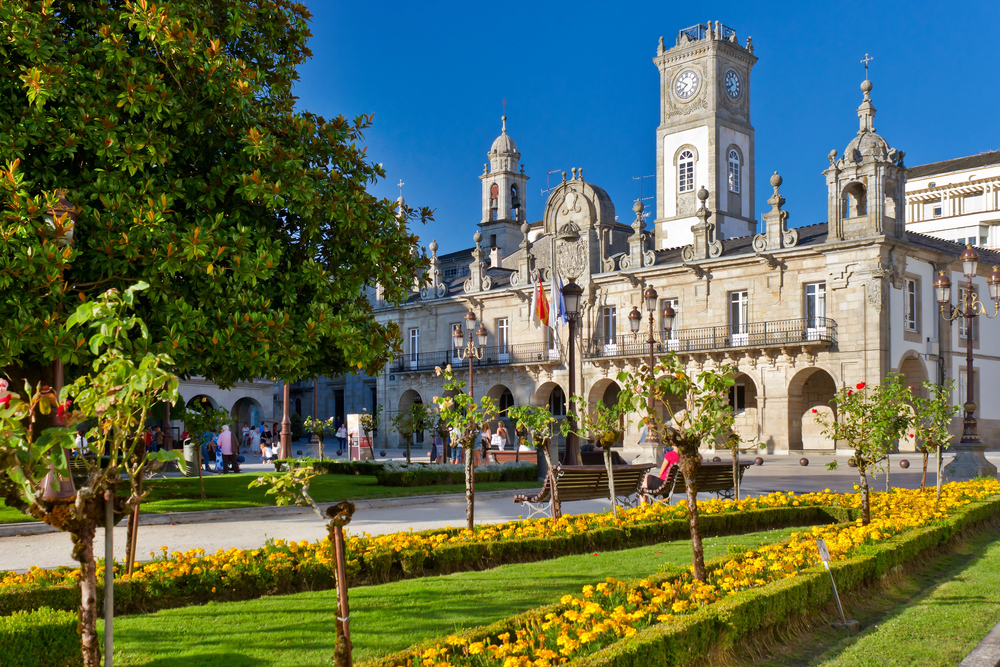
Lugo Spain is a historic city located in the north-west of Spain, within the autonomous community of Galicia.
It’s around 113km away from Ourense Spain.
Known for its rich Roman heritage, it offers a glimpse into the past through its well-preserved architecture and monuments.
The city is home to significant sites such as the Roman walls, which are a UNESCO World Heritage Site, and the impressive cathedral.
These landmarks reflect Lugo’s importance throughout history and continue to attract visitors today.

Before we start… Yours Free
Please click / tap on the image below:

Exploring Lugo Spain: A Historic City
With a rich tapestry of history, Lugo stands as a testament to ancient civilisations and their legacies.
The Origins of Lucus Augusti
Lugo’s origins trace back to the Roman era when it was known as Lucus Augusti, established in 13 BC.
This city served as a vital military camp during the Roman Empire’s expansion.
Its strategic location made it a significant administrative centre, facilitating trade and interaction within the province of Hispania Tarraconensis.
As a Roman settlement, Lugo Spain was not just a military stronghold but grew into a vibrant community, reflecting the architectural and cultural influences of the time.
Lugo’s Role in the Roman Empire
During the height of the Roman Empire, Lugo played an essential role due to its geographical position.
It functioned as a crossroads, linking various trade routes between present-day Portugal and central Spain.
The city became a hub for commerce, benefitting from the rich resources of the surrounding region, particularly its gold mines.
Lugo’s importance was further emphasised by its fortifications and the presence of public buildings, ensuring its status within the empire.
Lugo Through the Middle Ages
In the Medieval period, Lugo Spain continued to thrive as a significant centre of religion and culture.
Following the fall of the Roman Empire, it witnessed various conquests, including those by the Suebi.
Despite these challenges, the city maintained its prominence, particularly during the reign of King Alfonso III, who reconquered it in the 10th century.
The construction of the Cathedral of Lugo Spain during this era showcased a blend of architectural styles, symbolising the city’s religious significance.
Additionally, Lugo became an important stop on the Camino de Santiago, attracting pilgrims and contributing to its cultural richness.
The Architectural Heritage of Lugo
Lugo boasts a remarkable architectural heritage, reflecting its rich history and cultural significance.
Its structures embody various historical periods, showcasing the city’s evolution from Roman times through the Middle Ages.
The Roman Walls: A World Heritage Site
The Roman walls of Lugo Spain are among the best-preserved examples of military architecture in Europe.
Constructed in the 3rd century, these walls stretch approximately 2.1 kilometres in length and stand at a height of 10 to 15 metres.
A unique characteristic of the walls is the inclusion of 71 towers and 10 gates, which served both defensive and symbolic purposes.
In 2000, these fortifications were designated as a UNESCO World Heritage Site.
The walls not only tell the story of Lugo’s fortifications but also provide a scenic promenade, where visitors can enjoy panoramic views of the city and its surroundings.
They stand as a testament to the engineering prowess of the Romans and continue to be a focal point of the city’s cultural identity.
The Cathedral and Its Legacy
The Cathedral of Lugo Spain, known as the Catedral de Santa María, is another significant architectural landmark.
Its construction began in 1129, combining several architectural styles, including Romanesque, Gothic, Baroque, and Neoclassical.
The soaring spires and intricate details reflect the artistic evolution of the region.
The cathedral is not only a place of worship but also houses revered artifacts and artworks, which attract both pilgrims and tourists.
The impressive façade, with its elaborate carvings, and the stunning interior, complete with ornate chapels, provide visitors with a glimpse into the religious devotion that has characterised Lugo throughout the centuries.
The Roman Bridge Over the Miño River
The Roman bridge, known as the Puente Romano, is an iconic structure connecting the two banks of the Miño River.
It demonstrates the advanced Roman engineering techniques and features several arches that span the river.
Dating back to the 1st century, the bridge has undergone various restorations over the years, yet it still retains its ancient charm.
This bridge serves not only as a functional crossing but also as a historical landmark.
Its picturesque setting makes it a popular spot for photography and leisurely walks along the river.
The bridge stands as a symbol of Lugo’s enduring legacy and historical significance in the region.
Understanding Lugo’s Geography
The geography of Lugo Spain plays a crucial role in shaping its identity and environment.
Pontevedra Spain is around 165km away from Lugo.
The city’s strategic location amidst natural landscapes and waterways contributes significantly to its character.
Location and Significance of the Miño River
The Miño River is one of the principal waterways in the region, acting as a natural boundary and an essential resource for both the city and its surroundings.
Flowing through Lugo, the river provides stunning vistas and recreational opportunities.
This river not only serves as a natural divide but also supports local agriculture and wildlife.
It creates unique habitats along its banks, fostering biodiversity.
The Miño is also significant historically, having been a vital transportation route during ancient times, facilitating trade and movement within the area.
The Municipality and its Surrounding Areas
Lugo’s municipality covers an expansive area of 329.78 square kilometres, making it the second largest municipality in Galicia Spain.
The city itself lies at an elevation of 465 metres above sea level, with the Miño River located at a lower altitude, creating a varied topography.
The municipality encompasses a diverse landscape that includes hills, valleys, and cultivated lands.
Notable neighbourhoods and villages within the municipality include:
- O Burgo, known for its residential areas and local markets.
- Adai, where one can find picturesque rural scenes.
- Mazoi, a village rich in agricultural activity.
This geographic diversity contributes to Lugo’s vibrant culture and economy, supporting both traditional agriculture and modern development.
The stunning natural surroundings create opportunities for outdoor activities such as hiking, fishing, and exploring.
The combination of natural features and human activity reflects the harmony between Lugo’s rich history and its present-day vibrancy.
Climate in Lugo: What to Expect
The climate in Lugo Spain is characterised by its oceanic influences, resulting in mild temperatures and substantial rainfall throughout the year, as in La Coruna Spain.
Visitors will find that understanding the seasonal variations can enhance their experience of this historic city.
Seasonal Weather Patterns
Lugo experiences distinct seasons, each with its own unique weather patterns:
- Spring (March to May): Spring in Lugo Spain brings a gradual warming, with average temperatures ranging from 10°C to 17°C. Rainfall is common, making it a lush season, ideal for blooming flora.
- Summer (June to August): Summers can get quite warm, with temperatures often rising between 20°C and 30°C. The month of August may witness heatwaves, but evenings tend to cool significantly. Rainfall decreases during this time, allowing for more sunny days.
- Autumn (September to November): Autumn is mild, with temperatures dropping to between 15°C and 22°C in September, gradually decreasing further. This season sees increased rainfall, particularly in October, which is often one of the wettest months.
- Winter (December to February): Winters are generally cold, with temperatures falling between 0°C and 10°C. Snow is not uncommon, particularly in January, providing a picturesque setting, albeit with chilly weather conditions.
Best Times to Visit
The optimal times to visit Lugo Spain depend largely on personal preferences regarding weather and activities:
- Spring: This season is recommended for those who appreciate nature, as parks and gardens are in full bloom.
- Summer: Ideal for outdoor activities and festivals. Visitors can enjoy longer daylight hours and various cultural events.
- Autumn: A perfect choice for those wanting to witness the changing foliage and experience local harvest festivals, with mild temperatures.
- Winter: Suitable for those who enjoy tranquil atmospheres and festive celebrations, though it can be quite cold.
Yours Free
Please click / tap on the image below:
Accommodation in Lugo
Lugo offers a variety of accommodation options to suit different preferences and budgets.
From luxurious hotels to more budget-friendly hostels, visitors can find the perfect place to stay while exploring this charming city.
Types of Hotels Available
Accommodation in Lugo is diverse, catering to both luxury seekers and budget travellers.
The city boasts several types of hotels:
-
Luxury Hotels
For those desiring a lavish stay, Lugo Spain features high-end establishments that provide premium services.
These hotels often come with amenities such as fine dining restaurants, spas, and exquisite room designs, ensuring a comfortable experience.
-
Mid-range Hotels
Mid-range options offer a balance of comfort and affordability.
These hotels typically include modern facilities, and many are strategically located near major attractions, making them convenient for sightseeing.
-
Budget Accommodation
There are also several hostels and budget hotels available, ideal for travellers on a tight budget.
These accommodations often provide basic amenities and a friendly atmosphere, attracting a younger demographic.
-
Guesthouses and B&Bs
For those seeking a more homely environment, guesthouses and bed-and-breakfasts are popular.
They usually offer personalised service and local flavours, giving guests a unique insight into the culture of Lugo Spain.
Booking and Travel Tips
Securing accommodation in Lugo Spain can be straightforward, but some tips can enhance the experience:
-
Book in Advance
During peak tourist seasons, it is advisable to book accommodation well in advance to avoid disappointment, as popular hotels tend to fill up quickly.
-
Check Reviews
Reading reviews and testimonials online can provide valuable insights into the quality of service and amenities offered by hotels.
-
Location Considerations
Choosing accommodation close to key attractions can save time and enhance the overall experience.
Staying centrally allows for easy access to the city’s rich history and vibrant culture.
-
Consider Off-Peak Travel
Visiting Lugo during the off-peak season could lead to better rates and a more tranquil experience, allowing visitors to enjoy the city without the crowds.
Navigating Lugo: Maps and Guides
For those exploring Lugo Spain, understanding the layout and key attractions is essential.
The city offers a range of maps and guides that facilitate discovery, ensuring visitors can make the most of their experience.

Key Landmarks and Attractions
Lugo Spain is rich in historical and cultural sites that span its Roman and medieval past.
Some must-visit landmarks include:
- Roman Walls: A UNESCO World Heritage site, these ancient fortifications encircle the city and are remarkably well-preserved.
- Catedral de Lugo: An impressive cathedral showcasing various architectural styles, from Romanesque to Baroque.
- Roman Bridge: Spanning the Miño River, this bridge is a testament to Roman engineering and provides scenic views.
- City Parks: Lugo boasts several parks such as Parque Rosalía de Castro, perfect for a relaxing stroll.
Walking Routes Along the Top of the Walls
One of the most popular activities in Lugo Spain is walking along the top of the Roman walls.
This promenade provides fantastic panoramic views of the city and surrounding landscapes.
The route is approximately 2.1 kilometres long and is accessible from various points, where visitors can ascend to the walls.
Key access points include:
- Puerta de San Pedro: An impressive entrance leading to the walls, often bustling with tourists.
- Puerta de la Luna: This gateway features striking architectural details and offers great city views.
- Interpretive Panels: Along the walls, informative panels detail the history and construction of these fortifications.
Walking the walls offers a unique perspective of Lugo’s urban landscape, blending historical context with stunning vistas.
Cultural Insights and Events
Lugo’s cultural landscape is vibrant and diverse, shaped by its rich history and traditions.
The city hosts various festivals and showcases a unique gastronomy that reflects its Galician roots.
Festivals and Traditions
Throughout the year, Lugo Spain organizes a variety of festivals that celebrate its culture and community.
One of the most notable events is the Arde Lucus, a Roman-themed festival held in June.
This event recreates the ancient Roman history of Lugo with street performances, parades, and traditional Roman markets.
Locals and visitors alike indulge in the spirit of the time, donning historical costumes and recreating Roman customs.
Another significant celebration is the Fiesta de San Froilán, held in October, which honours the patron saint of the city.
This festival is marked by lively activities, including traditional music, dance, and a local fair where visitors can sample a variety of dishes.
It serves as a gathering point for families and friends, contributing to a warm, community-focused atmosphere.
- Arde Lucus – Roman-themed festivities in June.
- Fiesta de San Froilán – Celebrated in October with music and local fairs.
- Semana Santa – A rich tradition where religious processions take place during Holy Week.
Gastronomy and Local Cuisine
The culinary scene in Lugo Spain is deeply intertwined with its cultural identity.
Local specialties include pulpo a la gallega (Galician-style octopus), which is often served with paprika and olive oil.
This dish exemplifies the region’s maritime heritage and is a staple during many celebrations.
Cheeses and cured meats also play a vital role in Lugo’s gastronomy.
The region is well-known for its exquisite cheeses, including Queso de San Simón, with its distinctive smoky flavour.
Coupled with local wines, particularly those from the Ribeira Sacra region, these delights create a robust culinary experience.
- Pulpo a la gallega – A traditional dish celebrating local seafood.
- Queso de San Simón – Notable for its unique flavour and quality.
- Traditional wines from Ribeira Sacra – Known for their exceptional quality.
Frequently Asked Questions
This section addresses common queries regarding visiting Lugo, Spain, and delves into its historical context and myths.
Visitor Information and Travel Tips
When planning a visit to Lugo Spain, several key factors can enhance the experience.
Understanding local transport options, accommodation types, and popular attractions are vital.
Public transport is generally reliable, with buses connecting the city to nearby towns.
Here are some useful travel tips:
- Best Time to Visit: The ideal times are late spring (April to June) and early autumn (September to October). During these periods, the weather is typically mild, making it suitable for sightseeing.
- Local Cuisine: Sampling local dishes, such as pulpo a la gallega and artisan cheeses, is highly recommended. These culinary delights represent the region’s rich gastronomy.
- Language: While Spanish is the primary language, many locals also speak Galician. A few basic phrases in either language can be helpful.
- Cash/Card Usage: Many establishments accept credit cards, but carrying some cash is advisable for smaller venues and local markets.
Historical Queries and Common Myths
Several myths and misconceptions surround the history of Lugo. Understanding these can foster a deeper appreciation of the city’s heritage.
- The Roman Walls: A common myth suggests they are entirely intact. While they are exceptionally preserved, sections have been reconstructed over the centuries.
- Saints and Pilgrimages: Many believe Lugo Spain is solely a stop on the Camino de Santiago. However, it has a rich religious history beyond this famous pilgrimage.
- Local Legends: Tales of enchanted beings and historical figures abound in Lugo. These stories contribute to the city’s charm and showcase its folklore.
Overall, Lugo’s intriguing blend of history and myth makes it a fascinating destination worth exploring.
Yours Free
Please click / tap on the image below:
If you would like to read about other important points for living / moving to Spain, here are other useful articles we wrote: