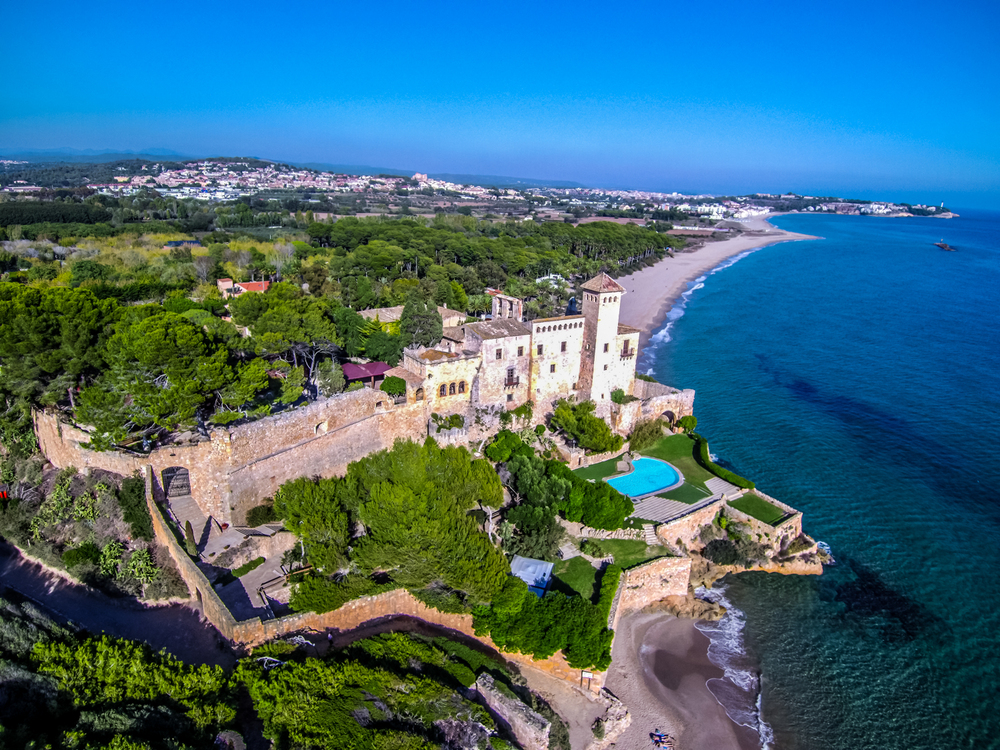
Tarragona is a historic city located on the Mediterranean coast of Spain.
Known for its rich Roman heritage, it played a vital role in ancient times as the capital of the province of Hispania Tarraconensis.
Today, Tarragona offers a blend of architectural marvels, beautiful beaches, and vibrant cultural experiences.
The city attracts visitors with its unique history and modern amenities, making it a fascinating destination in Catalonia Spain.
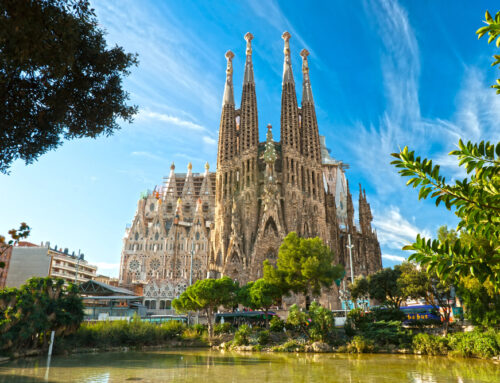
Discover the charming city of Tarragona, located just a short distance from Barcelona Spain, where history and modernity intertwine.

Before we start… Yours Free
Please click / tap on the image below:

Exploring Tarragona, Spain
Tarragona is a city steeped in history, where every street and stone tells a tale of its rich past.
From its origins to its evolution during the Roman Empire, exploring Tarragona reveals layers of cultural heritage waiting to be discovered.
The Historical Roots
The origins of Tarragona can be traced back to ancient times when it was known as a settlement of the Iberian tribe, the Cossetans.
Archaeological findings suggest that the area was inhabited long before recorded history, with evidence of various cultures establishing themselves here.
The city’s strategic coastal position attracted the Phoenicians, who named it Tarchon, indicating its significance as a trading post.
As subsequent civilizations arrived, including the Romans, the landscape of Tarragona began to transform, evolving into a significant urban centre.
The Rise of Roman Tarraco
Under Roman rule, Tarragona Spain, then known as Tarraco, flourished dramatically.
Established as a colony during the Republic, it became a pivotal city in the Roman Empire, acting as the capital of Hispania Tarraconensis.
This period witnessed extensive investment in infrastructure, including temples, theatres, and impressive fortifications.
The remnants of Roman architecture can still be observed today, showcasing the city’s former grandeur.
- Key developments during this period included:
- The construction of the Roman amphitheatre, where gladiatorial contests took place.
- The establishment of expansive forums and villas that displayed the opulence of the era.
- Fortifications that served both military and civilian purposes, marking Tarraco as a vital point of defence against invasions.
Historians often describe Tarraco as one of the wealthiest cities in the empire, boasting a vibrant economy and cultural richness.
Influential figures, including Roman generals, came to inhabit this thriving metropolis, further embedding its significance in the annals of history.
After the Roman Empire: The Transformation
The collapse of the Roman Empire heralded an era of uncertainty for Tarragona.
The city experienced a series of invasions, first by the Vandals and later by the Visigoths, which transformed its urban landscape significantly.
Each successive wave added new cultural layers, influencing the architectural style and social fabric of the community.
By the early Middle Ages, Tarragona had shifted from a bustling Roman hub to a fortified centre unable to reclaim its former glory.
The Muslim conquest in 714 brought a renewed period of transformation.
Tarragona became an essential city within the Caliphate of Cordoba, fostering economic prosperity once again.
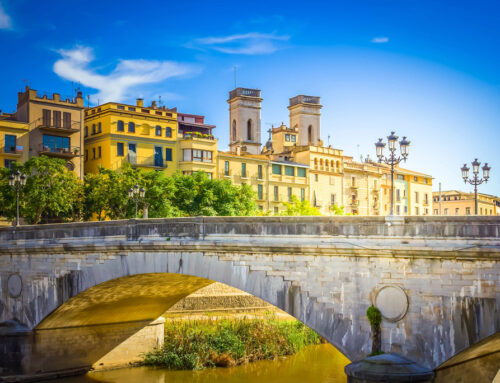
Tarragona, with its Roman legacy and impressive medieval architecture, is a perfect destination to explore from Girona Spain.
This era introduced innovative agricultural practices and the construction of beautiful mosques, blending Islamic architecture with the remnants of Roman structures.
- The Christian reconquest in the 12th century marked yet another significant change, leading to:
- The repurposing of existing structures for Christian worship, including the Roman cathedral.
- An influx of Christian settlers, which began to reshape the city’s demographics and culture.
- Continued development and fortification to protect against future invasions, solidifying Tarragona’s position in the Kingdom of Aragon.
Throughout the centuries, Tarragona’s ability to adapt to changing circumstances has allowed it to preserve its rich heritage, making the city a living testament to its multifaceted history.
The layers of its past are still evident today, from the ruins that dot the landscape to the traditions that shape its modern identity.
Each exploration of Tarragona Spain reveals stories of resilience and transformation, offering a glimpse into the lives of those who once called this city home.
Architectural and Archaeological Marvels
Tarragona is renowned for its remarkable architectural and archaeological sites, reflecting the city’s rich historical narrative.
Its ancient monuments are a testament to the grandeur of its past.
Particularly notable are the Roman structures, which continue to captivate visitors.
Roman Amphitheatre and Circus
The Roman Amphitheatre is one of Tarragona’s most iconic landmarks, dating back to the 2nd century AD.
This well-preserved structure was originally built to host gladiatorial games and public spectacles, accommodating thousands of spectators. Its strategic location, overlooking the sea, adds to its charm and historical significance.
The Significance Today
Today, the amphitheatre serves as a major tourist attraction, offering visitors a glimpse into the ancient civilisations that once thrived here. Interpretive panels and guided tours enhance the experience, allowing for a deeper understanding of its history and architecture.
The backdrop of the Mediterranean Sea provides an enchanting setting for photography and leisure, reinforcing its status as a cultural landmark.
The Cathedral of Tarragona
The Cathedral of Tarragona, a stunning example of Romanesque and Gothic architecture, dominates the city’s skyline.
Built atop the ruins of a Roman temple, it showcases the fusion of architectural styles that characterise Tarragona’s rich history.
Architectural Highlights
- The façade features intricate carvings and a prominent rose window, which serves as a focal point.
- Inside, the cathedral boasts a beautiful altar and choir, adorned with exquisite artworks that reflect the religious devotion of the era.
Historical Importance
The cathedral has been central to Tarragona’s ecclesiastical life for centuries. It stands as a monument to the city’s transition from a Roman stronghold to a significant religious centre during the Middle Ages.
Its continual role in local and regional religious activities underscores its pertinence in Tarragona’s cultural landscape.
The Archaeological Ensemble
The archaeological ensemble of Tarragona Spain encompasses a wealth of Roman ruins that tell the story of its past.
As one of the most important archaeological sites in Europe, it hosts a variety of structures that provide insights into daily life during the Roman Empire.
Key Sites of Interest
- The Circus remains show the scale and importance of chariot racing as a popular form of entertainment.
- The city’s ancient walls, including the Roman triumphal arch, demonstrate advanced engineering and military strategies of the time.
- Mosaics found in various sites reveal the artistic talents of local artisans and provide a window into everyday life in ancient Tarragona.
Experiencing Tarragona’s Beaches
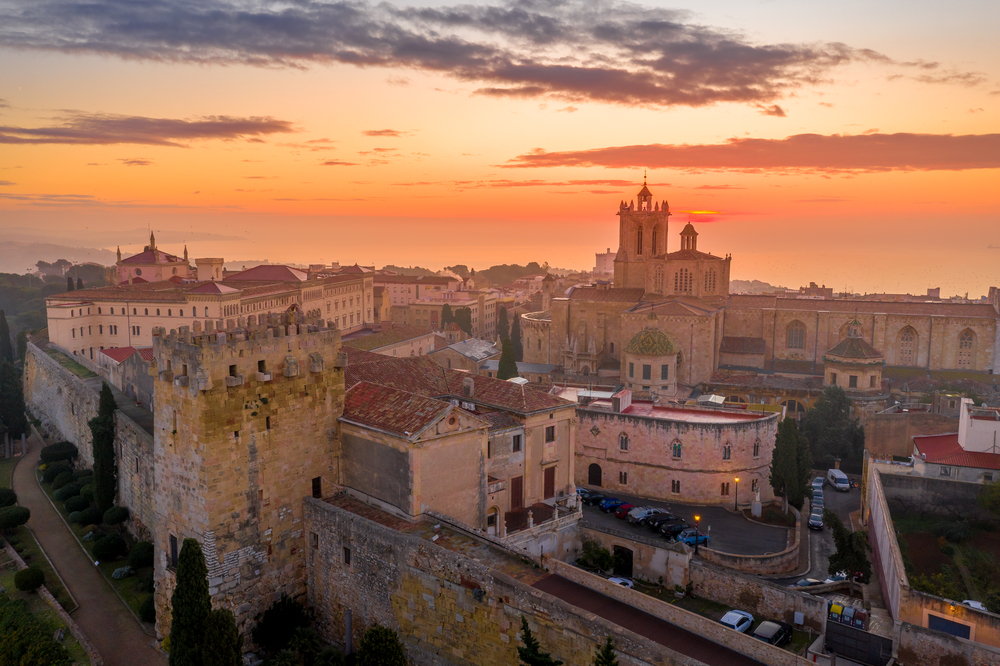
Tarragona is blessed with stunning beaches that offer a perfect blend of relaxation, recreation, and natural beauty.
Each beach possesses its own unique charm and allure, catering to different preferences for sun-seekers and water enthusiasts.
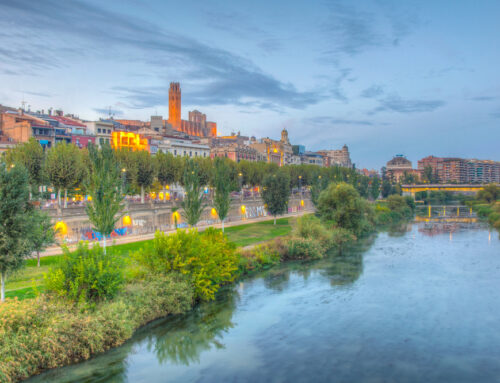
Although not coastal, the city of Lleida Spain also stands out in the region for its natural surroundings and its proximity to inland landscapes ideal for outdoor activities.
Main Beaches to Visit
The coast of Tarragona is lined with several beautiful beaches. Among the most popular are:
- Playa de la Arrabassada: This beach, known for its golden sands and clear waters, is ideal for families. It features various amenities and is easily accessible.
- Playa del Miracle: Located near the city centre, this lively beach is popular with both locals and tourists. Its vibrant atmosphere is complemented by a variety of restaurants and bars along the promenade.
- Playa de Cala Fonda: A hidden gem, Cala Fonda is less crowded and offers a more tranquil experience. Set against a backdrop of rugged cliffs, it’s perfect for those looking to escape the hustle and bustle.
- Playa de la Savinosa: This beach provides a more secluded environment, surrounded by nature. It’s a great spot for sunbathing while enjoying a peaceful setting.
Activities and Attractions
Tarragona’s beaches are not just for lounging; they offer a plethora of activities suited for all ages and interests. Visitors can engage in:
- Water Sports: From paddleboarding to kayaking and jet skiing, there are plenty of options for adventure enthusiasts.
- Beach Volleyball: Many beaches have courts available for a friendly game, encouraging social interaction and physical activity.
- Snorkelling and Scuba Diving: The marine life around Tarragona’s shores is rich. Beginners and experienced divers alike can explore the underwater beauty.
- Sunset Watching: The beaches provide stunning views during sunset, creating a perfect romantic spot for couples or a serene experience for those seeking quiet moments.
Local Amenities and Services
The beaches of Tarragona Spain are well-equipped with various amenities to ensure a comfortable visit. Facilities usually include:
- Sun Loungers and Umbrellas: Many beaches offer the option to rent loungers and umbrellas, allowing for an enjoyable day under the sun.
- Public Showers and Toilets: Clean, accessible restrooms and showers are available to help maintain comfort and hygiene.
- Beach Bars and Restaurants: A variety of dining options line the beachfront, serving local dishes and refreshing drinks, allowing for a convenient meal right by the sea.
- Lifeguards: Numerous beaches are staffed with lifeguards during the summer, ensuring safety for swimmers and beachgoers alike.
What to Do in Tarragona
Tarragona offers a rich tapestry of activities that cater to a variety of interests.
Visitors will find cultural events, fascinating museums, and delightful local dishes waiting to be explored.
Cultural Events and Festivals
The vibrant calendar of Tarragona is filled with events that reflect its rich history and cultural heritage.
The most notable festival is Tarraco Viva, which takes place each spring and pays homage to the Roman past of the city.
This event features historical reenactments, workshops, and educational activities that engage visitors of all ages.
Another significant event is the Santa Tecla Festival, celebrated in late September.
It includes parades, traditional dances, and the famous “castells,” which are human towers that showcase the strength and teamwork of the local community.
This festival beautifully encapsulates Tarragona’s cultural spirit.
Museums and Galleries
The city boasts an impressive array of museums and galleries that showcase its historical and artistic significance.
The National Archaeological Museum of Tarragona holds a remarkable collection of Roman artefacts, offering insights into the city’s ancient past.
Highlights include intricate mosaics, sculptures, and everyday objects from the period.
Another notable institution is the Modern Art Museum of Tarragona, where contemporary exhibitions feature local and international artists.
This museum often hosts workshops and guided tours, allowing visitors to engage with the artwork more deeply.
Local Cuisine and Where to Eat
The culinary scene in Tarragona Spain reflects its coastal location and rich agricultural traditions.
The city is famous for its seafood, particularly dishes that highlight the freshest catch from the Mediterranean.
Traditional Catalan Dishes
- Romesco Sauce: A distinctive blend of roasted peppers, almonds, garlic, and olive oil, typically served with fish or vegetables.
- Calcotada: A regional specialty featuring grilled calçots (a type of green onion) served with romesco sauce.
- Fideuà: A traditional Catalan dish made with thin noodles and various seafood, similar to paella.
Understanding Tarragona’s Mediterranean Climate
Tarragona’s climate is emblematic of the Mediterranean, characterised by warm summers and mild winters.
This weather pattern significantly influences the lifestyle and activities of its residents and visitors alike.
Seasonal Weather Patterns
The climate of Tarragona can be categorised into distinct seasons, each offering unique weather conditions.
- Spring (March to May): Springtime brings mild temperatures, typically ranging from 15°C to 25°C. This season is characterised by blooming flowers and longer daylight hours, making it an ideal time for outdoor activities.
- Summer (June to August): Summers are hot and can often exceed 30°C. The coastal breeze provides relief during the hottest days. This season is also marked by minimal rainfall, ideal for beachgoers and tourists exploring the ancient ruins.
- Autumn (September to November): Autumn heralds a gradual cooling, with temperatures dropping from 25°C in September to around 15°C by November. This time of year usually features beautiful foliage and a significant reduction in tourist crowds.
- Winter (December to February): Winters are mild, with temperatures rarely falling below 10°C. While it is the wettest season, Tarragona seldom experiences harsh weather, allowing for pleasant strolls along the promenade.
Yours Free
Please click / tap on the image below:
Best Times to Visit
The optimal times for visiting Tarragona depend on personal preferences for weather and activities.
- Spring (March to May): This is often considered one of the best seasons to visit due to its idyllic weather, perfect for sightseeing without the summer heat.
- Early Autumn (September to October): The early autumn months offer warm temperatures and less crowded attractions, creating a relaxed atmosphere for exploration.
Clothing and Packing Tips
When preparing for a trip to Tarragona Spain, suitable clothing can enhance the experience, considering the varying temperatures throughout the year.
- Spring: Light layers are advisable, with a light jacket for cooler evenings. Comfortable walking shoes are essential for exploring historical sites.
- Summer: Pack lightweight clothing, sunblock, hats, and swimwear for beach days. Evening temperatures can still be warm, so light layers may be useful.
- Autumn: Autumn attire should include long-sleeved shirts and light jackets, especially for evening outings. Good walking shoes are necessary for those exploring the city.
- Winter: Warm clothing, including layers and a waterproof jacket, is recommended. While it is mild, occasional rain can occur, so an umbrella may be useful.
The Heritage and Legacy of Tarragona
The heritage and legacy of Tarragona are profoundly intertwined with its rich history.
The city boasts remarkable sites that reflect its multifaceted past, attracting scholars, historians, and tourists keen to appreciate its cultural significance.
World Heritage Sites
Tarragona is home to several UNESCO World Heritage Sites, recognised for their outstanding universal value.
These sites are a testament to the city’s remarkable architectural and archaeological heritage, showcasing its legacy from Roman times.
- The Roman Tàrraco: Once the capital of the Roman province of Hispania Tarraconensis, Tàrraco’s remains highlight the city’s importance during the Roman Empire. Key monuments include:
- Roman amphitheatre
- Circus ruins
- The forum and temple precinct
- Milestones in Architectural History: The unique blend of Roman, medieval, and modern architecture throughout Tarragona adds to its charm and demonstrates the city’s evolution over centuries.
Preservation and Restoration Efforts
Significant efforts have been made to preserve Tarragona’s historical sites.
Local and national authorities, in collaboration with various organisations, aim to protect and restore these monuments.
Preservation initiatives include:
- Funding and Legislation: The Spanish government allocates funding specifically for the conservation of cultural heritage sites. This financial backing supports ongoing restoration projects.
- Community Involvement: Local communities actively participate in preservation efforts, fostering a sense of ownership and responsibility towards their cultural assets.
- Awareness Campaigns: Educational programs are implemented to raise awareness about the importance of preserving Tarragona’s heritage among residents and visitors alike.
Future of Heritage Tourism
The potential for heritage tourism in Tarragona Spain is immense.
As interest in cultural and historical travel continues to grow, Tarragona stands to benefit significantly from its deep-rooted legacy.
Future tourism initiatives may include:
- Enhanced Visitor Experiences: Development of immersive experiences, such as guided tours that delve deep into Tarragona’s history and archaeology, will further engage tourists.
- Sustainable Practices: Future tourism strategies will aim to balance visitor influx with the preservation of historical and cultural integrity, ensuring that heritage remains protected.
- Collaboration with Educational Institutions: Establishing partnerships with universities and research institutions can promote study tours and academic exchanges, enriching the tourism landscape.
Modern Life in Tarragona
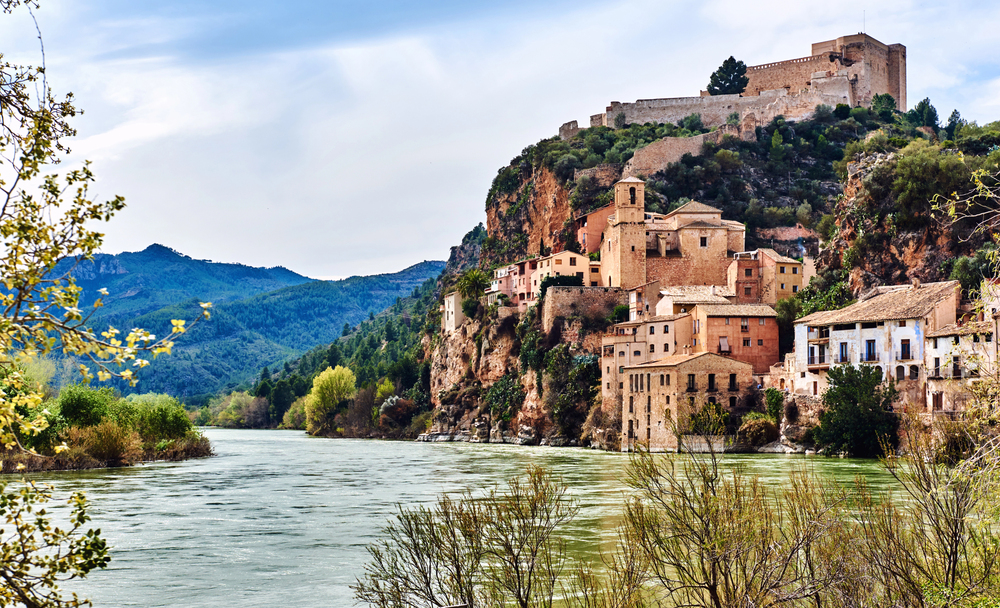
The essence of modern life in Tarragona lies in the harmonious blend of its historical legacy with contemporary developments.
The city embraces its rich past while continually evolving to meet the needs of its citizens and visitors alike.
Balancing Old and New
Tarragona exemplifies a unique balance between its ancient architecture and modern urbanisation.
The historic sites coexist with vibrant neighbourhoods that feature contemporary shops, cafes, and restaurants.
This juxtaposition creates a lively atmosphere that attracts both locals and tourists.
The local government has invested in preserving historical structures while fostering new developments.
Examples include:
- Restoration of the Roman amphitheatre alongside the construction of modern recreational spaces.
- The integration of contemporary art installations in historic squares.
- Encouragement of sustainable practices in newly developed areas.
Economic and Social Aspects
The economy of Tarragona is a dynamic mix of tourism, industry, and services.
The growth of the tourism sector, bolstered by its Roman heritage and Mediterranean coast, has led to increased job opportunities.
Key economic drivers include:
- Hospitality and gastronomy, with a flourishing scene of restaurants and bars that celebrate Catalan cuisine.
- Retail businesses that cater to both residents and visitors, enhancing the local shopping experience.
- Educational institutions and research facilities that contribute to local innovation.
Furthermore, Tarragona Spain is known for its lively social fabric.
Cultural events bring communities together, fostering a sense of belonging among residents.
The city’s various festivals not only celebrate local traditions but also integrate diverse cultural influences, creating a rich tapestry of experiences.
Education and Cultural Exchange Opportunities
Tarragona is home to educational institutions that offer a range of programmes.
These include universities and training centres which attract students from various regions.
The emphasis on education extends to cultural exchanges, providing residents with opportunities to engage with global perspectives.
Institutions often collaborate on international projects, allowing for the sharing of knowledge and cultural practices.
Important aspects include:
- Exchange programmes that enrich the academic experience of students.
- Workshops and seminars featuring guest speakers from abroad.
- Collaboration with local artists to promote cultural initiatives.
As the city develops, the focus on education and cultural interaction continues to be a priority, ensuring that Tarragona remains an attractive place for learning and growth.
Yours Free
Please click / tap on the image below:
If you would like to read about other important points for living / moving to Spain, here are other useful articles we wrote: