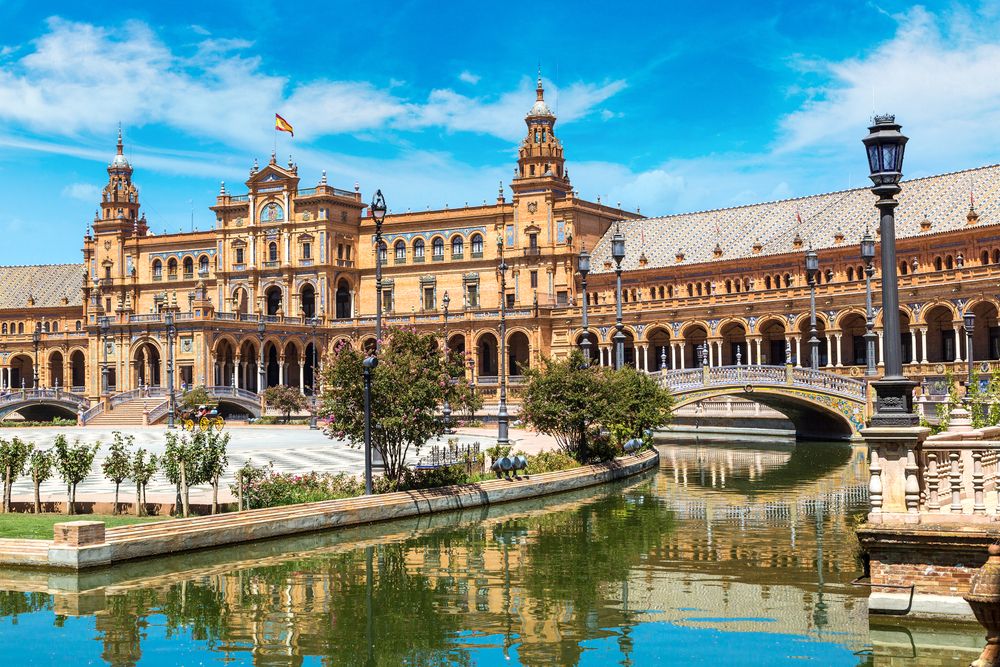
Seville is a vibrant city in southern Spain, known for its rich history and cultural heritage. It serves as the capital of Andalucía and is famous for its stunning architecture and lively atmosphere.
The city’s historical roots can be traced back to Roman times, with significant Islamic influences shaping its development.
Today, Seville is a popular destination for tourists seeking to experience its unique blend of traditions and modern life.
Seville, the city of the Giralda, is just a 4-hour drive from Almeria Spain, a coastal city that offers a unique experience in the Almería Coast.

Before we start… Yours Free
Please click / tap on the image below:

Exploring Seville Spain
Seville offers a unique blend of historical significance and dynamic culture.
Its streets are woven with rich narratives, reflecting diverse influences that have shaped the city over the centuries.
Many travelers come from Malaga Spain to discover the region’s cultural heritage.
Introduction to the City
Seville stands as a testament to various civilisations that have inhabited the region throughout history.
It is a city where ancient architecture harmoniously blends with contemporary life, creating an atmosphere that is both enchanting and lively.
Visitors can wander through picturesque alleys, discover vibrant plazas, and experience the warm hospitality of its residents.
This intoxicating city pulsates with life, inviting exploration at every corner.
Seville as the Capital of Andalucía
As the capital of the autonomous community of Andalucia Spain, Seville plays a pivotal role in the cultural and political landscape of southern Spain. The city is not only the largest in the region but also acts as a hub for arts, education, and governance.
Its significance extends beyond geography; Seville epitomises the essence of Andalusian identity and lifestyle, which embraces an exuberant way of living, reflected in music, dance, and local festivals.
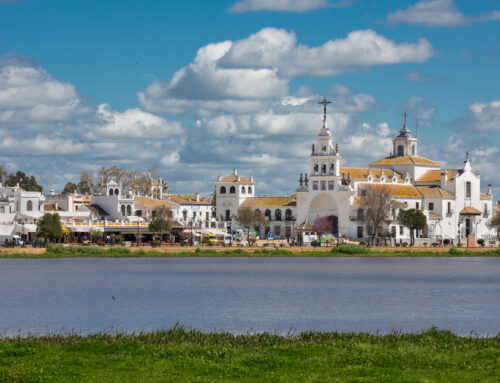
Routes through southern Spain usually connect destinations from Huelva Spain to the Andalusian interior.
This vibrant city serves as a bridge between its rich Islamic past and modern European influences.
Demographic Overview
Seville’s demographic profile paints a picture of a thriving urban community.
With roughly 701,000 residents within the municipal boundaries and a metropolitan population nearing 1.5 million, it is the fourth largest city in Spain.
The population is predominantly Spanish, enriched by a variety of cultures that have settled across the years.
This diversity contributes to a dynamic society characterised by both tradition and innovation.
The age distribution in Seville reveals a youthful population, which is vibrant and full of energy.
A significant number of students come to study in the esteemed universities present in the city, fostering a culture of education and creativity.
The cosmopolitan nature of Seville is evident during festivals, where locals and tourists alike celebrate their shared love for art, history, and community.
- Population: Approximately 701,000 inhabitants
- Metropolitan area: About 1.5 million residents
- Key demographic characteristics:
- Younger population with a growing student base
- Diverse cultural influences contributing to local traditions
Beneath its façade, Seville is a city that embraces change while holding steadfast to its historical roots.
The community’s spirit is palpable during bustling street markets where locals gather, showcasing everything from artisanal crafts to delicious local cuisine.
This active social scene enhances the sense of belonging among its residents and offers a warm welcome to visitors exploring the rich tapestry of Seville.
Historical Background
The historical background of Seville Spain is a tapestry woven with diverse cultures and significant events that have shaped the city over the centuries.
From its Roman roots to its pivotal role during the Age of Exploration, Seville’s past is rich and multifaceted.
Roman Origins
Seville’s history can be traced back to its establishment as the Roman city of Hispalis in the 2nd century BC.
The strategic location along the Guadalquivir River made it an important hub for trade and commerce.
Hispalis flourished, benefiting from its connection to the Mediterranean and the resources of the fertile surrounding plains.
During this period, the city saw substantial urban development.
The construction of public buildings, such as temples, forums, and theatres, heralded the influence of Roman architecture.
The city’s layout featured a grid system, a characteristic of Roman urban planning that facilitated administration and commerce.
Seville in the Age of Exploration
The 16th century marked a golden age for Seville, coinciding with the Age of Exploration.
The city became the primary port for Spanish expeditions to the New World, and its importance as a trade centre surged.
The arrival of precious metals like gold and silver transformed the local economy and had a profound impact across Spain and Europe.
Seville was home to numerous exploration companies and merchants, who facilitated trade routes and established contacts with overseas territories.
This period of prosperity led to vast investments in the city’s infrastructure, including the construction of grand palaces, churches, and public buildings that showcased the newfound wealth.
The architectural and cultural legacies from this era remain key attractions for visitors today.
However, the economic reliance on colonial trade also brought challenges.
Fluctuating wealth caused periods of strife, both socially and economically, as the city grappled with the consequences of its dominant role in global trade.
Over time, as trade routes shifted and other ports gained prominence, Seville’s influence began to wane, leaving a complex historical narrative that reflects the ebb and flow of its fortunes.
Architectural Wonders
Seville’s architectural wonders showcase a rich tapestry of styles and influences, reflecting the city’s eclectic history and cultural significance.
From majestic cathedrals to royal palaces, these structures are emblematic of the artistic ingenuity and historical depth found throughout the city.
The Seville Cathedral
The Seville Cathedral stands as one of the most remarkable examples of gothic architecture in the world.
Its vast size and intricate details make it a focal point within the city’s skyline.
Originally constructed in the early 15th century, it was built to demonstrate the wealth and power of Seville following the Reconquista.
The orange blossom-scented patios of Sevilla evoke memories of Generalife gardens in Granada Spain, both reflecting Moorish heritage.
History and Construction
Construction of the Cathedral began in 1401, replacing an earlier mosque.
The project aimed to reflect the triumph of Christianity over Islam, establishing a new identity for the city.
The cathedral was completed in 1506, and its remarkable design features a blend of gothic, Renaissance, and Mudejar styles, typical of Seville’s historical context.
The Giralda Tower
The Giralda Tower, originally an Islamic minaret, is an iconic feature of the cathedral.
The structure was completed in the 12th century and stands at 104 metres high.
Its design reflects a harmonious mix of both Muslim and Christian traditions.
Visitors can ascend the tower via a series of ramps, offering a unique way to reach the top while enjoying panoramic views of Seville.
While Sevilla captivates with its iconic Giralda tower, Alicante Spain offers a scenic backdrop of palm-fringed beaches and bustling promenades.
Tomb of Christopher Columbus
Within the cathedral lies the tomb of Christopher Columbus, the famous explorer credited with connecting the Americas with Europe.
This elaborate tomb is a tribute to his significance in history and features a monumental sculpture carried by four figures representing the kingdoms of Castile, León, Aragon, and Navarra.
The tomb not only reflects Columbus’s legacy but also the global impact of Spanish exploration.
The Real Alcázar
The Real Alcázar of Seville is a stunning royal palace known for its intricate architectural style and lush gardens.
Originally a modest fortress built in the 10th century, it has been expanded and renovated over the centuries, resulting in a complex that showcases the evolution of Moorish, Gothic, and Renaissance influences.
Architectural Style and History
The Alcázar exemplifies Mudéjar architecture, a style that blends Islamic and Christian design elements.
Each room within the palace is adorned with detailed tile work, carved wooden ceilings, and beautifully landscaped courtyards.
Its historical significance is underscored by its role as a residence for Spanish royalty and its status as a UNESCO World Heritage site.
Gardens and Features
The expansive gardens of the Real Alcázar present a serene environment filled with fountains, manicured hedges, and vibrant flora.
These gardens reflect Islamic principles of paradise on earth and provide a tranquil escape from the bustling city outside.
Visitors can wander through paths that lead to various hidden corners, each offering a unique perspective of the palace and its surroundings.
Cultural Significance
The Alcázar not only serves as a historical monument but also as a venue for cultural events and performances.
Its scenic beauty and storied past make it a popular destination for both tourists and locals, symbolising the rich cultural heritage of Seville Spain.
Plaza de España
Constructed for the Ibero-American Exposition of 1929, the Plaza de España is a stunning example of Spanish Renaissance Revival style.
The plaza is known for its crescent shape, ceramic tiles representing Spain’s provinces, and its grand architectural elements that make it a landmark in Seville.
Design and Symbolism
The design of Plaza de España incorporates a large semi-circular building, which is flanked by a canal.
The tiled alcoves that represent different provinces not only celebrate regional diversity but also reflect Spain’s national identity.
The plaza is a gathering place, symbolising community and unity.
Noteworthy Features
In the centre of the plaza stands a large fountain, surrounded by picturesque bridges that cross the canal.
The embellishments, including wrought iron and brickwork, enhance the aesthetic appeal, making it one of the most photographed locations in Seville.
Appearances in Films
Plaza de España has been featured in various films and television series, adding to its fame beyond tourism.
Notable appearances include ‘Star Wars: Episode II – Attack of the Clones’ and ‘Game of Thrones’, showcasing its striking architecture and cinematic potential.
These representations further cement its status as a cultural icon within the city.
Other Notable Monuments
Seville Spain is home to several other significant monuments that enrich its historical and cultural narrative.
Each of these structures contributes to the overall character of the city, blending history with contemporary life.
Casa de Pilatos
Casa de Pilatos is a remarkable palace that fuses Gothic and Mudejar architectural styles.
Completed in the 16th century, this building combines Spanish Renaissance elements with Italian influence.
The palace is known for its exquisite courtyard adorned with intricate mosaics and a stunning collection of sculptures.
Torre del Oro
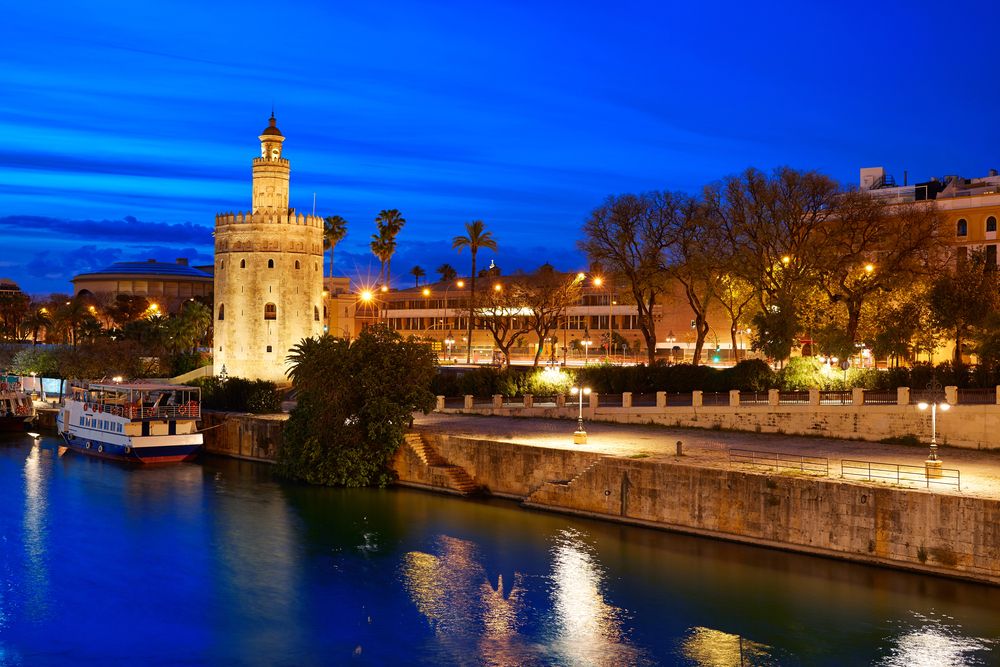
The Torre del Oro, or Golden Tower, originally served as a defensive watchtower during the 13th century.
Standing on the banks of the Guadalquivir River, its name derives from the golden shine of its bricks when illuminated by the sun.
Today, the tower houses a maritime museum, connecting the past with the present.
Ayuntamiento de Sevilla
The Ayuntamiento de Sevilla, or City Hall, showcases an impressive Plateresque style that epitomises the artistry of Spanish architecture.
Built in the late 16th century, its façade is adorned with decorative details and sculptures that highlight the city’s historical significance.
The building serves as both a working government office and a beautiful architectural landmark.
Cultural Highlights
The cultural landscape of Seville is a vibrant tapestry woven from the threads of its historical influences.
Rich traditions and artistic expression turn the city into a living museum, showcasing the essence of Andalusian culture.
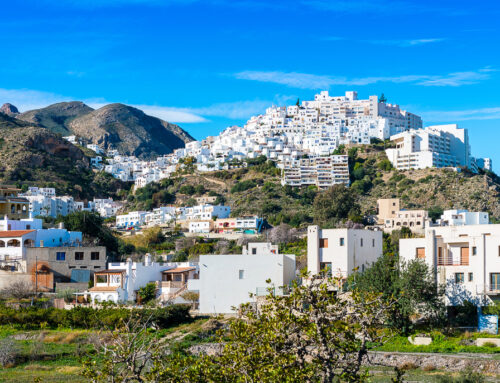
Like Mojácar Spain, the city maintains a strong traditional Andalusian identity.
Flamenco: The Heartbeat of Seville
Flamenco is not just a form of dance or music; it is a profound expression of the soul that has deep roots in the cultural fabric of Seville.
Often associated with the gypsy community, flamenco has evolved over centuries, blending various influences from different cultures.
Its raw emotion is conveyed through intricate footwork, passionate guitar playing, and soulful singing.
The flamenco scene in Seville is dynamic and can be experienced in numerous venues across the city, from intimate tablaos to grand festivals.
Every performance tells a story, often filled with themes of love, sorrow, and joy.
The authenticity of these performances resonates with both locals and visitors.
Enthusiasts often engage in the art form themselves, participating in classes that teach the fundamentals of flamenco, inviting them to connect with this powerful tradition on a personal level.
Festivals and Celebrations
Seville is renowned for its vibrant festivals, which capture the spirit of its people and the richness of its traditions.
Each celebration showcases the culture, food, and art that define this historic city.
Yours Free
Please click / tap on the image below:
Holy Week
The Semana Santa, or Holy Week, is one of the most significant and solemn celebrations in Seville.
Each spring, the city comes alive with elaborate processions featuring intricate floats adorned with religious figures.
Thousands of participants, dressed in traditional robes, march through the streets, creating a captivating atmosphere steeped in reverence.
The processions are accompanied by hauntingly beautiful music, which adds to the emotional weight of the event.
This deeply-rooted tradition draws visitors from around the world, eager to witness the intensity and artistry on display.
Feria de Abril
Following the solemnity of Holy Week, the Feria de Abril bursts forth with colour and joy.
This lively fair, which typically takes place a couple of weeks after Easter, transforms the city into a vibrant fiesta.
The streets are lined with casetas, temporary tents that are lavishly decorated and filled with laughter, music, and dancing.
Attendees don traditional flamenco dresses and enjoy local delicacies while engaging in spirited conversations.
The festival celebrates the region’s culture, featuring horse parades, flamenco performances, and myriad activities that invite participation from everyone.
Seville’s Artistic Heritage
Seville’s artistic heritage is impressive, reflecting a diverse lineage of styles and influences that characterise its evolution through the ages.
Artistic expression in the city is not confined to performances; it also encompasses visual arts, literature, and architecture.
Museo de Bellas Artes
The Museo de Bellas Artes is one of Spain’s most important art museums, showcasing an extensive collection of paintings and sculptures that narrate the artistic journey of the region.
Housed in a former convent, the museum features works from renowned artists, including Murillo and Velázquez, alongside pieces from the 19th and 20th centuries.
The museum’s exhibitions allow visitors to glimpse the transformation of Seville’s art scene through various styles, making it a vital stop for anyone interested in the cultural context of Andalusian artistry.
Its serene courtyards and lush gardens enhance the experience, encouraging contemplation and appreciation of the masterpieces within.
Local Gastronomy
Local gastronomy in Seville reflects the vibrant culture and traditions of the region.
The cuisine is characterised by its bold flavours and communal dining experiences, making it a significant aspect of social life.
Traditional Cuisine
The heart of Seville’s culinary scene lies in its traditional dishes and culinary practices.
Local cuisine showcases the use of fresh, high-quality ingredients that highlight the essence of Andalusian flavours.
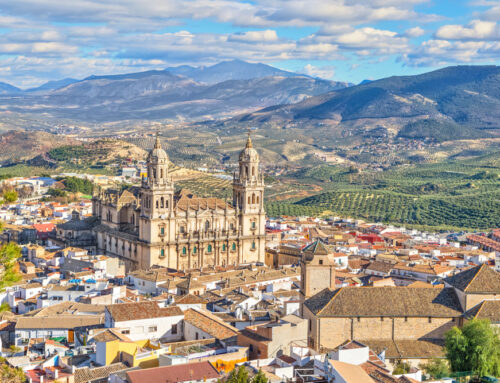
The use of high-quality olive oil highlights the agricultural importance of provinces like Jaén Spain.
Tapas Culture
Tapas are an integral part of the gastronomic landscape in Seville.
These small plates allow diners to sample a variety of dishes, promoting a shared dining experience.
It is customary to enjoy tapas in casual settings, where friends and family gather to socialise over food and drinks.
Some popular tapas include:
- Patatas Bravas: Fried potatoes served with a spicy sauce.
- Jamón Ibérico: A renowned cured ham from Iberian pigs, prized for its rich flavour.
- Gambas al Ajillo: Succulent prawns sautéed in garlic and olive oil.
- Flamenquín: Rolled meat, typically pork or chicken, filled with cheese and deep-fried.
- Ensaladilla Rusa: A creamy potato salad with vegetables and mayonnaise, often garnished with olives.
This culture of sharing extends to the drinks as well, with local wines like Fino or Manzanilla often accompanying the meal, enhancing the overall experience.
Signature Dishes
Seville is home to a wealth of signature dishes that are both cherished by locals and sought after by visitors.
These dishes often highlight fresh produce specific to the region, including tomatoes, peppers, and a variety of seafood offerings.
- Salmorejo: A thicker, creamier version of gazpacho, made with tomatoes, bread, oil, and vinegar, typically served with hard-boiled eggs and jamón.
- Paella: While originally from Valencia Spain, many variations exist in Seville, often featuring rabbit, chicken, or seafood.
- Rabo de Toro: A traditional oxtail stew, slow-cooked with vegetables and red wine, appreciated for its rich and comforting flavours.
- Piononos: A delightful pastry originating from the nearby town of Santa Fé, made of rolled sponge cake filled with cream.
The emphasis on seasonal and local ingredients not only enhances flavour but also supports local farmers and producers, ensuring a sustainable culinary ecosystem in the region.
Bars and Restaurants to Visit
Seville boasts a thriving dining scene, from local tapas bars to upscale restaurants showcasing innovative interpretations of traditional cuisine.
Many establishments capture the spirit of Andalusian hospitality while providing unique culinary experiences.
Among the most notable venues are:
- Casa Morales: A traditional tapas bar known for its authentic atmosphere and an extensive selection of local wines.
- El Rinconcillo: Established in 1670, this is one of the oldest tapas bars in Seville, renowned for its classic dishes.
- La Azotea: A contemporary restaurant offering a creative twist on traditional flavours with a focus on seasonal ingredients.
- Bar Alfalfa: A charming spot perfect for enjoying a casual meal of pintxos and local wines.
These establishments often embody the warmth and conviviality of Seville, making them popular choices among locals and an inviting destination for visitors eager to indulge in the city’s culinary delights.
Navigating Seville
Getting around Seville is a delightful experience due to its compact layout, diverse transport options, and pedestrian-friendly streets.
The city has well-established public transport facilities and various modes of transport that cater to both locals and visitors alike.
Transportation Options
Public Transport System
Seville boasts a comprehensive public transport network, which includes buses, metro lines, and a modern tram service.
The bus system operates numerous routes across the city, providing an efficient means of travel.
Seville’s metro consists of one line that runs through the most significant areas, connecting the key districts.
The tram service, known as the ‘Metropolitano,’ spans several essential locations, making it a convenient way to explore the historic centre and nearby attractions.
Tickets for these services can be purchased at vending machines or from bus drivers, with options for single journeys or multiple trips, catering to the needs of commuters and tourists alike.
Exploring by Bike or Foot
Given its charming streets and scenic paths, exploring Seville by bike or on foot is highly recommended.
The city is equipped with extensive cycling lanes, making it easy to navigate during leisurely rides.
Several bike rental services are available, allowing visitors to enjoy the pleasant climate while seeing the sights.
Walker-friendly avenues wind through stunning plazas and cultural landmarks.
Strolling through the narrow streets of the old town reveals stunning architecture and hidden gems.
Key attractions are typically within walking distance of each other, encouraging visitors to soak in the vibrant atmosphere at a relaxed pace.
Seville Airport and Accessibility
Seville’s San Pablo Airport serves as the primary gateway to the city, offering both domestic and international flights.
Located approximately 10 kilometres from the city centre, the airport is easily accessible by various transport options.
Frequent bus services connect the airport with central Seville, providing a cost-effective way to reach the city.
Taxis are readily available outside the terminal, ensuring a convenient and direct transfer to hotels or specific sites.
The airport’s facilities include car rental services, which allows for additional flexibility to explore the surrounding areas of Andalucía.
Local Customs and Considerations
Understanding local customs can enhance the experience of navigating Seville.
Typical Spanish customs influence daily life here, such as the traditional siesta in the afternoons, wherein many shops and businesses may close temporarily.
This practice encourages a slower, more relaxed approach to life, where dining and late-night social events are common.
It is advisable to remain aware of the local dining times, with lunch typically served between 1:30 PM and 4:00 PM and dinner commencing much later, often after 9:00 PM.
Such timings reflect the lifestyle and social patterns of Seville, rich in culinary experiences and communal gatherings.
When using public transport, it is customary in Seville to give priority to those who require assistance, such as the elderly and disabled.
This display of respect and consideration illustrates the warm and welcoming nature of the Sevillian populace.
Seville’s Climate
Seville experiences a Mediterranean climate, characterised by hot summers and mild winters.
Understanding the seasonal weather patterns is essential for effectively planning a visit to this vibrant city.
Seasonal Weather Patterns
The climate in Seville varies significantly throughout the year, making each season unique.
The region enjoys a significant amount of sunshine, which adds to its charm.
However, visitors should be prepared for varying temperatures and conditions.
- Spring (March to May)
Spring is one of the most pleasant times to experience Seville.
Temperatures gradually rise, starting around 16°C in March and reaching up to 25°C in May.
This season also sees blooming flowers, making parks and gardens particularly beautiful.
Rain is relatively rare, although occasional showers can occur, particularly in March.
- Summer (June to August)
Summers in Seville are known for their intense heat.
June can start off pleasantly warm, with temperatures around 29°C, but by July and August, daytime highs can soar above 35°C, sometimes reaching 40°C.
Although evenings are cooler and more bearable, it is essential to stay hydrated and seek shade during the day.
This period is typically dry, with minimal rainfall.
- Autumn (September to November)
Autumn brings a welcome relief from the summer heat.
September still retains some summer warmth, with temperatures averaging around 30°C, but by November, they drop to about 18°C.
The season is marked by sporadic rain, especially later in the autumn months.
This is a lovely time for outdoor activities as the city becomes less crowded and the weather remains comfortable.
- Winter (December to February)
Winters in Seville are mild, with temperatures averaging between 6°C and 16°C. Frost is almost unheard of, making it an ideal escape for those seeking to avoid cold weather.
Rainfall is more common during this season, but it usually consists of light showers rather than heavy downpours.
The atmosphere remains vibrant, particularly during festive periods around Christmas and New Year.
Best Times to Visit
The ideal time to visit Seville is during the spring and autumn months when the weather is pleasant and the city hosts numerous festivals and events.
Spring specifically, from late March to May, not only offers beautiful weather but also coincides with significant cultural happenings, including Semana Santa (Holy Week) and Feria de Abril, both of which showcase the rich traditions of the region.
- Spring Visits
The arrival of spring marks a lively period in Seville, with locals and tourists keen to enjoy outdoor activities and cultural events.
The comfortable temperatures encourage exploring historical sites, parks, and riverside walks.
- Autumn Adventures
Autumn is equally inviting, offering pleasant conditions for sightseeing without the summer crowds.
With festivals such as the Festival de Cine Europeo de Sevilla taking place, visitors can engage in local culture amid beautiful autumn hues.
The festive and traditional character shares similarities with historic cities like Cadiz Spain.
- Winter Escapes
Those who prefer milder weather and fewer tourists may find winter to be an ideal time for a getaway, providing opportunities to explore the cuisine and culture at a relaxed pace.
While it is cooler, indoor attractions and the festive spirit make this season worthwhile.
Things to See and Do in Seville
Seville is a city bursting with experiences and sights that capture its essence.
From historic landmarks to vibrant arts, there is a wealth of activities that showcase the city’s diverse cultural tapestry.
Historical Sites
The historical sites of Seville offer a glimpse into its past, showcasing the incredible architecture and the rich history that permeates the city.
- The Seville Cathedral stands as one of the most significant landmarks. This UNESCO World Heritage site is not just notable for its grandeur but also for its fascinating history, housing several chapels adorned with exquisite art.
- The Real Alcázar, another gem, is renowned for its stunning Mudejar architecture. This royal palace, with its intricate tile work and lush gardens, has served as a backdrop for various historical dramas and significant events.
- The Plaza de España, constructed for the Ibero-American Exposition of 1929, features beautiful ceramic tile work that represents the provinces of Spain. It is an iconic symbol of Seville and a must-see for any visitor.
Art and Music Venues
Seville’s cultural heartbeat is palpable in its many art and music venues, where one can immerse themselves in the local creative scene.
- The Museo de Bellas Artes is a treasure trove of Spanish art, particularly known for its collection of works from the medieval and Renaissance periods. The museum itself is housed in a former convent, adding to its unique charm.
- Flamenco performances are integral to the city’s culture. Numerous venues, known as *tablaos*, offer intimate shows that celebrate this passionate art form, featuring dancers whose movements tell stories of love, struggle, and joy.
Outdoor Activities
Seville’s outdoor spaces provide an excellent way to enjoy the city’s warm climate and scenic beauty.
Parks and Gardens
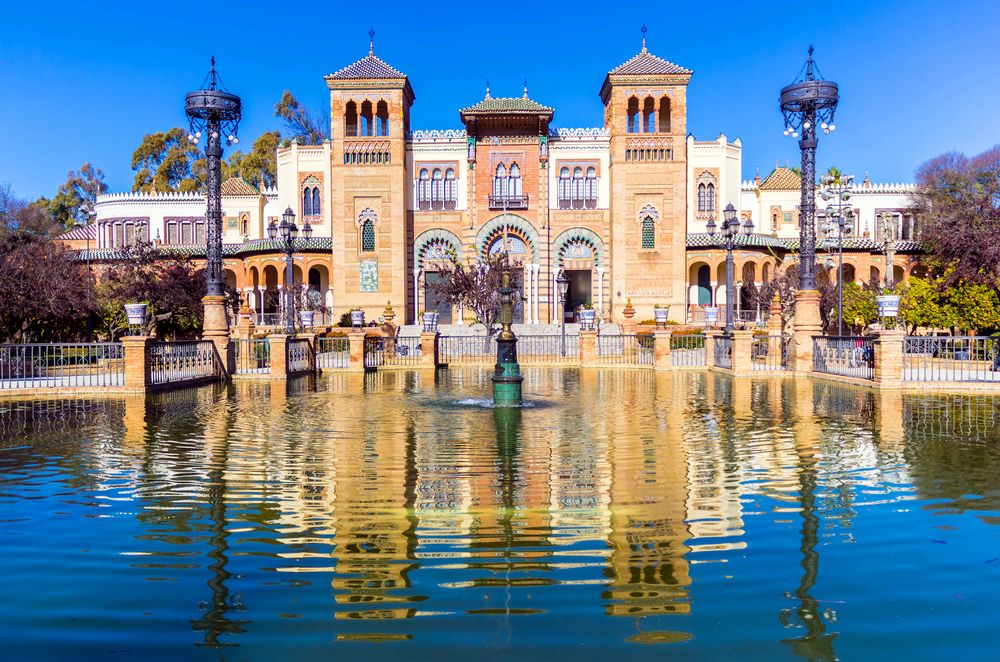
The city boasts numerous parks and gardens perfect for leisurely strolls or picnics.
The Parque de María Luisa, with its enchanting fountains and picturesque pathways, is a highlight.
Its lush greenery and striking architecture provide a serene escape from the hustle and bustle of urban life.
The park is also home to the Plaza de España, which can be explored after enjoying the expansive garden.
River Guadalquivir Activities
The River Guadalquivir offers various recreational activities, such as boat tours that allow visitors to admire the city from a different perspective.
Kayaking and paddleboarding are also popular options, providing a refreshing way to enjoy the river.
Walking or cycling along the riverbanks presents an opportunity to take in the scenic views, with several bars and cafes dotted along the route for a leisurely break.
Day Trips from Seville
This vibrant city serves as a perfect base for exploring the surrounding regions, offering a plethora of day trip options that cater to diverse interests.
- Córdoba Spain, famous for the Mezquita, is just a short train ride away. This fascinating city, with its stunning architecture and historical significance, brings another layer to Andalusian culture.
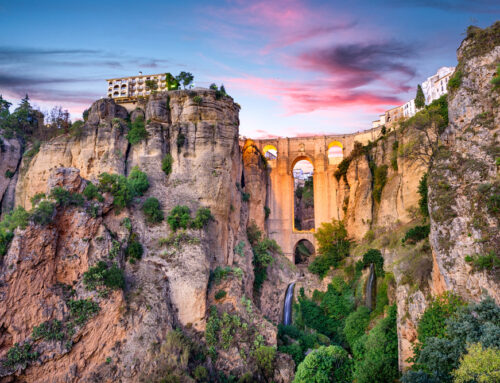
- Ronda Spain, perched atop cliffs, is renowned for its breathtaking views and the impressive Puente Nuevo bridge. This picturesque town is ideal for those looking to indulge in the dramatic landscapes of southern Spain.
- Jerez de la Frontera, known for its sherry production, allows for tastings and tours of wineries. Visitors can experience the local equestrian culture, particularly famous for its Andalusian horses.
Practical Travel Tips
Obtaining essential knowledge and tips can significantly enhance the experience of visiting Sevilla.
From accommodation options to navigating the bustling streets during popular festivals, understanding local customs can provide a more enriching visit.
Accommodation Recommendations
Seville offers a wide variety of accommodation options to cater to different budgets and preferences.
From luxurious hotels to charming hostels, visitors can find suitable places to stay throughout the city.
- Luxury Hotels: For those seeking luxury, there are numerous five-star hotels, particularly in the historical centre.
- Mid-Range Options: These establishments typically provide excellent service and easy access to local attractions.
- Budget Accommodation: Backpackers will find numerous hostels and budget hotels in districts like La Alameda and Triana.
- Vacation Rentals: Another viable option is to rent an apartment or studio. Platforms like Airbnb offer a variety of homes that provide a chance to experience life like a local. This can be particularly advantageous for families or groups travelling together.
Navigating Crowds During Festivals
Seville is renowned for its vibrant festivals, especially the Semana Santa and the Feria de Abril.
These events draw large crowds, creating both excitement and challenges for visitors. Planning and foresight are vital to enjoy these occasions fully.
- Arrive Early: Whether it’s for a procession during Semana Santa or the opening night of Feria de Abril, arriving early to secure a good viewing spot can make a significant difference. Streets fill quickly, and prime locations disappear in no time.
- Stay Hydrated: During the warm spring months, hydration is crucial. Festivals can involve long hours spent outdoors, so visitors should carry water bottles and take breaks in shaded areas to avoid heat exhaustion.
- Use Public Transport: With heavy foot traffic, public transport can be a convenient way to navigate the city during these busy times. Trains and buses often run additional services, but checking schedules in advance is wise.
- Respect Local Customs: Familiarise oneself with the customs associated with the events, especially during religious observances. Respectful behaviour ensures that everyone enjoys the festivities and upholds the traditions that make Sevilla unique.
Seville in Popular Media
Seville, with its rich cultural tapestry and stunning landmarks, has captured the imagination of filmmakers and artists alike.
The city’s vibrant atmosphere and historical significance often serve as a backdrop for various creative works.
Films and Series Featuring Seville
Throughout the years, Seville has been featured in numerous films and television series, showcasing its architectural beauty and cultural essence.
Productions ranging from period dramas to modern thrillers have utilised the city’s unique landscapes to enhance their stories.
- Notable Films
Several notable films have showcased Seville’s splendour, including:
-
- Lawrence of Arabia – This classic film, although primarily set in the deserts of Arabia, made use of Seville’s stunning landscapes for several scenes, adding an authentic touch to the narrative.
- Vicky Cristina Barcelona – This romantic comedy-drama directed by Woody Allen features scenes shot in Seville, which highlights the city’s enchanting streets and vibrant culture.
- Star Wars: Episode II – Attack of the Clones – Certain sequences of this blockbuster were filmed in the stunning Plaza de España, showcasing its unique architecture to a global audience.
- Game of Thrones – Seville’s Real Alcázar served as a filming location for the immensely popular series, representing the fictional Dorne, further cementing the city’s place in modern popular culture.
- Television Series
In addition to films, television shows have also highlighted Seville’s charm:
-
- In the Heart of Spain – This documentary series delves into various aspects of Spanish culture, featuring episodes dedicated to the traditions and sights of Seville.
- The Spanish Virgin Islands – This show showcased Seville as a focal point of its episodes, exploring local customs and the city’s legacy.
Seville’s Global Influence
Seville’s cultural impact extends beyond the screen, influencing various forms of media across the globe.
The city’s rich history and vibrant traditions have inspired artists, writers, and musicians.
- Influence on Artists
After many artists have drawn inspiration from Seville’s picturesque landscapes and rich history, including:
-
- Artists of the Spanish Golden Age – The works of artists such as Diego Velázquez and Francisco de Goya reflect elements of Seville’s ambiance, showcasing its contribution to the art world.
- Contemporary Artists – Various modern artists continue to showcase Seville’s beauty through paintings and installations, further enriching the global art scene.
- Literary References
Writers have also played a significant role in spreading Seville’s influence:
-
- Cervantes – The works of Miguel de Cervantes often encapsulate the essence of Spanish culture, with references to Seville’s charm and history.
- Modern Authors – Many contemporary novels reference Seville’s historical significance, using the city as a backdrop for their stories and adding depth to the narratives.
Yours Free
Please click / tap on the image below:
If you would like to read about other important points for living / moving to Spain, here are other useful articles we wrote: