Almería, located in southeastern Spain, is a city rich in history and culture.
It is known for its stunning landscapes, including beaches and natural parks, as well as its diverse agricultural production.
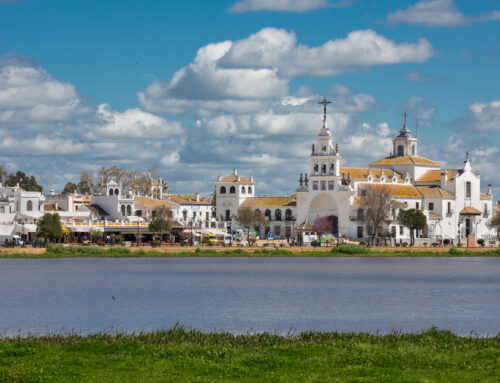
Many travelers explore Andalusia from Huelva Spain to the historic interior of southern Spain.
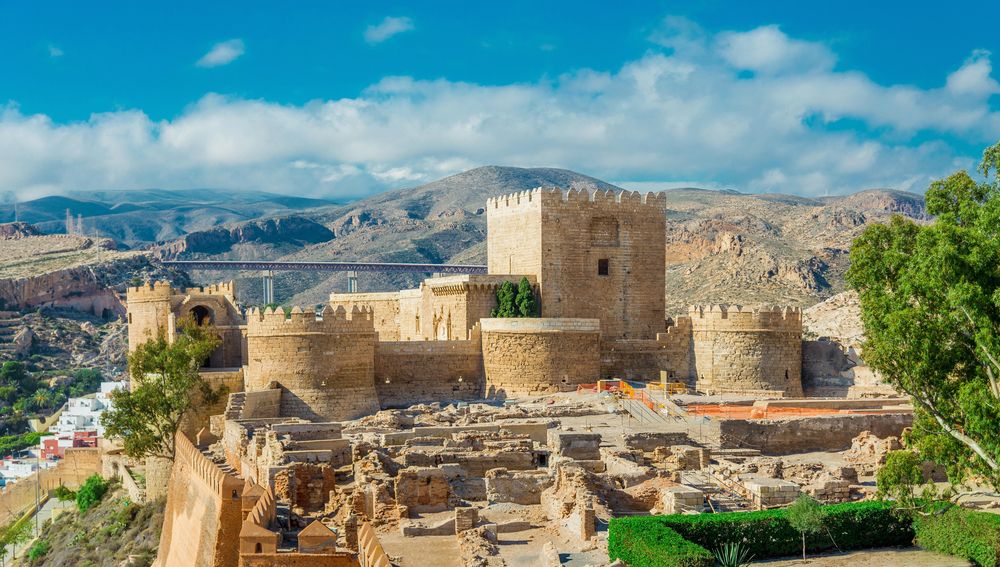
The city’s historical significance dates back to the Islamic period, with notable landmarks like the Alcazaba and the Cathedral.
Almería continues to thrive as a tourist destination, attracting visitors with its unique blend of heritage and natural beauty.

Before we start… Yours Free
Please click / tap on the image below:

History of Almería Spain
The history of Almería is marked by a rich tapestry of cultures and significant events that have shaped its identity over the centuries.
From its origins during the Islamic period to its role in modern conflicts, the evolution of this city is a compelling narrative.
Origins and Etymology
The name Almería derives from the Arabic term ‘Madīnat al-Mariyya,’ which translates to ‘City of the Watchtower.‘
This etymology reflects its historical importance as a coastal fortress.
Established in 955 by the caliph Abd al-Rahman III, Almería was founded as a military and commercial port, facilitating trade and providing a strategic vantage point against maritime threats.
Almería During Al-Andalus
During the Islamic period, Almería became a thriving centre of commerce and culture within Al-Andalus.
The city developed a robust economy based on various trades, including silk and agricultural products.
The construction of towering walls and the famous Alcazaba signal its importance in the defence against invasions.
Almería’s strategic location on the Mediterranean allowed it to flourish as a vital port for the Umayyads, who recognized its potential for trade and military presence.
The flourishing local markets attracted merchants from across the Islamic world and beyond.
Christian Conquest and Its Aftermath
The Christian conquest of Almería occurred in 1147, led by Alfonso VII during the Reconquista.
This event marked a significant turning point in the city’s history, as it transitioned from an Islamic stronghold to a Christian territory.
Although the city briefly returned to Muslim control under the Almohads, the permanent Christian rule established by the Catholic Monarchs in 1489 marked the beginning of a new era.
Following the conquest, the city experienced considerable changes in its cultural landscape.
Many Islamic structures were repurposed or demolished, and the city began to adopt a more European architectural style.
Despite the challenges posed by social and economic transformations, Almería maintained its significance as a port and agricultural hub.
Almería’s Role in the Spanish Civil War
The Spanish Civil War (1936-1939) profoundly impacted Almería, resulting in significant destruction and hardship for its inhabitants.
The city was strategically important due to its location and became a target for bombings from opposing forces.
Almería served as a refuge for many fleeing the conflict, particularly during the early stages of the war.
Throughout the war, the city witnessed firsthand the brutal realities of conflict, leading to a legacy of resilience among its people.
The scars left by the war influenced future generations, as the city embarked on a slow path to recovery post-conflict.
Today, the historical context of the Spanish Civil War is an essential aspect of Almería’s narrative, reflecting its capacity for regeneration and testament to its enduring spirit.
The Alcazaba of Almería
The Alcazaba of Almería is a striking fortress that stands as a testament to the city’s rich history.
This monumental structure captures the essence of the Islamic period and showcases impressive architectural techniques of its time.
Architectural Features
The Alcazaba is characterized by its robust defensive architecture and intricate design elements.
It is composed of three distinct enclosures, each representing different stages of construction and adaptation throughout its history.
While Málaga Spain is famous for its art and culture, Almería stands out for its medieval architecture and its beautiful old town.
The first enclosure is notable for its large, fortified walls that stretch around the perimeter, towering over the city.
These walls were constructed using local stone and bricks, providing both strength and durability against possible attacks.
Numerous towers punctuate the boundaries, allowing for heightened surveillance and defense.
- The layout includes:
- Square and semi-circular towers, aiding in defense.
- Arched doorways and gates, showcasing Islamic architectural styles.
- Sections that incorporate gardens and living quarters, revealing the dual purpose of the structure.
The second enclosure features the “Palacios” or palaces, which served as residential areas for rulers and their families.
These palaces exhibit intricate tile work and beautiful arches that reflect the artistic influences of the time.
Within its walls, the Alcazaba also housed a mosque, which has since been converted, but its remnants offer insights into the religious practices of the period.
Historical Significance
The Alcazaba played a vital role in the history of Almería as both a military stronghold and a political center.
Constructed in the 10th century under the orders of Caliph Abd al-Rahman III, it served as a critical point for defense against invasions and rival kingdoms.
During its early years, the fortress became a central hub for trade and commerce.
Positioned near the coast, it was crucial for safeguarding maritime routes and facilitating economic prosperity in Almería.
Throughout the centuries, the Alcazaba endured various transformations as it changed hands between different rulers, including the Almoravids and Almohads.
Each period left its mark on the structure, allowing it to evolve while simultaneously retaining its importance as a bastion of strength.
The fortress remained relevant even after the Christian Reconquista. It was repurposed for military use and continued to serve as a defensive post for centuries.
Today, the Alcazaba is recognized not only as an architectural marvel but also as a key historical site that illustrates the diverse cultural influences that have shaped Almería.
Its preservation allows for continued exploration and appreciation of the region’s unique past.
The Almería Cathedral is a remarkable architectural jewel located in the heart of the city.
This stunning structure exemplifies the blend of styles and historical significance that characterizes Almería.
Almería Cathedral
Gothic-Renaissance Style
The architectural design of Almería Cathedral is primarily Gothic-Renaissance, reflecting the rich history and cultural influences of the region.
The construction of the cathedral began in the year 1520 and continued for over a century, resulting in a unique integration of two prominent styles.
The facade showcases intricate details typical of the Renaissance period, while its interior features striking Gothic elements.
One of the most notable aspects of the facade is the beautiful portal adorned with sculptures and carvings.
The large central rose window further enhances the aesthetic appeal, allowing natural light to flood the interior space.
This combination of architectural styles illustrates the evolution of design preferences during the period.
Defensive Features
In addition to its beauty, Almería Cathedral was constructed with defensive purposes in mind.
Its strategic location and robust structure served as a fortress during times of conflict, particularly during the 16th century when the city faced threats from pirates and other invaders.
The walls of the cathedral are particularly thick, designed to withstand attacks.
The presence of battlements at the top of the building further emphasizes its military function.
This duality as both a place of worship and a fortification is a defining characteristic of the cathedral, setting it apart from other religious structures in Spain.
Inside the cathedral, visitors can find various chapels dedicated to different saints, each adorned with exquisite altarpieces.
The main altar, notable for its impressive size and intricate gold detailing, serves as a focal point for religious ceremonies and gatherings.
Key Features of the Cathedral
- Rose window: A stunning central feature representing the Gothic style.
- Thick walls: Built for defense against potential attacks.
- Battlements: Architectural elements reflecting its military past.
- Chapel decorations: Each chapel showcases unique artistic expressions.
- Main altar: An impressive centerpiece adorned with gold and intricate design.
Natural Attractions in the Province
Almería is renowned for its stunning natural landscapes that attract outdoor enthusiasts and nature lovers.
The province boasts protected areas, unique ecosystems, and diverse environments, making it a premier destination for eco-tourism.
Cabo de Gata-Níjar Natural Park
This natural park is one of the most significant natural reserves in Andalusia Spain and a UNESCO Biosphere Reserve.
It features starkly beautiful coastlines, arid landscapes, and an array of plant and animal life.
Biodiversity
The park is home to numerous species of flora and fauna, many of which are endemic or threatened.
Its coastal waters are rich in marine life, including various fish, crustaceans, and mollusks, making it an excellent spot for diving and snorkeling.
Moreover, the rugged terrain supports unique plant species adapted to dry conditions.
The presence of rare birds, such as the Audouin’s gull and the Egyptian vulture, further highlights the ecological importance of Cabo de Gata-Níjar.
Activities and Trails
- Hiking: The park has various hiking trails that traverse its diverse landscapes, ranging from coastal paths offering breathtaking views of the Mediterranean to inland routes through canyons and dry riverbeds.
- Water Sports: The clear waters of the park provide ideal conditions for kayaking, windsurfing, and paddleboarding. Snorkeling and scuba diving are also popular, allowing visitors to explore underwater caves and coral reefs.
- Bird Watching: Nature enthusiasts can enjoy bird watching throughout the year, as the park serves as a crucial habitat for migratory birds.
The Tabernas Desert
The Tabernas Desert is an exceptional natural site that stands out as Europe’s only true desert.
Its unique landscape has long fascinated visitors and has played a significant role in the cultural history of Almería.
Unique European Desert
This arid region is characterized by its dramatic dry terrain, eroded gullies, and distinctive geological formations.
The striking natural vistas have not only become a haven for biodiversity but also a popular filming location.
While the climate is harsh, it provides a unique habitat for various organisms that have adapted to survive in such extreme conditions, showcasing the adaptability of life in desert environments.
Film and Tourism
The Tabernas Desert gained fame as a filming location for many Western films in the 1960s and 1970s, earning it the moniker “Mini Hollywood.”
This legacy continues to attract film enthusiasts and tourists alike.
Today, several theme parks capitalize on this cinematic history, offering visitors an immersive experience into the world of spaghetti Westerns.
These parks often feature live shows, set replicas, and interactive experiences, blending tourism with Almería’s rich film heritage.
Almería’s Beaches
The beaches of Almería offer a stunning combination of natural beauty and serenity.
From well-known family-friendly spots to secluded coves, this coastline presents diverse options for all types of visitors.
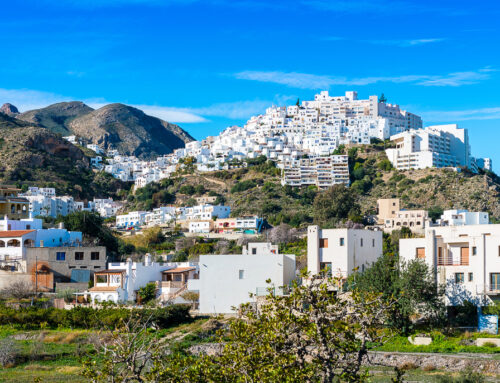
Like Mojácar Spain, the city retains a strong traditional Andalusian identity.
Popular Beach Destinations
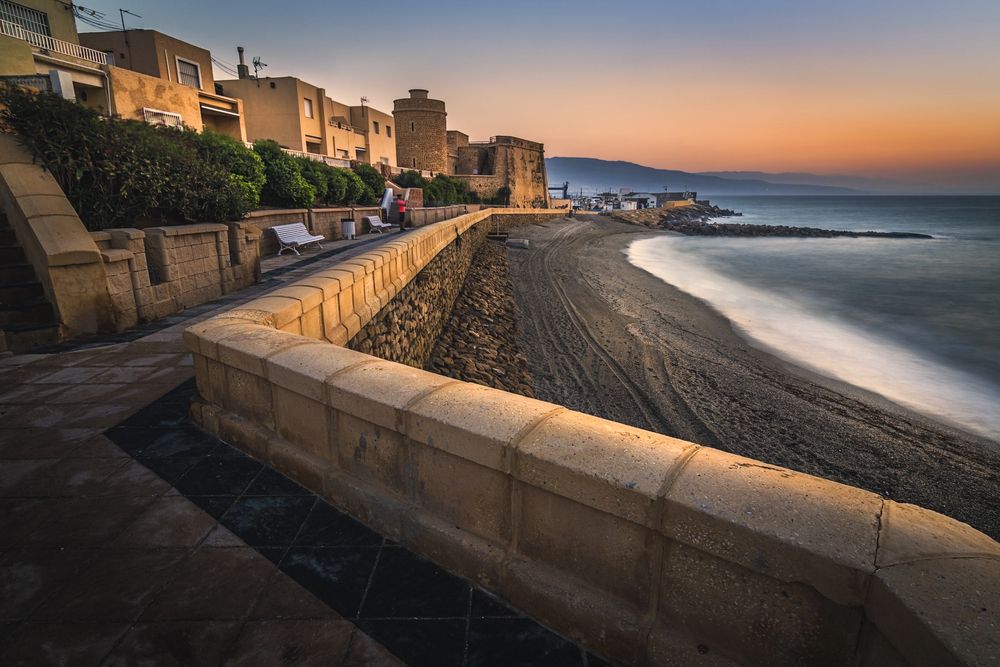
Almería is home to several popular beaches that attract both locals and tourists.
These renowned spots provide not only stunning views but also a range of facilities and activities.
The Costa del Sol Spain is an ideal destination to enjoy the sun and the beach, just an hour from Almería.
-
Playa de Levante
Playa de Levante is one of the most frequented beaches in Almería.
Stretching along the coastline, it boasts fine golden sand and crystal-clear waters. Ideal for family outings, it offers various amenities including beach bars and sunbed rentals.
The vibrant atmosphere makes it perfect for both relaxation and water sports.
-
Playa de Poniente
Located adjacent to Playa de Levante, Playa de Poniente features a more tranquil environment.
This beach is favored for its spacious shoreline and beautiful sunsets.
Visitors can enjoy leisurely strolls along the promenade or dine at nearby restaurants offering local seafood.
-
Playa de San Miguel
Known for its calm waters, Playa de San Miguel is perfect for swimming and sunbathing.
The beach is well-equipped with showers and lifeguards, ensuring a safe experience for families.
Surrounding bars and eateries enhance its appeal for a day at the beach.
Hidden Coastal Gems
For those seeking a quieter experience, Almería has numerous hidden beaches that offer a more secluded escape.
These less-crowded options are perfect for relaxing in nature.
-
Cala de Enmedio
Cala de Enmedio is a stunning cove known for its turquoise waters and rugged cliffs.
This secluded beach can be accessed by a short hike, making it a rewarding destination for nature lovers.
The lack of facilities adds to its charm, allowing visitors to connect with the natural surroundings.
-
Playa de los Muertos
Famous for its breathtaking scenery and crystal-clear waters, Playa de los Muertos is a favorite among locals.
This beach is characterized by its fine white sand and striking cliffs.
Although it requires a bit of effort to reach, the picturesque landscape is well worth the journey.
-
Cala del Plomo
Cala del Plomo is another hidden gem that offers a peaceful retreat.
Surrounded by unspoiled nature, this beach is ideal for sunbathing or snorkeling.
The excellent visibility of the underwater life attracts diving enthusiasts, making it a unique spot to explore.
Almería’s Climate
Almería has a distinct climate characterized by mild winters and hot summers, being one of the sunniest regions in Spain.
Its weather greatly influences local life, agriculture, and tourism, providing a pleasant backdrop for both residents and visitors alike.
Typical Weather Patterns
The climate of Almería is classified as semi-arid, featuring long periods of sunshine and minimal rainfall.
The following elements define the typical weather patterns:
- Summers: Summers in Almería are hot and dry, with temperatures frequently exceeding 35°C (95°F) in July and August. The coastal breezes can provide slight relief from the heat.
- Winters: Winter months are mild, with average temperatures ranging from 10°C (50°F) to 18°C (64°F). Frost is rare, and the region experiences mostly sunny days.
- Rainfall: Most of the rainfall occurs between October and April, with the wettest months being November and March. Annual precipitation is typically low, averaging around 200-300 mm.
- Humidity: Generally, humidity levels are low, which contributes to the arid feel of the climate, particularly during the summer months.
Best Times to Visit
The timing of a visit to Almería can significantly enhance the experience, taking advantage of the favourable climate.
The following periods are the most recommended:
- Spring (March to May): This season offers mild temperatures, blooming landscapes, and is ideal for outdoor activities. Daily highs range from 20°C (68°F) to 25°C (77°F), making it a pleasant time for sightseeing.
- Autumn (September to November): Similar to spring, autumn provides comfortable weather with warm days and cooler nights. It is a great period for enjoying the beaches without the summer crowds.
- Summer (June to August): While this is the hottest time of the year, many tourists enjoy the vibrant atmosphere, numerous festivals, and beach activities. Beachgoers should be prepared for the intense heat, especially in July and August.
- Winter (December to February): Although winters are mild, this period may not be ideal for those seeking beach activities. However, it is perfect for cultural tourism and exploring historical sites.
Economic Foundations
The economy of Almería is diversified, with agriculture and tourism standing out as the main pillars.
The province capitalizes on its unique climate and natural resources, establishing a robust agricultural sector while simultaneously developing a vibrant tourism and film industry.
Each of these sectors plays a crucial role in the local economy.
The Agriculture Sector
Almería is renowned for its advanced agricultural practices, particularly in the use of greenhouses.
The province is one of the leading regions in Europe for the production of fruits and vegetables, making it a vital player in the agricultural market.
The control of climate conditions through innovative farming techniques has allowed for year-round cultivation, producing high yields and excellent quality produce.
- Tomatoes
- Pimientos
- Eggplants
- Cucumbers
- Melons
These crops not only supply local and national markets but also found their way into international trade.
The agricultural sector is supported by a network of small to medium-sized family-run farms as well as larger agricultural enterprises.
This synergy between different farming operations enhances the region’s economic resilience.
Tourism and Film Industry
Tourism is a significant contributor to Almería’s economy, attracting visitors drawn by its historical sites, beautiful landscapes, and pleasant climate.
The city and its surrounding areas have become increasingly popular with both national and international tourists, thanks to their diverse attractions.
- Historic landmarks such as the Alcazaba and the Cathedral
- Stunning beaches along the Mediterranean
- Naturally preserved areas like Cabo de Gata-Níjar
The film industry also plays a distinctive role in the local economy.
Almería has been a prime location for various film productions, especially in the genres of westerns and adventure films.
The legacy of films shot in this region continues to attract cinema enthusiasts and tourists alike.
Key economic activities linked to tourism include hospitality, dining, and guided tours.
Local businesses thrive on the influx of visitors, creating job opportunities and stimulating further growth in the area.
Cultural and Festive Traditions
Almería is rich in cultural expressions and vibrant celebrations that reflect its historical roots and local customs.
These traditions are manifest in festivals and gastronomy that invite both residents and visitors to engage with the community’s heritage.
Yours Free
Please click / tap on the image below:
Major Festivals
The festival calendar in Almería is bustling with events that highlight the region’s cultural heritage.
Some of the most significant festivals include:
- Feria de Almería
Held annually in August, the Feria de Almería is a vibrant celebration that features music, dancing, and a variety of performances.
The streets come alive with locals and tourists enjoying the festivities, which include traditional dances, parades, and thrilling amusement rides.
The Andalusian and festive atmosphere shares similarities with coastal cities like Cadiz Spain.
- Semana Santa
The Holy Week is a deeply rooted tradition in Almería, attracting numerous visitors.
The processions are characterized by their solemnity and beauty, featuring elaborately decorated floats and religious imagery.
These events offer a glimpse into the local culture and spirituality, showcasing the community’s devotion.
- San Juan Festival
Celebrated in June, the San Juan Festival is marked by bonfires along the beaches.
Locals gather to celebrate the arrival of summer, lighting fires, enjoying music, and participating in traditional rituals.
The event creates a lively atmosphere with a sense of community and joy.
- Día de la Virgen del Mar
This festival, held in September, honors the patron saint of Almería, Virgen del Mar.
The event includes a maritime procession where the statue of the Virgin is carried out to sea, reflecting the city’s deep connection to its coastal heritage.
Local Gastronomy
The culinary traditions of Almería are a testament to its rich agricultural land and coastal resources.
Almería is a great destination for foodies, with a unique cuisine that is influenced by the region’s Moorish past, and a great selection of local wines, including those from the nearby region of Granada Spain.
Local cuisine emphasizes fresh ingredients and traditional recipes that have been passed down through generations.
Here are some notable dishes:
-
Pescaito Frito
A beloved local dish, pescaito frito consists of various types of fish, lightly battered and fried to perfection.
This dish epitomizes the maritime culture of Almería and is a must-try for seafood lovers.
-
Tortilla de Almería
This traditional Spanish omelette features unique ingredients that reflect local flavors.
Prepared with fresh vegetables and typically served as a tapa, it is a staple of Almerian cuisine.
-
Ejido Tomatoes
Renowned for their taste, Ejido tomatoes are a product of the region’s intensive agricultural practices.
They are often used in salads, stews, and other dishes, showcasing the emphasis on fresh produce in Almería’s gastronomy.
-
Almadraba Tuna
This traditional fishing technique, linked to Almería’s Mediterranean Coast, results in high-quality tuna that is celebrated for its rich flavor.
Almadraba tuna is often featured in local festivals and is a delicacy among gourmets.
Influence of Various Cultures
The rich cultural tapestry of Almería is significantly shaped by various historical influences.
From Islamic heritage to developments in the post-Reconquista era, each period has left an indelible mark on the city’s identity and traditions.
Islamic Heritage
The Islamic period in Almería marked a time of immense prosperity and cultural flourishing.
This era began with the city’s foundation in the 10th century under Abd al-Rahman III, who established Almería as a crucial port for trade in the Mediterranean.
During the height of Al-Andalus, Almería became a vital economic center, renowned for its silk production and skilled artisans.
The influence of Islamic architecture is evident in the construction of notable buildings, including the impressive Alcazaba.
This fortress reflects advanced engineering techniques and the aesthetic principles of Islamic design, showcasing intricate tile work and geometric patterns.
The city’s cultural landscape was enriched by the influx of scholars, poets, and philosophers from different parts of the Islamic world.
This synthesis of ideas fostered significant advancements in sciences, mathematics, and philosophy.
Post-Reconquista Developments
The fall of Almería to Christian forces in 1147 marked a transformative period.
The subsequent years saw the integration of Almería into Christian Spain, leading to profound changes in its social and cultural fabric.
Under Christian rule, many Islamic architectural elements were either repurposed or modified.
The construction of the Cathedral of Almería, built partly on the site of a former mosque, serves as a testament to this cultural amalgamation.
The Gothic-Renaissance style of the Cathedral highlights the architectural evolution that took place as different artistic influences merged.
As the Reconquista progressed, the city began to experience a slow shift in demographics, with Christian settlers arriving and Muslim populations diminishing.
Despite this transition, remnants of Islamic culture remained influential in local customs and culinary traditions.
The blending of these cultures created a unique identity for Almería that still resonates today.
Festivals, food, and art forms reflect this diverse heritage, contributing to the vibrant culture that characterizes the city.
Modern Developments and Urban Expansion
Almería has undergone significant transformation in recent years, reflecting a blend of modernity with its historical roots.
The city’s efforts towards urban expansion and infrastructure modernization have aimed to enhance both the quality of life for its residents and the experience for visitors.
Infrastructure Improvements
The local government has prioritized various infrastructure projects to accommodate the growing population and tourism industry.
Key improvements include:
- Transportation Upgrades: The enhancement of public transport services, including buses and light rail systems, facilitates easier access to various parts of the city and surrounding areas.
- Roadway Expansions: Significant roadworks have been undertaken to alleviate traffic congestion, particularly in high-density areas. These include the expansion of major avenues and the construction of bypasses.
- Public Spaces: Investments in parks and recreational areas contribute to urban greenery, providing residents and tourists with spaces for relaxation and leisure activities.
- Smart City Initiatives: The integration of technology into urban management is a priority. This includes the implementation of smart traffic lights, waste management systems, and energy-saving street lighting.
These improvements not only benefit the residents but also enhance the attractiveness of Almería as a destination for tourists seeking modern amenities alongside historical experiences.
Sustainable Initiatives
In tandem with urban expansion, Almería is committed to fostering sustainable development practices that preserve its natural resources and cultural heritage. Key initiatives include:
- Renewable Energy Projects: Investments in solar energy harness the region’s abundant sunlight, positioning Almería as a leader in renewable energy within Spain.
- Green Building Standards: New constructions are increasingly adhering to eco-friendly practices, ensuring lower carbon footprints through energy-efficient designs and materials.
- Waste Reduction Programs: The promotion of recycling and composting initiatives aims to reduce landfill usage while educating the community on sustainability.
- Water Management Solutions: Innovative irrigation techniques and the use of treated wastewater in agriculture help to combat water scarcity, a pressing concern in the region.
Through these sustainable initiatives, Almería aims to balance development with ecological preservation, ensuring a vibrant urban environment for future generations.
This commitment emphasizes the city’s role as a forward-thinking locale that honors its rich history while embracing modern values.
Almería’s Role in Andalusia
Almería plays a significant role in the cultural and economic landscape of Andalusia.
Its strategic location and rich heritage contribute to both regional development and the preservation of traditions.
Strategic Importance
Almería is strategically situated on the southeastern coast of Spain, making it an essential point of trade and transport.
The proximity to Seville Spain makes it easy to visit some of the most important cultural destinations in Andalusia.
The geographical position of this city has historically provided a gateway between Europe and Africa, facilitating cultural exchanges and commercial activities.
The Port of Almería has been vital since ancient times, serving as a conduit for goods and people.
It has helped position the city as a key player in the Mediterranean maritime routes.
The port enables the flow of agricultural products, particularly from the surrounding fertile areas where intensive farming occurs.
Economic Connectivity
- The port supports fishing and shipping industries, fostering economic development in the region.
- It facilitates trade in fresh produce, which is a major component of the local economy.
- Almería’s location attracts investment in infrastructure and tourism projects, enhancing its regional importance.
Cultural Contributions
The cultural contributions of Almería Spain to Andalusia are profound and diverse.
The city is a melting pot of influences from various civilizations, including Islamic, Christian, and indigenous traditions.
This rich cultural tapestry reflects in the local architecture, gastronomy, and festivals.
Almería is particularly known for its vibrant festivals, such as the Feria de Almería, which celebrates local traditions and draws visitors from across the region.
These events serve to reinforce community bonds and showcase the city’s cultural heritage.
Architectural Heritage
- The architectural landscape features a mix of Islamic and Renaissance styles, notably seen in structures like the Alcazaba.
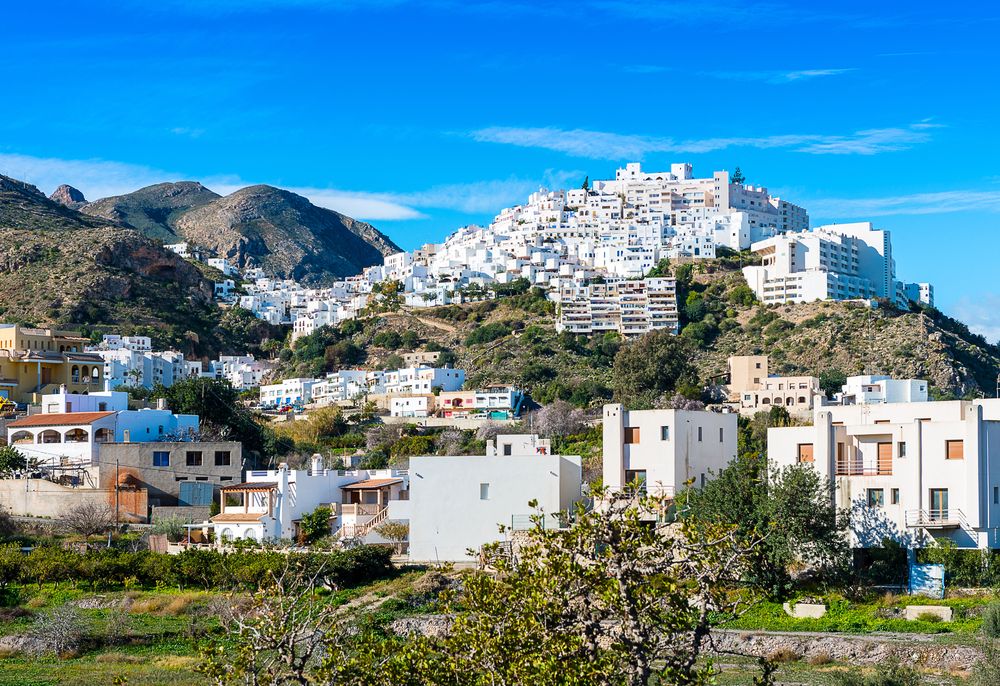
- Traditional white-washed houses and narrow streets reflect the Moorish influence, adding to the town’s character.
- Modern buildings coexist with historical ones, demonstrating the dynamic nature of the city’s cultural evolution.
Gastronomy
Almería’s cuisine embodies its cultural heritage, offering a variety of dishes that highlight local produce and seafood.
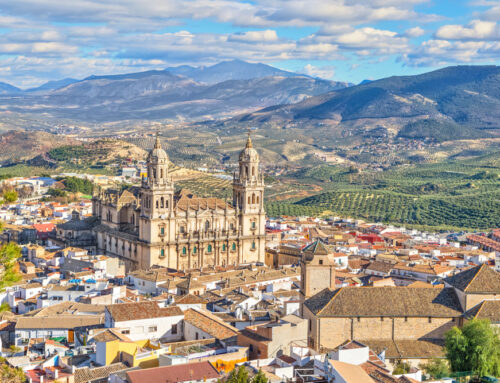
Many traditional dishes incorporate olive oil from provinces such as Jaén Spain.
Traditional meals include specialties such as ‘pescaito frito’ and ‘tortilla de Almería’, showcasing the culinary diversity influenced by its history.
The markets in Almería are vibrant, often filled with fresh produce reflecting the city’s agricultural prowess.
This culinary scene not only enhances local identity but also attracts regional tourism, further integrating Almería into the cultural fabric of Andalusia.
The Role of the Port of Almería
The Port of Almería has played a crucial role in the economic and cultural development of the region.
Historically significant for trade, it continues to influence modern commerce and tourism in the area.
Historical Trade Routes
Founded during the Islamic period, the Port of Almería quickly became a vital hub for maritime trade.
Its strategic location along the Mediterranean Sea allowed it to serve as a primary port for the exchange of goods between Europe and North Africa.
Throughout the Middle Ages, the port facilitated the export of local products, such as:
- Silk
- Oil
- Fruits and vegetables
This flourishing trade network contributed significantly to Almería’s wealth and prominence during Al-Andalus.
Merchants established robust trade routes that connected the port to major markets in the Mediterranean, making it one of the most important ports of its time.
Modern Economic Impact
In recent decades, the Port of Almería has undergone significant modernization, adapting to contemporary economic demands.
The port now accommodates a variety of activities, including commercial shipping, fishing, and leisure boating.
This diversification has led to a substantial economic impact on the region.
Key factors include:
- Commercial Shipping: The port handles a considerable volume of cargo, primarily agricultural products, which are exported to various destinations. The efficiency of logistics has improved, enhancing trade opportunities.
- Fishing Industry: A bustling fishing port, it supports local fisheries and provides a fresh supply of seafood to both national and international markets.
- Tourism Development: The port area has become a focal point for tourism, featuring promenades, restaurants, and recreational activities. This attracts visitors who wish to experience the local culture and cuisine.
The ongoing investments in infrastructure enhance the port’s capacity, ensuring its position as a key player in both regional and national economies.
The Port of Almería continues to be a vital asset, shaping the city’s identity and economic landscape.
Notable Personalities from Almería Spain
Almería has been home to a variety of significant figures across different fields, contributing to its rich cultural tapestry.
These personalities range from historical heroes to modern influencers, each leaving a lasting mark on the city and beyond.
Historical Figures
The history of Almería is intertwined with the lives of notable personalities who shaped its trajectory.
Many of these figures were influential during critical periods, including the medieval era and the Golden Age of Spanish culture.
-
Abd al-Rahman III
A pivotal figure in promoting Almería’s development, he founded the city in 955. As a caliph of Cordoba Spain, his leadership transformed Almería into a thriving commercial hub, enhancing its prosperity through trade and cultural exchange.
-
Alfonso VII
The Christian king who led the capture of Almería in 1147, Alfonso VII played a significant role in integrating the city into Christian Spain.
His reign marked a turning point for Almería, influencing its future under Christian rule.
-
Juan Goytisolo
Born in 1931, this renowned novelist and essayist is one of the most celebrated literary figures from Almería.
His works explore themes of identity, culture, and exile, reflecting his deep connection to Andalusian roots and the broader Spanish narrative.
Contemporary Influencers
In addition to historical figures, Almería has produced contemporary influencers who have gained recognition both nationally and internationally.
These individuals continue to impact various sectors, including arts, sports, and social movements.
-
Paco de Lucía
A legendary flamenco guitarist born in Algeciras, he brought significant attention to the music of Andalusia.
Though not directly from Almería, his influence permeates the region’s musical heritage, inspiring many local artists.
-
David Bisbal
This popular singer-songwriter from Almería has achieved global fame since his rise to prominence in the early 2000s.
His blend of pop and flamenco has captivated audiences worldwide, making him a cultural ambassador for Almería.
-
Rafael Martínez-Simancas
An influential politician and architect, his contributions to urban development in Almería reflect a commitment to sustainable growth.
He is recognized for advocating for community-based initiatives to enhance the quality of life in the city.
Almería in Popular Culture
Almería has made a significant mark in popular culture, particularly in film and arts.
Its unique landscapes and historic architecture have attracted filmmakers and artists alike, contributing to the city’s cultural tapestry.
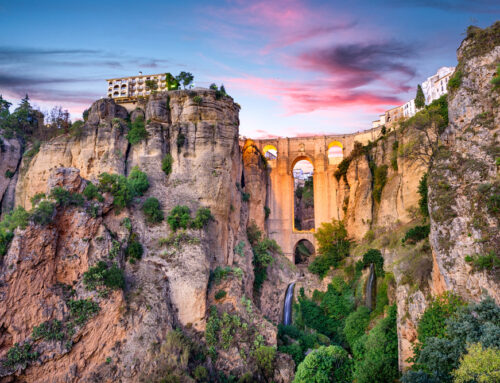
The monumental charm and historic streets are in some ways reminiscent of Ronda Spain.
Filming Locations
Almería’s diverse terrain and stunning vistas have made it a favored locale for filmmakers.
The region’s dramatic natural settings provide a backdrop that is ideal for various genres, particularly spaghetti westerns and historical dramas.
- One of the most notable films shot in Almería is “A Fistful of Dollars,” directed by Sergio Leone in the 1960s. This film launched the Spaghetti Western genre, showcasing the arid landscapes of the Tabernas Desert.
- The desert landscape has also been used in other Westerns, such as “For a Few Dollars More” and “The Good, The Bad and The Ugly,” which have become classics in film history.
- In addition to Westerns, Almería has also featured in films like “Indiana Jones and the Last Crusade,” where the breathtaking scenery contributed to the cinematic adventure.
- More recently, TV shows like “Game of Thrones” have utilized the region’s unique backdrops for their productions, further establishing Almería as a prominent filming destination.
Artistic Representations
The artistic allure of Almería Spain extends beyond cinema into various forms of art, such as painting and literature.
The city’s captivating light and contrasting colors have inspired numerous artists throughout the years.
- Many local painters have captured the essence of Almería in their works, portraying its stunning landscapes, traditional architecture, and vibrant life.
- Literature has also been influenced by Almería’s rich history and culture. Authors have drawn inspiration from the city’s past, weaving it into narratives that reflect the spirit of Andalusia.
- The annual Almería International Film Festival highlights local talent and showcases films that depict the region’s culture and history, promoting a deeper appreciation for its artistic contributions.
Recommendations for Exploring Almería
Almería offers a variety of activities and experiences for visitors seeking to discover the city and its surroundings.
The following sections provide a well-rounded insight into suggested itineraries, practical travel tips, and unique local experiences that showcase the essence of this vibrant destination.
Suggested Itineraries
Creating an itinerary for exploring Almería Spain can help maximize the experience.
Here are a few suggestions for varied trips tailored to different interests.
- Historical and Cultural Tour
This itinerary focuses on the rich history and architectural heritage of Almería.
Include visits to:
-
- The Alcazaba, exploring its impressive architecture and historical significance.
- The Cathedral of Almería, with its stunning gothic-renaissance features.
- Several museums, such as the Archaeological Museum, to learn more about the region’s past.
- Nature and Adventure Day
This option emphasizes the natural beauty surrounding Almería.
Key points include:
-
- Cabo de Gata-Níjar Natural Park, ideal for hiking and birdwatching.
- The unique landscapes of the Tabernas Desert, with options for mini-cinemas and themed parks.
- Local beaches for swimming, sunbathing, or enjoying water sports.
Gastronomic Journey
Immerse oneself in the local cuisine with visits to:
-
- Traditional tapas bars to sample local dishes.
- Markets where fresh produce and seafood are plentiful.
- Restaurants offering special tasting menus featuring regional specialties.
Travel Tips
To enhance the experience in Almería, the following travel tips are beneficial for visitors:
- Public Transportation: Familiarize with the bus routes to navigate easily. The urban transport network is convenient for reaching major attractions.
- Best Times to Visit: While Almería enjoys a warm climate year-round, planning visits in spring or fall may offer milder temperatures and fewer crowds.
- Language: Although English is widely spoken in tourist areas, learning a few basic Spanish phrases can be helpful and appreciated by locals.
- Cash and Cards: While cards are commonly accepted, carrying some cash is advisable for smaller shops and markets.
Local Experiences
Engaging with the local culture and people can greatly enrich any visit to Almería.
Here are some authentic experiences to consider:
- Participating in local festivals, such as the Feria de Almería in August, to enjoy traditional music, dancing, and gastronomy.
- Exploring the local artisan markets for handcrafted goods, especially pottery and textiles.
- Tasting the regional wines during a vineyard tour, gaining insight into the winemaking process.
- Attending a flamenco show to appreciate the passionate music and dance that is integral to Andalusian culture.
Yours Free
Please click / tap on the image below:
If you would like to read about other important points for living / moving to Spain, here are other useful articles we wrote: