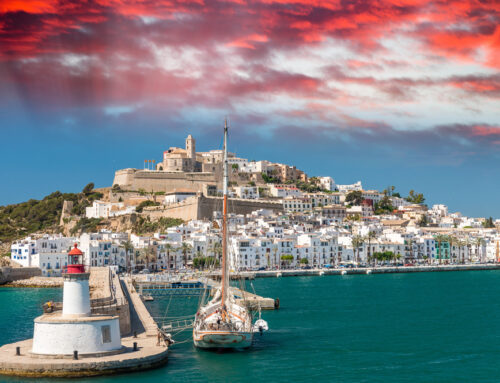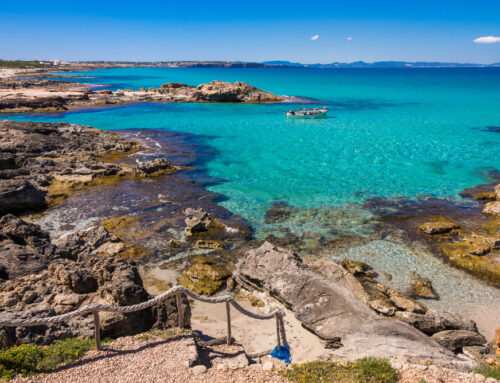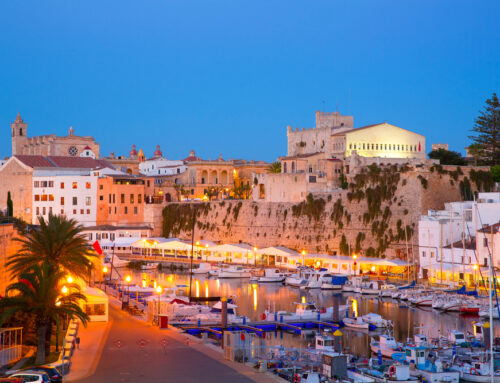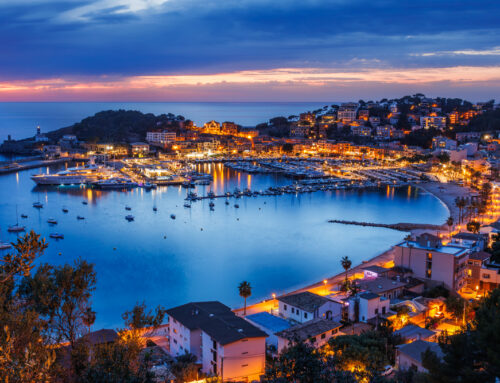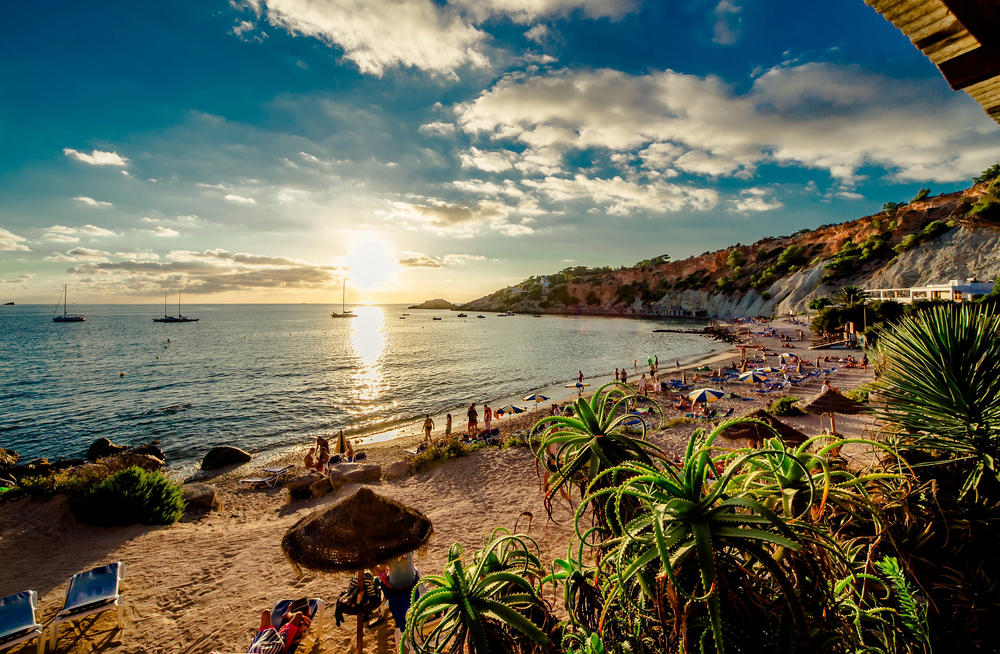
The Balearic Islands, located in the western Mediterranean, are a popular holiday destination in Spain.
This archipelago consists of several main islands, including Majorca, Menorca Spain, Ibiza, and Formentera, each offering unique attractions and experiences.
Known for their stunning beaches, vibrant nightlife, and rich culture, the Balearics attract millions of tourists each year.
The Balearic islands Spain boast a diverse landscape, from mountainous regions to serene coastal areas, making them ideal for various outdoor activities.

Before we start… Yours Free
Please click / tap on the image below:

Geography of the Balearic Islands Spain
The Balearic Islands are located in the western Mediterranean Sea, characterised by stunning landscapes and diverse geographical features.
This archipelago consists of several islands, each with unique qualities and proximity to one another.
Major Islands and Proximity
Majorca (Mallorca) Overview
Majorca Spain, the largest of the Balearic Islands Spain, dominates the archipelago in both size and population.
It boasts a varied landscape, featuring mountains in the northern region, including the Tramuntana range, and picturesque coastlines dotted with numerous coves.
Majorca’s capital, Palma, is a bustling city known for its historical sites, vibrant culture, and modern attractions.
Menorca Overview
Menorca, known for its tranquil ambiance and natural beauty, is the second largest island in the group.
It features a flatter terrain compared to Majorca, with sandy beaches and rugged cliffs.
Menorca is recognised for its rich archaeological sites, reflective of its long history, and is less commercialised, making it ideal for those seeking a quieter retreat.
Ibiza and Formentera Overview
Ibiza Spain is renowned worldwide for its vibrant nightlife and party scene, attracting visitors seeking entertainment and social experiences.
However, the island also offers beautiful landscapes and tranquil beaches for those looking for relaxation.
Formentera, the smallest inhabited island in the archipelago, is famous for its stunning beaches with crystal-clear waters, making it a popular day trip destination from Ibiza.
Climate and Weather Patterns
Year-Round Tourism
The Balearic Islands enjoy a Mediterranean climate, characterised by hot, dry summers and mild, wet winters.
This pleasant climate supports year-round tourism, with visitors drawn to the islands not only during the summer months but also in the shoulder seasons of spring and autumn, when the weather is still favourable for outdoor activities and sightseeing.
Seasonal Weather Influences
Throughout the year, the islands experience a range of weather patterns.
In summer, temperatures can soar above 30°C, encouraging beach activities and outdoor celebrations.
Conversely, winter months are milder, with average temperatures around 10°C to 15°C, although occasional rainfall can be expected.
Spring and autumn transition periods present a mix of mild temperatures and pleasant conditions, ideal for hiking and exploring the islands’ cultural offerings.
Historical Context
The historical narrative of the Balearic Islands Spain reflects a tapestry woven from diverse cultures and civilisations throughout the ages.
Each period left an indelible mark, shaping the identity and heritage of the islands.
Ancient Inhabitants and Civilisations
The earliest known occupants of the Balearic Islands date back to prehistoric times, with evidence suggesting settlement by the Talaiotic culture around 2000 BCE.
These early inhabitants are notable for their unique megalithic constructions and complex burial practices.
As the centuries progressed, the islands became a melting pot of cultures due to their strategic Mediterranean location.
The Phoenicians arrived around the 9th century BCE, establishing trade routes and settlements.
They were followed by the Carthaginians, who recognised the islands’ advantages for military and commercial purposes.
The Roman period marked a significant era in the islands’ history.
The Balearic Islands Spain were incorporated into the Roman Empire, predominantly due to their skilled slingers, who were highly valued in military contexts.
The Romans influenced local infrastructure, language, and governance, leaving a lasting legacy that can still be seen today.
Roman and Byzantine Influence
Roman rule lasted for several centuries, during which time the islands flourished economically and culturally.
The Romans constructed roads, aqueducts, and buildings that significantly improved urban life.
Majorca and Menorca served as important military garrisons and centres of administration.
Following the decline of the Roman Empire, the Byzantine Empire took control of the Balearic Islands in the 5th century CE.
The Byzantine period saw the continuation of Roman laws and customs while introducing Eastern Christian influences.
This mixed heritage contributed to the islands’ cultural complexity, paving the way for further conquests.
The influences of these diverse historical periods are evident in the islands’ architecture, language, and traditions, offering a rich historical context that shapes the present-day Balearic Islands.
Cultural Highlights
The Balearic Islands boast a vibrant culture shaped by a rich history and diverse influences.
From unique languages to delectable cuisine and lively festivals, the islands provide an array of cultural experiences that reflect their heritage.
Language and Traditions
The official languages of the Balearic Islands Spain are Catalan and Spanish, with Catalan being the predominant language in daily interactions.
The variety of dialects spoken, such as Mallorquin in Majorca and Menorquin in Menorca, highlights the islands’ linguistic diversity.
These languages are not just means of communication; they embody the rich traditions and customs of the islands.
Traditional practices are deeply rooted in the life of the Balearic people, evident in their artisanal crafts, music, and dance.
Folk music, often featuring instruments like the ‘xeremía’ (a type of bagpipe), accompanies local festivals and celebrations, preserving the islands’ intangible heritage.
Gastronomy and Local Delicacies
The culinary landscape of the Balearic Islands is a true reflection of its history and geography.
The cuisine combines Mediterranean flavours with local ingredients, creating a distinct gastronomic identity.
Fresh seafood, locally farmed vegetables, and artisanal products play a central role in many dishes.
Iconic Balearic Dishes
- Ensaimada: A sweet pastry originating from Majorca, this light and fluffy spiral-shaped delight is often enjoyed for breakfast or as a snack.
- Sobrassada: A spicy cured sausage made from ground pork and seasoned with paprika, sobrassada is a staple in Balearic culinary tradition.
- Frit Mariner: A traditional seafood dish that includes a rich mix of fish and shellfish, typically served with a spicy tomato sauce.
- Pa Amb Oli: A simple yet flavorful dish consisting of rustic bread topped with local cheeses, cured meats, and drizzled with olive oil.
Festivals and Celebrations
The Balearic Islands Spain celebrate a variety of festivals throughout the year, showcasing their vibrant culture and traditions.
These events often have deep historical roots and are characterised by street parades, traditional music, and local cuisine.
One significant festival is the Fira de Sant Joan, celebrated in June on the summer solstice.
This event includes bonfires, fireworks, and processions, marking the arrival of summer and driving away evil spirits. Another prominent celebration is the Nit de Sant Joan, a lively night filled with feasting, music, and festivities that draws both locals and tourists alike.
The Festes de la Mare de Déu d’Agost in Minorca is another highlight, featuring parades, horse riding displays, and traditional music, all paying homage to the Virgin Mary.
These festivals reflect the islands’ strong community spirit and commitment to preserving their rich cultural heritage.
Tourism in the Balearic Islands
The Balearic Islands offer an exceptional tourism experience, with a blend of stunning coastal landscapes, vibrant culture, and numerous activities for every type of traveller.
The islands have become a favourite destination for holidaymakers seeking both relaxation and adventure.
Major Tourist Attractions
The Balearic Islands are home to a myriad of attractions that cater to diverse interests.
Natural beauty, historical sites, and lively entertainment options abound, ensuring that visitors are never short of activities.
- Beaches: Renowned for their crystal-clear waters, the beaches of Majorca, Menorca, Ibiza, and Formentera Spain provide sun-soaked relaxation.
- Historical Sites: Ancient ruins, charming villages, and architectural masterpieces, such as the Almundena Monastery, represent the rich history of the islands.
- Nightlife: Ibiza is famous for its vibrant nightlife scene, featuring world-class clubs, music festivals, and beach parties.
- Natural Parks: Nature enthusiasts can explore areas like the Cabrera Archipelago National Park, known for its spectacular marine biodiversity and hiking trails.
Accommodations and Hospitality
The Balearic Islands Spain offer a wide range of accommodation options to suit various budgets and preferences.
From luxurious resorts to charming guesthouses, visitors can find their ideal place to stay.
Formentera Hotels
Formentera, the tranquil neighbour of Ibiza, boasts an array of accommodations that reflect its laid-back charm.
Beachfront hotels, boutique lodgings, and private villas are accessible, providing stunning sea views and easy access to pristine beaches.
Many hotels focus on sustainability, accommodating eco-conscious travellers while ensuring comfort and service.
Yours Free
Please click / tap on the image below:
Unique Stays in the Balearics
For those seeking distinctive experiences, the Balearics also offer unique accommodation options.
From traditional finca-style homes, which feature authentic rustic decor, to converted lighthouses and luxury glamping sites, these alternatives provide unforgettable stays.
Some places integrate local culture and provide opportunities for guests to immerse themselves in the island’s lifestyle.
Transportation and Accessibility
Moving around the Balearic Islands Spain is facilitated by a well-developed transport network, ensuring easy access to attractions and neighbouring islands.
Ferries Between Mallorca and Other Islands
For those wishing to explore multiple islands, ferries operate frequently between Mallorca Spain and its neighbours.
The ferry services are reliable and provide a scenic way to travel, with routes linking Majorca, Menorca, Ibiza, and Formentera.
The journey offers the chance to enjoy picturesque views of the Mediterranean Sea.
Flights and Local Transport Options
Air travel is another convenient option, with numerous direct flights connecting the islands to major cities across Europe.
Once on the islands, local transport is readily available, including buses, taxis, and car rentals.
Many areas encourage walking or cycling, especially in coastal towns, providing an ideal way to explore and appreciate the breathtaking surroundings.
Economy and Development
The economy of the Balearic Islands Spain is characterised by a heavy reliance on tourism, alongside a range of traditional and modern industries.
Over the years, this reliance has shaped the economic landscape of the islands, prompting both challenges and opportunities for sustainable development.
The Role of Tourism
Tourism is the backbone of the Balearic economy.
Millions of visitors flock to the islands each year, drawn by their stunning natural beauty, vibrant cultural scene, and rich history.
The influx of tourists significantly boosts local economies, generating employment across various sectors including hospitality, retail, and entertainment.
This influx creates substantial income, with many local businesses thriving on the continuous stream of visitors.
However, it also raises concerns regarding the sustainability of such growth, particularly in peak seasons when the islands experience overcrowding.
Agriculture and Local Industries
Although tourism dominates the economy, agriculture remains a vital part of the Balearic Islands’ heritage.
Local produce includes a variety of agricultural goods such as olives, grapes, and fresh vegetables.
Traditional farming practices, while dwindling, still hold cultural significance and contribute to the island’s unique culinary identity.
- Wine production, particularly on Mallorca and Menorca, has seen a resurgence with local wineries gaining recognition.
- Farming of almonds and carob has become increasingly popular due to their ecological benefits and demand in health-conscious markets.
Other vital local industries include artisanal crafts, notably handmade textiles and traditional leather goods.
These practices not only offer economic benefit but also play a crucial role in sustaining cultural traditions.
Sustainability and Environmental Initiatives
In recent years, there has been growing awareness and action towards sustainability in the Balearic Islands Spain, driven by the need to protect the islands’ unique ecosystems.
Local government and community initiatives focus on promoting environmentally friendly practices across various sectors.
Conservation Projects
Several conservation projects have been launched aimed at protecting endemic species and preserving natural habitats.
These projects not only focus on flora and fauna but also seek to rehabilitate areas affected by tourism and development.
- The establishment of protected areas, such as the Cabrera Archipelago National Park, is fundamental to conserving marine biodiversity.
- Reforestation efforts aim to restore native vegetation and reduce the impact of invasive species.
Eco-Friendly Tourism Efforts
To combat the detrimental effects of mass tourism, initiatives promoting eco-friendly tourism are being encouraged.
These initiatives include:
- Encouraging visitors to use public transport and cycling to explore the islands, thereby reducing carbon footprints.
- Promoting local businesses that adhere to sustainability practices, such as using locally sourced materials and offering organic food options.
- Implementing measures to control water usage and waste management in tourist areas.
The islands are increasingly recognised for their commitment to sustainable tourism practices.
Engaging tourists in conservation efforts fosters a deeper connection to the environment, ultimately ensuring the preservation of the islands for future generations.
Natural Wonders and Outdoor Activities
The Balearic Islands are renowned for their breathtaking natural landscapes and opportunities for outdoor exploration.
From stunning coastal views to rugged trails, these islands offer a wealth of experiences for nature enthusiasts and adventure seekers.
Coastal Landscapes and Beaches
The coastline of the Balearic Islands spans over 1,428 kilometres, showcasing some of the most beautiful beaches in the Mediterranean.
Each island presents a unique selection of sandy shores and rocky cliffs, perfect for relaxation and exploration.
- Majorca: Home to famous beaches such as Playa de Palma and Cala Millor, Majorca’s coastline features a mix of lively resorts and secluded coves. The Serra de Tramuntana mountain range provides dramatic backdrops for several scenic beaches.
- Menorca: Known for its unspoiled beaches, Menorca boasts pristine stretches like Cala Mitjana and Son Bou. The island is also home to charming fishing villages that enhance its natural attractiveness.
- Ibiza and Formentera: Ibiza offers vibrant beach clubs and stunning beaches like Cala Comte, while Formentera is famed for its crystal-clear waters and white sandy beaches, including Playa de Ses Illetes.
Hiking and Nature Trails
For those who appreciate hiking, the Balearic Islands present an array of trails suited to various skill levels.
The diverse terrain provides both exhilarating challenges and peaceful walks surrounded by nature.
- Majorca: The GR221, also known as the Dry Stone Route, is a popular hiking trail that traverses the breathtaking landscapes of the Tramuntana mountains, ideal for avid hikers.
- Menorca: The Camí de Cavalls is a historic path encircling the island, offering stunning coastal views and insights into Menorca’s rich natural heritage.
- Ibiza: Ibiza’s more rural areas reveal paths that lead through lush countryside and dramatic cliffs, with trails offering views over the azure sea.
Marine Life and Diving Spots
The waters surrounding the Balearic Islands Spain are teeming with marine biodiversity, making them an ideal destination for diving and snorkelling enthusiasts.
The clear waters are home to vibrant sea life and intriguing underwater landscapes.
- Diving Sites: Popular diving locations like the Marine Reserve of Cabrera and the underwater caves around Ibiza provide profound opportunities to explore colourful coral reefs and diverse marine species.
- Snorkelling: For those preferring a more relaxed approach, many beaches in Formentera and Menorca offer shallow waters perfect for snorkelling, showcasing the exquisite marine life close to the shore.
- Kayaking: Sea kayaking around the coastline allows for an intimate encounter with the natural beauty of the Balearic Islands, with the chance to discover hidden coves and remote beaches accessible only by water.
Tips for Visitors
Visiting the Balearic Islands offers a blend of stunning landscapes and rich culture.
Here are some essential tips to enhance the experience during a trip to these beautiful islands.
Best Times to Visit
The Balearic Islands enjoy a Mediterranean climate, making them attractive year-round.
However, the ideal times to visit are generally in spring (April to June) and autumn (September to October).
During these months, the weather is pleasant, and the islands are less crowded compared to the peak summer season.
- Spring: Ideal for outdoor activities and sightseeing, with blooming flowers enhancing the landscape.
- Summer: Although it is peak tourist season with vibrant nightlife and events, high temperatures and crowded beaches are common.
- Autumn: The weather remains warm, making it perfect for beach visits and exploring cultural sites.
- Winter: Typically mild, but some attractions may have limited hours, and certain tourist facilities close.
Cultural Etiquette and Customs
Understanding the local customs can significantly enhance interactions with residents.
The Balearic Islands exhibit a unique blend of Catalan and Spanish cultures.
Familiarity with the local language and traditions fosters goodwill.
- Language: Catalan is widely spoken alongside Spanish. Basic phrases in either language can go a long way.
- Dining Etiquette: Mealtimes are generally later than other parts of Europe. Dinner is typically served after 9 PM. Tipping is appreciated but not mandatory, around 5-10% is common.
- Dress Code: Beachwear is suitable by the sea, but it is advisable to dress more formally in town, especially in restaurants.
- Cultural Sensitivity: Respect for local customs, especially during festivals and religious events, is essential.
Essential Packing Advice
Packing smart for a visit to the Balearic Islands ensures comfort and preparedness for various activities.
The islands have a laid-back vibe, so it’s important to bring appropriate clothing and essentials.
- Clothing: Light, breathable fabrics for daytime, along with warmer layers for evenings, especially in spring and autumn.
- Footwear: Comfortable walking shoes are crucial for exploring towns and nature trails, while flip-flops are suitable for the beach.
- Sun Protection: Sunscreen, hats, and sunglasses are necessary for sun protection, especially in summer.
- Swimwear: Multiple swimsuits can be useful to enjoy the beach comfortably throughout the day.
- Travel Essentials: A reusable water bottle helps stay hydrated, and a power adapter may be needed for electronic devices.
Yours Free
Please click / tap on the image below:
If you would like to read about other important points for living / moving to Spain, here are other useful articles we wrote: