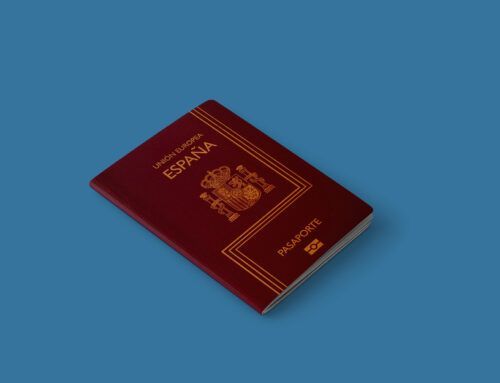
The Digital Nomad Visa in Spain offers remote workers an opportunity to live and work in the country while employed by non-Spanish companies.
This visa is part of Spain’s efforts to attract skilled professionals and promotes a flexible lifestyle.
This article explores the key aspects of the Digital Nomad Visa, including eligibility criteria, application processes, and necessary documentation.
Understanding these elements is crucial for anyone considering the digital nomad visa Spain for their remote work plans.

Before we start… Yours Free
Please click / tap on the image below:

Understanding the Concept of the Digital Nomad Visa Spain
The Digital Nomad Visa offers an innovative solution for individuals seeking to blend work and travel. This section elaborates on its definition, purpose, and the advantages it provides to remote workers.
Definition and Purpose
The Digital Nomad Visa is a legal provision intended for remote workers wishing to reside in a foreign country while continuing their employment with companies based outside that country.
It was established to address the growing trend of remote work, enabling professionals to experience new cultures, environments, and work settings.
The primary purpose of the visa is to attract skilled individuals to live temporarily in a host country, in this case, Spain, without competing in the local job market.
By doing so, countries aim to stimulate local economies and foster diversity. This visa also facilitates the integration of remote workers into the local community while allowing them to maintain their primary employment abroad.
Key Benefits for Remote Workers
Obtaining a Digital Nomad Visa comes with numerous benefits for remote workers, enhancing both their personal and professional lives. The advantages include:
- Flexibility: The visa allows individuals to work from various locations, offering the freedom to explore new environments while fulfilling job responsibilities.
- Cultural Experience: Living in a foreign country provides opportunities for cultural immersion, allowing workers to experience local customs, cuisine, and traditions first-hand.
- Network Expansion: Digital nomads often meet like-minded professionals, facilitating networking opportunities that can lead to collaborations, partnerships, and friendships.
- Access to a New Market: Being based in another country enables workers to gain insights into new markets, which could be beneficial for their professional growth and understanding of global trends.
- Tax Entitlements: Depending on the host country’s laws, digital nomads may benefit from various tax agreements and incentives aimed at attracting foreign talent.
Overall, the Digital Nomad Visa enhances the lifestyle and work experience of remote professionals, making it an appealing option in today’s digital workforce landscape.
Legal Framework in Spain
The legal framework governing the Digital Nomad Visa in Spain is part of a broader initiative to enhance the country’s appeal as a destination for remote workers and entrepreneurs. This framework provides clarity on the regulatory environment and procedural aspects relevant to potential applicants.
Introduction to Spain’s Startup Act
The Startup Act was introduced to foster innovation, encourage entrepreneurship, and attract foreign investment.
This legislative framework aims to stimulate economic growth by supporting new business ventures and integrating technology into the Spanish economy.
It provides a range of benefits, including financial incentives, simplified administrative procedures, and enhanced access to funding for start-ups.
The Act also seeks to create a welcoming environment for foreign talent, which is crucial for the success of these new enterprises.
Central to this initiative is the aim to make Spain a hub for digital nomads and tech-savvy professionals who can contribute their skills and experience.
Role of the Digital Nomad Visa within the Act
Within the context of the Startup Act, the Digital Nomad Visa serves as a specific tool designed to facilitate the entry and stay of remote workers in Spain.
Its primary function is to enable non-EU citizens to live in Spain while working for companies located outside the country.
This visa aligns with the broader objectives of the Startup Act by promoting a diverse workforce and fostering a culture of innovation.
It accentuates Spain’s commitment to recognising the growing trend of remote work and the need for suitable regulatory measures to support it.
- The Digital Nomad Visa supports the creation of a vibrant community of remote workers in urban centres, enhancing local economies.
- It encourages collaboration between domestic and international professionals, fostering knowledge exchange and networking opportunities.
- The framework provides essential legal protections for digital nomads, ensuring that their rights are upheld while residing in Spain.
In summary, the integration of the Digital Nomad Visa within Spain’s Startup Act exemplifies the country’s efforts to adapt to the evolving landscape of work.
This legislative framework not only addresses the needs of remote workers but also contributes to the overall economic development of Spain, making it an attractive destination for international talent.
Eligibility Criteria for Applicants
Understanding the eligibility criteria for the Digital Nomad Visa is essential for potential applicants. It outlines who is suitable to apply and the professional qualifications required for successful submission.
Who Can Apply?
The Digital Nomad Visa in Spain is available to individuals who meet specific conditions. Primarily, it is targeted at non-EU citizens, ensuring that the visa attracts global talent to the Spanish workforce.
To qualify, applicants must satisfy several key criteria including:
- Applicants must be citizens of countries outside the European Union or the European Economic Area.
- While there are no explicit restrictions for citizens from countries like the USA, Canada, and Australia, it is advisable to confirm eligibility beforehand.
- Individuals should have a stable source of income derived from employment or freelance work that does not involve clients or companies based in Spain.
Required Work and Professional Background
A significant aspect of eligibility revolves around the applicant’s professional background.
The visa is designed for those engaged in remote work, ensuring they possess the qualifications and employment necessary to support themselves in Spain.
Key requirements include:
- Applicants must have been employed or working as freelancers for at least three months prior to applying.
- Verification of employment or freelance contracts demonstrating stability in their work is crucial.
- The applicant should be able to furnish documentation that confirms the nature of their remote work arrangement, outlining the client’s location as outside of Spain.
Overall, having a solid professional foundation and meeting the requirements effectively establishes an applicant’s eligibility for the visa, facilitating a smoother process for living and working remotely in Spain.
Yours Free
Please click / tap on the image below:
Spain Digital Nomad Visa Requirements
The requirements for the Spain Digital Nomad Visa are essential for ensuring that applicants meet the necessary criteria to live and work remotely in Spain. Below are the key elements that potential candidates must address.
Income Threshold and Financial Proof
One of the primary requirements for the Digital Nomad Visa is demonstrating sufficient income to support oneself during the stay in Spain. The set income threshold is €2,400 per month, which corresponds to 200% of the Spanish minimum wage. This figure ensures that applicants can cover living expenses while residing in the country.
If the applicant plans to bring family members, additional financial requirements will apply. Specifically, for each accompanying family member, an extra 75% of the minimum wage must be added for the first person, with a further 25% for each additional dependent.
- Proof of income may include:
- Pay slips or bank statements from recent months.
- Tax returns that reflect annual earnings.
- Official offer letters or contracts that specify salary details.
- Freelancers should provide contracts or documentation proving ongoing income.
Proof of Remote Work Arrangement
Applicants must substantiate their ability to work remotely. This typically involves providing documentation that shows a clear and stable work arrangement with a non-Spanish company.
- Acceptable forms of proof include:
- Employment contracts that clearly indicate the nature of remote work.
- Letters from employers affirming the flexibility to work from abroad.
- Freelancers may submit client contracts that specify the work to be performed remotely.
Additionally, it is vital that the applicant has been engaged in their current role for at least three months before applying. This will further confirm the stability of the employment situation.
Documenting Work History
In tandem with proof of income and remote work arrangements, documenting work history is crucial. Applicants will need to demonstrate a consistent work background relevant to their current role.
- Documentation may include:
- Curriculum vitae or résumé outlining work experience.
- References or letters from previous employers highlighting accomplishments and roles.
- Any additional certifications or training documentation relevant to the current profession.
This comprehensive work history will help emphasise the applicant’s qualifications and reliability as a remote worker in Spain. Meeting these requirements is a pivotal step towards obtaining the Digital Nomad Visa successfully.
Spain Digital Nomad Visa Application Process
The application process for the Spain Digital Nomad Visa involves a series of important steps that must be followed to ensure a successful outcome. Each stage of the application requires careful preparation and submission of specific documentation.
Step-by-Step Guide to the Application
The first step in applying for the Spain Digital Nomad Visa involves gathering the necessary documents and ensuring that all criteria are met. The following steps outline the application process:
- Research Requirements
Understanding the requirements for the visa is crucial. Applicants should research their eligibility and ensure they meet all conditions before proceeding.
- Collection of Documentation
Compile all necessary documents, including proof of remote work, income verification, health insurance, and a criminal record certificate.
- Completion of Application Form
Fill out the application form accurately, providing all required information and ensuring clarity in each section.
- Submission of Application
Submit the completed application and all accompanying documents to the designated consulate or embassy.
- Awaiting Assessment
After submission, the authorities will review the application. Be prepared for any requests for additional information during this period.
- Receipt of Visa
If approved, the applicant will receive the visa, allowing them to live and work in Spain as a digital nomad.
Where to Submit Your Application
Applications should be submitted at the Spanish consulate or embassy in the applicant’s home country.
In cases where an individual is already in Spain as a tourist, they may submit their application within the country.
It is advisable to contact the consulate beforehand to clarify submission procedures and required appointments.
Timeline and Processing Period
The processing time for the Spain Digital Nomad Visa can vary significantly based on several factors, including the consulate’s workload and the completeness of the application submitted. Generally, applicants can expect:
- Initial Processing Duration
The initial assessment may take anywhere from a few weeks to several months. It is important to plan accordingly, especially if there are upcoming travel plans or job start dates.
- Notification of Approval
Once the review is complete, applicants will be notified of the outcome. This could include requests for additional documents or clarification on certain details.
- Total Application Timeline
From the moment of application submission to the receipt of the visa, the entire process typically spans anywhere from one to three months depending on various factors.
Necessary Documents for Application
Gathering the necessary documents is a crucial part of applying for the visa. A well-prepared application can significantly enhance the chances of approval. The following subsections outline the essential documents required for the application process.
Passport, Photos, and Identification
The first requirement is a valid passport, which serves as the primary identification document. Applicants must ensure that their passport:
- Is original and has a validity of at least one year.
- Contains copies of the pages with biometric data.
In addition to the passport, a recent colour photograph is necessary. This photograph should be:
- In passport size dimensions.
- Clear, with no shadows or obstructions.
- Taken within the last six months to reflect the applicant’s current appearance.
Beyond the passport and photographs, valid identification documents must be included. These can consist of:
- A national identity card, if applicable.
- Any additional form of identification that verifies the applicant’s identity.
Employment and Income Verification
Demonstrating employment and income stability is a key part of the application. Applicants need to provide documentation to verify their current employment status. This typically includes:
- A signed employment contract or a freelance agreement that confirms the nature of the work.
- Proof of employment with a foreign company, showing that the applicant is not seeking employment with a Spanish company.
Furthermore, financial documents should indicate that the applicant meets the income threshold. This entails:
- Recent payslips, preferably for the last three months.
- Bank statements verifying consistent income deposits.
- Tax returns or relevant tax documentation to confirm earnings, where necessary.
Proof of Health Insurance
Health insurance is an indispensable requirement for applicants wishing to obtain the visa. The insurance must meet specific criteria to align with Spanish regulations. Key points about the health insurance requirement include:
- The insurance should cover all medical eventualities, equivalent to the coverage of Spain’s public health system.
- It must be valid for the duration of the visa and provide coverage throughout the applicant’s stay in the country.
- Documentation proving the insurance policy, including terms and conditions, should be provided.
It is advisable to ensure that the health insurance provider is reputable and that all documents are translated into Spanish if necessary.
Understanding the Application Form
The application form for the Digital Nomad Visa is a pivotal part of the process. It requires attention to detail and careful consideration to ensure successful submission. Understanding each section and avoiding common pitfalls can significantly enhance the likelihood of approval.
Key Sections of the Form
The application form is structured into several key sections, each designed to collect specific information relevant to the applicant. A thorough understanding of these sections is vital.
- Personal Information
This section typically requires the applicant’s name, address, nationality, and contact details. Providing accurate information is crucial, as discrepancies can lead to delays or denials.
- Employment and Financial Information
Applicants need to indicate their employment status and details regarding their income. This includes the nature of their work, employer information, and proof of income documentation to prove financial stability.
- Proof of Remote Work
In this section, candidates must describe their remote work arrangements. Documentation, such as contracts or letters from employers, should affirm the legitimacy of their remote working setup.
- Health Insurance Details
Applicants should include information about their health insurance policy. This must meet the standards set by Spanish authorities, offering adequate coverage during their stay.
- Criminal Record Information
Applicants are required to declare any previous criminal convictions. Ensuring accuracy is essential in this section, as it confirms the individual’s legal standing.
Common Mistakes to Avoid
While completing the application form, applicants often encounter several common pitfalls that can hinder their chances of approval.
- Inaccurate Information
Providing incorrect or inconsistent data across sections can raise red flags during the review process. It is critical to cross-check all information for accuracy.
- Insufficient Documentation
Failure to provide adequate proof of income, employment, or health insurance can lead to application rejection. Thoroughly reviewing the required documentation beforehand is advisable.
- Neglecting the Signature
Forgetting to sign the application form can result in delays. Applicants must ensure that all necessary signatures are present before submission.
- Overlooking Submission Guidelines
Each embassy or consulate may have specific submission guidelines that vary. Ignoring these guidelines can lead to complications or additional requests for information.
Criminal Record Certificate Requirement
Obtaining a Criminal Record Certificate is a crucial part of the application process. This document serves as proof of a clean legal background, ensuring that applicants have not committed any crimes in the last five years, a requirement for securing the visa.
How to Obtain a Criminal Record Certificate
To acquire a Criminal Record Certificate, individuals must follow specific procedures depending on their country of origin. The process typically involves:
- Contacting the relevant police authority or governing body that issues criminal records.
- Providing personal information such as full name, date of birth, and, in some cases, identification documents.
- Submitting a formal application, which may include a fee for processing.
- Awaiting the processing time, which can vary greatly depending on the jurisdiction.
It is advisable to check the official government website for the most accurate and up-to-date guidance on the application process in each specific country. Upon receipt, the certificate should be carefully checked for accuracy before translation.
Yours Free
Please click / tap on the image below:
Importance of Official Translation
For applicants whose Criminal Record Certificates are not in Spanish, an official translation is mandatory. Providing an accurately translated document ensures that relevant authorities can assess the certificate properly. Key points regarding this requirement include:
- The translation must be carried out by a certified translator or translation agency.
- It is important that the translation includes all details as they appear on the original document.
- In some instances, the translation may also need to be notarised to confirm its authenticity.
Failure to provide a properly translated Criminal Record Certificate can result in delays or even rejection of the visa application. Therefore, attention to detail during this step is paramount to ensure compliance with the legal requirements.
Family Members and Accompaniments
Including family members in the Digital Nomad Visa application can significantly enhance the experience of living and working in Spain. Understanding the requirements for bringing family along is essential for a smooth transition.
Including Family in the Application
The Digital Nomad Visa in Spain acknowledges the importance of family unity, allowing primary visa holders to include certain family members in their application. This provision aims to support a stable environment for remote workers, promoting a better quality of life.
Family members eligible to accompany the primary applicant typically include:
- Spouse or registered partner
- Dependent children under the age of 18
- Dependent adult children who are studying or have specific needs
To include family members in the application, the primary applicant must provide proof of relationship. This often requires official documentation such as marriage certificates or birth certificates, with translations into Spanish if not originally in the language. It is crucial to ensure that all documents are correctly formatted and certified to avoid delays.
Additional Requirements and Costs
When applying for a Digital Nomad Visa with accompanying family members, there are additional requirements that need to be addressed. These typically include:
- Proof of sufficient income to support the entire family during their stay in Spain, often requiring a higher income threshold compared to the primary applicant alone.
- Health insurance that covers all family members during their time in Spain. The insurance must align with Spanish regulations and provide adequate medical coverage.
- Individual applications for each family member included, each requiring various forms of identification and supporting documents.
Costs may also increase with the inclusion of family members. Applicants should consider the following potential expenses:
- Visa application fees for each additional family member.
- Costs associated with obtaining required documents, such as translations, notarisation, and legalisation.
- Insurance premiums that will cover all accompanying family members adequately.
Being well-prepared and informed about these additional requirements and costs can help facilitate a successful application process for families looking to start a new life in Spain.
The Role of the Consulate in Applications
The consulate plays a crucial role in the application process for the Digital Nomad Visa in Spain. It serves as a vital point of contact for applicants and offers necessary support throughout the procedure.
Consular Processing and Support
When applying for the Digital Nomad Visa, consular processing is an essential step. The consulate is responsible for evaluating applications and ensuring that all required documents are present. They play a critical role in verifying the authenticity of the submitted materials.
Support from the consulate can significantly ease the application journey. They provide guidance on:
- The necessary documents required for submission.
- Understanding the application form and its specific sections.
- Monitoring the progress of the visa application.
Consulates can also assist in addressing any issues that may arise during the application process. This may include requests for additional documentation or clarification on specific requirements.
Dealing with Consular Queries
Applicants may have questions or concerns regarding their applications. The consulate acts as the primary source of information for addressing these queries. It is advisable to reach out to the consulate directly for clarity on any uncertainties.
Common queries may include:
- Clarification on document requirements.
- Estimated timelines for processing.
- Procedures if an application is rejected.
Prompt communication with the consulate can help applicants navigate their concerns more effectively. It is beneficial to document any interactions with consulate officials for future reference.
Spain Digital Nomad Visa Cost and Fees
The cost of obtaining a Spain Digital Nomad Visa involves several components that prospective applicants need to consider. It is essential to budget appropriately for these expenses, as they can vary based on personal circumstances and additional requirements.
Breakdown of the Visa Fee
The application fee for the Digital Nomad Visa is typically structured based on the standard visa processing charges. It is important to note the following:
- The fee is generally non-refundable, even if the application is denied.
- A fee waiver may not apply to this type of visa, although some consulates may have provisions for certain applicants.
- Payment methods can differ between consulates, so confirming the accepted modes of payment prior to submission is advisable.
Additional Costs to Consider
Beyond the base visa fee, there are several other costs associated with the application process that applicants should anticipate:
- Health Insurance: A health insurance policy that meets specific coverage requirements can range significantly in price. Insurance must cover medical and repatriation expenses and can cost anywhere from €50 to €150 per month based on age and health, which should be factored into the overall budget.
- Document Preparation Costs: Obtaining necessary documentation, such as a criminal record certificate and official translations, can incur extra fees. Translation services vary by provider.
- Cost of Living and Relocation: While not a direct visa expense, the financial implications of relocating should be assessed. Newcomers to Spain often need to budget for housing, food, and transportation upon arrival, which adds to their initial expenses.
- Consular Fees: Applicants may also encounter additional fees charged by the consulate for processing and administrative services, which can vary. This might include appointment scheduling or document verification costs.
It is advisable to conduct thorough research on all potential costs involved to ensure a seamless application experience.
Tax Implications for Digital Nomads
The tax implications for digital nomads in Spain are an important consideration for those planning to reside and work remotely. Understanding tax residency and Spain’s tax regime will help navigate the complexities involved.
Becoming a Tax Resident in Spain
Digital nomads who stay in Spain for more than 183 days in a calendar year are typically considered tax residents. This status means they are liable to pay taxes on their worldwide income. The 183-day rule is crucial for determining residency and can significantly impact financial obligations.
However, it is possible to be a tax resident in another country as long as the individual does not fulfil the 183-day rule in Spain. Factors such as permanent home, family ties, and economic interests also influence tax residency status. Understanding these elements is essential for optimising tax obligations.
Understanding Spain’s Tax Regime
Spain’s tax regime for residents includes personal income tax (IRPF), which is progressively levied based on income brackets. Here are key aspects of the tax regime:
- Progressive Tax Rates: Income tax rates range from 19% to 47%, depending on earnings. The rates for non-residents may differ, often set at a flat rate of 24% on income generated within Spain.
- Declaration Obligations: Tax residents must declare their global income annually. This includes salaries, dividends, and any other income sources. The declaration period typically runs from April to June of the following year.
- Tax Deductions and Allowances: Various deductions are available, such as those for contributions to pension schemes and work-related expenses. Familiarity with these can reduce overall tax liabilities.
- Double Taxation Agreements: Spain has treaties with numerous countries to prevent double taxation. These agreements can help digital nomads avoid being taxed in both Spain and their country of origin.
Understanding the interplay between tax residency and Spain’s tax obligations is vital for effective financial planning for digital nomads.
Living and Working in Spain
Embracing the Spanish lifestyle presents a unique opportunity for digital nomads. The vibrant culture, rich history, and stunning landscapes make it an appealing location for remote work.
Integrating into Spanish Society
Integration into Spanish society can greatly enhance the overall experience of living in Spain. Engaging with local communities and understanding cultural nuances is essential for a fulfilling stay. The following are key aspects to consider:
- Language: Although many Spaniards speak English, particularly in urban areas, learning Spanish can significantly improve interactions and foster connections. Basic conversational skills can be incredibly beneficial.
- Cultural Activities: Participating in local festivals, traditions, and social gatherings can help build a sense of belonging. Events such as fiestas and culinary fairs offer a chance to immerse oneself in the local culture.
- Networking: Joining local groups or online communities can provide opportunities to meet like-minded individuals and form friendships. Platforms like Meetup or local Facebook groups can help in this regard.
- Community Involvement: Volunteering for local charities or organisations can create a deeper connection with the community. It also enables digital nomads to give back while making meaningful relationships.
Opportunities for Remote Work
Spain provides a variety of resources and environments that are conducive to remote work. Choosing the right setting can enhance productivity and professional satisfaction. Key aspects include:
- Co-working Spaces: Major cities such as Barcelona, Madrid, and Valencia are home to numerous co-working spaces equipped with high-speed internet and modern amenities. These locations are designed to foster collaboration and networking.
- Stable Infrastructure: Access to reliable internet and public services is essential for remote workers. Spain’s infrastructure generally supports these needs, particularly in urban areas.
- Supportive Policies: The legal framework, including the Digital Nomad Visa, encourages remote work and provides a sense of security for those wishing to establish themselves in the country.
- Work-Life Balance: Spain is renowned for its relaxed lifestyle. The emphasis on work-life balance allows individuals to explore the country’s offerings while maintaining productivity in their work.
Navigating the Spanish Social Security System
For digital nomads, understanding the Spanish Social Security System is essential for ensuring access to health benefits and protection while residing in Spain. This system provides various services that contribute to a resident’s well-being and security.
Enrolling and Receiving Benefits
To gain access to Spain’s social security benefits, individuals must first enroll in the system.
Generally, employees contribute automatically through payroll deductions. However, self-employed individuals must take the initiative to register.
The process typically involves the following steps:
- Complete the necessary forms available at local social security offices or online.
- Submit identification documents such as your passport and residence permit.
- Provide proof of your employment status or business activity, if applicable.
- Complete registration in the Special Regime for Self-Employed Workers, if working independently.
Once enrolled, beneficiaries can receive a range of services including access to public healthcare, maternity leave, disability support, and pensions.
Each of these benefits may vary based on the individual’s contribution history and residency duration.
Responsibilities as a Resident
Living in Spain requires certain responsibilities related to the social security system.
Residents are expected to contribute to the system through regular payments, which helps maintain their healthcare and benefits. Key responsibilities include:
- Making timely contributions, which are usually deducted from salary for employees.
- For self-employed individuals, submitting quarterly payments based on income is necessary.
- Keeping accurate records of all payments made, as this could influence future entitlements.
- Staying informed about changes in social security regulations that may affect coverage and obligations.
Failing to meet these responsibilities can result in penalties and loss of access to benefits, highlighting the importance of compliance with local regulations. Understanding these obligations can assist digital nomads in ensuring a secure living experience while pursuing their careers in Spain.
Renewing the Digital Nomad Visa is an essential part of maintaining a legal status while enjoying life in Spain. Knowing the procedures and requirements can help ensure a seamless extension.
Renewing the Digital Nomad Visa
How and When to Renew
The renewal of the Digital Nomad Visa should be initiated well before its expiration date to avoid any potential legal complications. Typically, the process can begin up to 90 days prior to the expiry of the current visa. It is essential to gather all pertinent documentation to facilitate a smooth renewal process.
The renewal application must be submitted to the same consulate or immigration office where the original application was filed. Applicants should ensure that they are aware of the specific timelines required by the local authorities, as these may vary by region.
Meeting Renewal Criteria
To qualify for the renewal of the Digital Nomad Visa, certain eligibility criteria must be met. The applicant will need to demonstrate a continued ability to financially support themselves during their stay in Spain.
- Continuous Remote Work: Proof of ongoing employment or freelance work must be provided, demonstrating that the individual has been actively engaged in remote work for the duration of the visa.
- Income Verification: The income threshold set for the initial visa must still be met. Documentation showing earnings over the required amount should be submitted, ensuring that all financial expectations are satisfied.
- Renewed Health Insurance: A valid health insurance policy that meets Spanish requirements must be in place. Evidence of continued coverage is crucial for renewal.
In addition, applicants may be required to submit updated criminal record checks to ensure compliance with the legal standards expected during their residency. Maintaining a clean criminal record is essential for a successful renewal application.
It’s advisable that all documents be translated into Spanish, particularly those that require verification or certification. This will aid in the judging of the application and mitigate potential delays.
Comparing to Other European Visa Options
Evaluating the Digital Nomad Visa within the context of other European visa alternatives is essential for potential applicants. This section highlights the distinct advantages as well as the challenges associated with the Digital Nomad Visa when compared to similar programs in Europe.
Advantages Over Similar Visas
The Digital Nomad Visa in Spain presents several advantages compared to other European visa options aimed at remote workers. These advantages can play a significant role in deciding where to establish a base while pursuing remote work opportunities.
- Income Requirement: The income threshold for the Digital Nomad Visa is set at €2,400 monthly, which is relatively low compared to many other European countries that often require significantly higher financial proof.
- Access to the Schengen Area: Holders of the Digital Nomad Visa gain residency in Spain, allowing them to travel freely within the Schengen Zone without additional visas.
- Integration with Startup Ecosystem: The visa is part of Spain’s broader Startup Act, which aims to encourage innovation and entrepreneurship, providing additional networking opportunities for applicants.
- Quality of Life: Spain offers a rich cultural experience, beautiful landscapes, and a pleasant climate, making it a compelling location for remote workers in comparison to other less favourable destinations.
Challenges and Considerations
While the Digital Nomad Visa offers numerous benefits, there are also challenges that applicants should be wary of when comparing it to other visa options. Understanding these aspects can be crucial for informed decision-making.
- Length of Stay: The initial validity of the visa is for one year, which may be less appealing than some other European visas that allow for longer stays without repetition of the application process.
- Residency Requirements: Applicants must prove financial stability and employment arrangements, which can be more demanding than self-sufficient visas available in various countries.
- Tax Implications: Unlike some options, the Digital Nomad Visa means residency in Spain, which can lead to tax obligations on global income. This is a key consideration not present with all visa types in Europe.
- Health Insurance Coverage: The requirement to have comprehensive health insurance that meets the Spanish standards can be more cumbersome than similar requirements in other countries.
Frequently Asked Questions
This section addresses common inquiries and concerns related to the digital nomad visa in Spain. It aims to clarify uncertainties and provide helpful insights for potential applicants.
Common Concerns for Applicants
Many individuals considering the digital nomad visa have similar queries regarding eligibility, application procedures, and general expectations. Below are some of the most frequently asked questions:
- What is the main purpose of the digital nomad visa?
The visa primarily enables remote workers to relocate to Spain while maintaining their employment with a non-Spanish company. It encourages professionals to immerse themselves in Spanish culture and lifestyle without impacting local employment.
- How long does it take to process the visa application?
The processing times can vary. Generally, applicants can expect a waiting period of around two to three months, though it may take longer during peak application seasons or if additional documentation is required.
- Is there an age limit for applying?
There is no specific age limit set for applicants of the digital nomad visa. Anyone meeting the eligibility criteria can apply, regardless of age.
- Can I bring my family with me?
Yes, family members can be included in the visa application. Applicants need to provide additional documentation, such as proof of relationship and evidence of sufficient income to support their dependents.
- What happens if my application is denied?
If a visa application is rejected, applicants will receive a notification explaining the reasons for the denial. They may be able to rectify the issues identified and reapply, but it is advisable to seek professional advice on the next steps.
- Do I need to speak Spanish to apply?
While knowledge of Spanish can be beneficial, it is not a requirement for visa application. However, having some understanding of the language can ease the transition and enhance the living experience in Spain.
Expert Tips and Advice
Experts recommend several strategies to improve the chances of a successful application. Here are key insights:
- Be organised with documentation.
Ensure that all required documents are complete, accurate, and organised before submission. This reduces the likelihood of delays or complications.
- Maintain clear communication with your employer.
Having your employer’s written approval to work remotely while residing in Spain is crucial. Ensure all correspondence is documented and readily available.
- Stay up-to-date with any changes.
Immigration regulations can change frequently. It is essential to stay informed about any updates that might impact the visa process.
- Consider obtaining legal assistance.
Consulting with a legal expert who specialises in immigration can provide clarity on complex issues and help navigate any challenges in the application process.
- Network with other digital nomads.
Joining communities of digital nomads who have successfully navigated the visa process can provide valuable insights and real-world experiences.
Yours Free
Please click / tap on the image below:
If you would like to read about other important points for living / moving to Spain, here are other useful articles we wrote: